What Is Lofoten Famous For?
Lofoten is famous for a landscape that looks physically implausible: jagged granite peaks rising straight out of the sea, plus the northern lights in winter, the midnight sun in summer, and a nine-hundred-year-old cod fishing tradition that still runs the local economy today.
Booking choice: Connect fishing cabins, drying racks and village harbours through local stories. Discover Henningsvær and Svinøya history tour
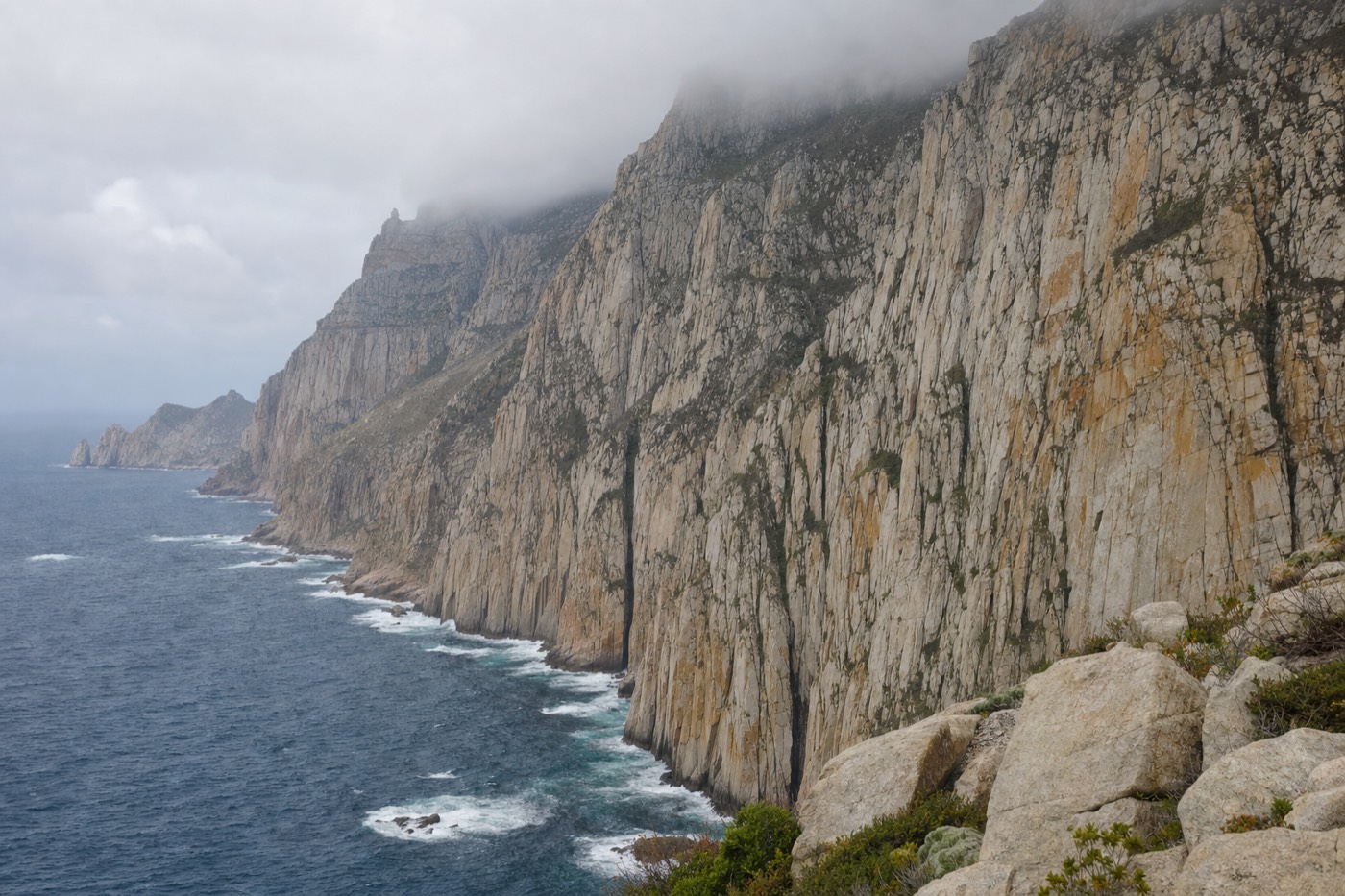
What is the single thing Lofoten is best known for?
The landscape itself: a chain of sheer granite peaks rising directly out of the Norwegian Sea with almost no foothills in between, which produces a coastline unlike almost anywhere else in Europe and is the reason Reine's view from Reinebringen circulates so widely as Norway's signature image. Everything else Lofoten is known for, the lights, the fishing, the villages, sits inside that same dramatic setting.
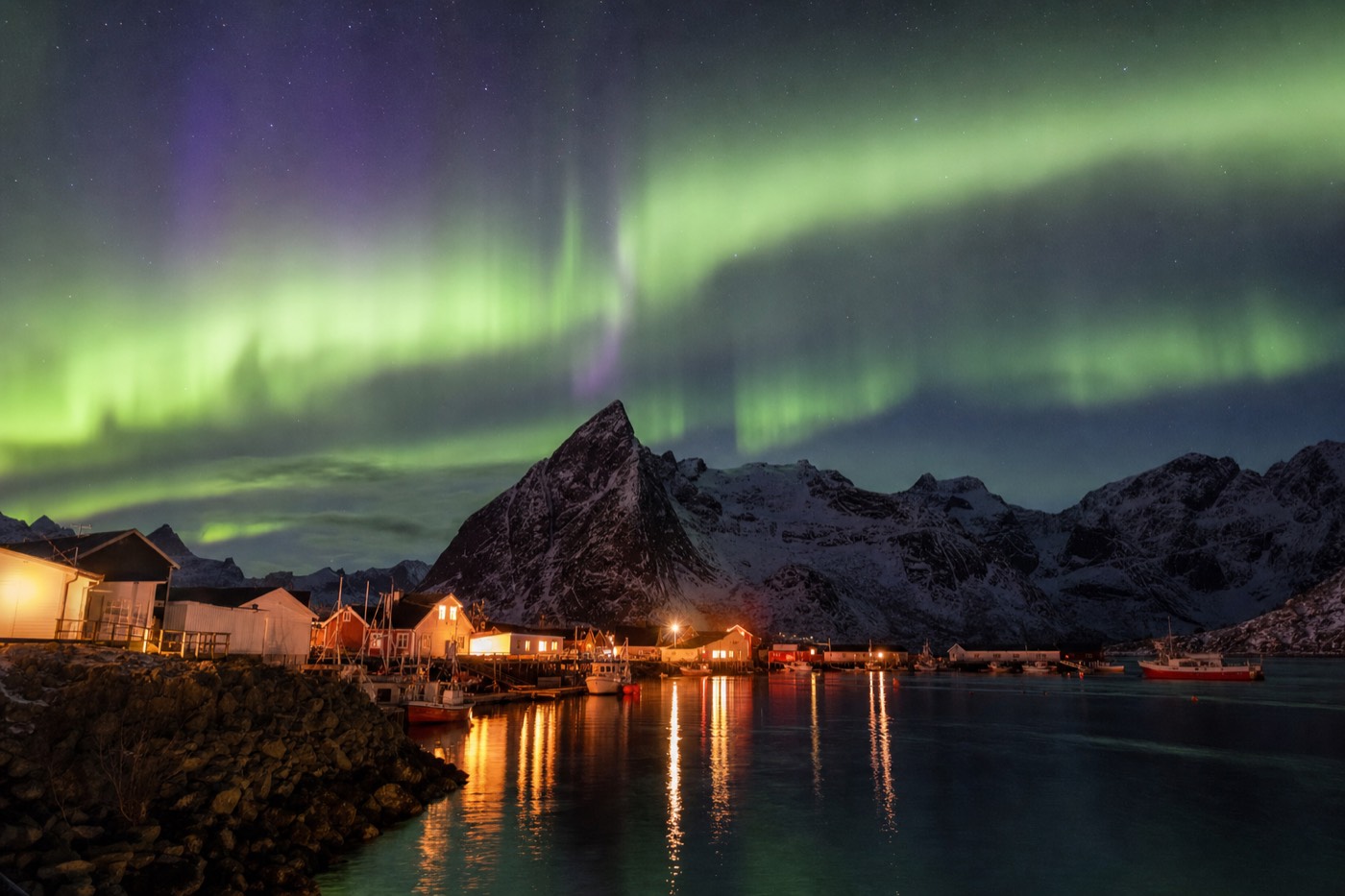
Is it really about the northern lights?
For a large share of winter visitors, yes: Lofoten's position at roughly 68 degrees North puts it inside the auroral oval, and the archipelago's combination of dark, low-light-pollution coastline with dramatic mountain silhouettes makes it a favoured backdrop for aurora photography specifically, not just aurora viewing. The full detail on timing and viewing spots sits in the dedicated northern lights guide, and three real guided hunts, including a private VIP option, are bookable through this site's aurora tours.
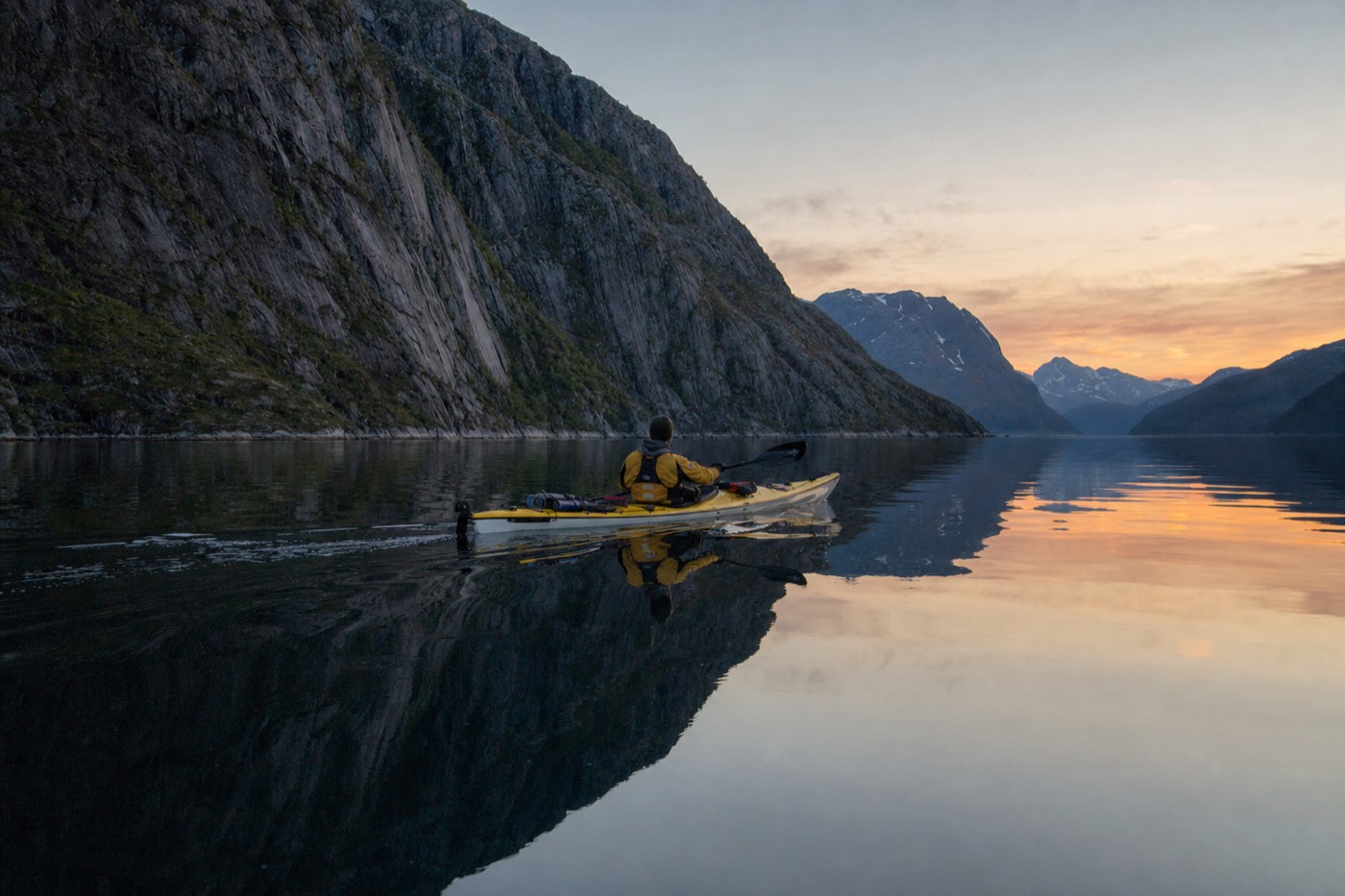
What about the midnight sun?
Equally famous in its own right: from late May to mid-July the sun does not set at all, turning the same peaks that anchor the winter aurora photos into a landscape bathed in round-the-clock golden light, which is when most of the kayaking and hiking tourism happens. Paddling at midnight in full daylight is one of the more disorienting, memorable things a first-time visitor experiences here.
Is the fishing tradition actually still real, or just marketing?
Genuinely still real: Lofoten has run a seasonal cod fishery, the Lofotfisket, for close to a thousand years, and the wooden A-frame racks used to air-dry stockfish along the shoreline are still in active, working use today, not a museum display. Traditional fishing trips on this site put visitors directly into that history, learning the same hand-line and filleting techniques used for generations, aboard boats that still fish these waters commercially.
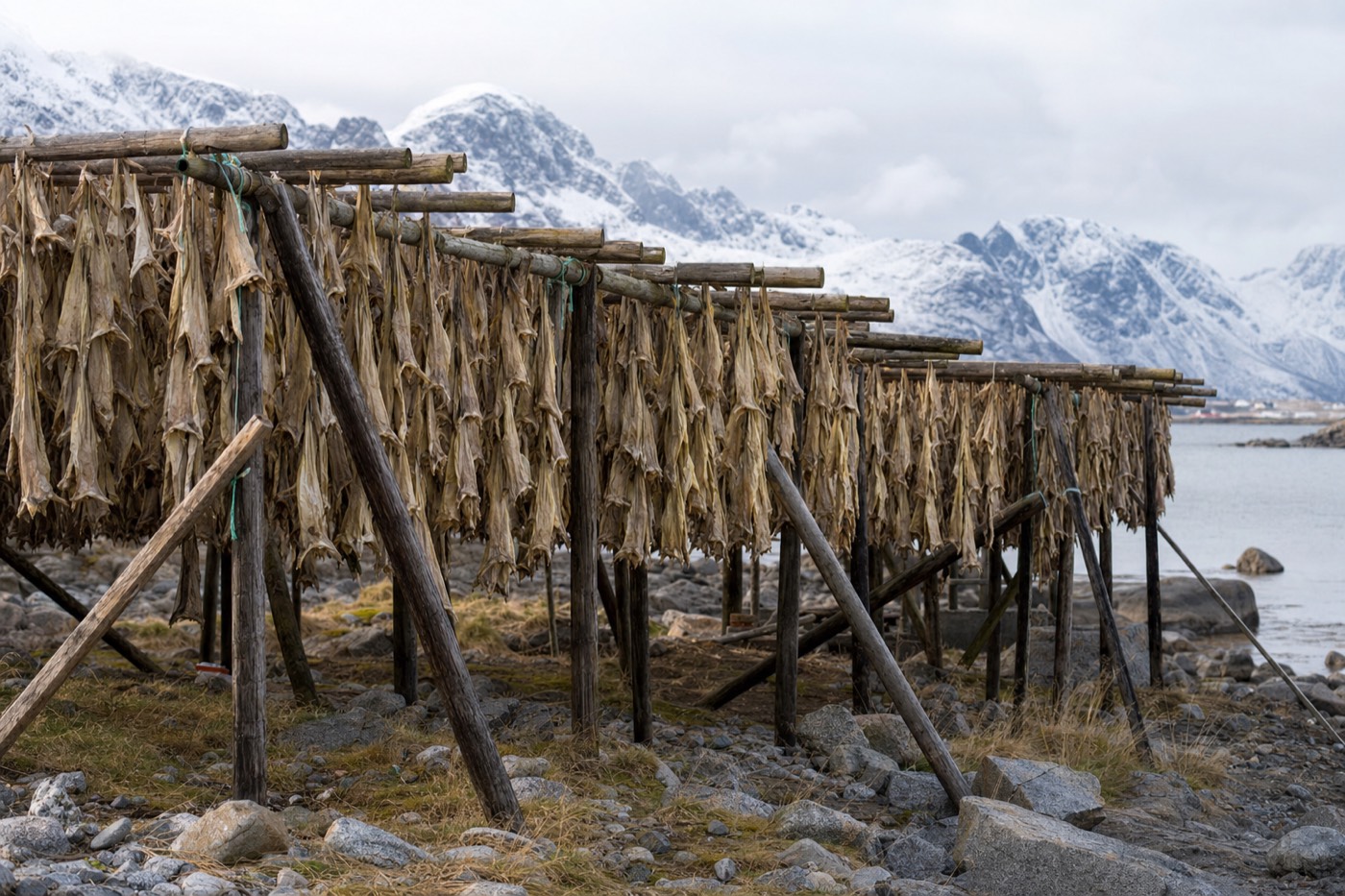
What are the red cabins everywhere?
Rorbuer: traditional wooden fishermen's cabins built on stilts directly over the water, originally seasonal housing for fishing crews and now Lofoten's most recognisable style of visitor accommodation, still concentrated most densely around Reine and the southern villages. Their red colour is not decorative flourish; it is the traditional Norwegian building paint, cheap and durable, that happens to photograph beautifully against the grey rock and blue-green water.
What is Lofoten famous for, activity by activity?
| What it's known for | Where to experience it |
|---|---|
| The peaks-from-the-sea landscape | Reinebringen hike, and the full hiking guide |
| Northern lights | Aurora and northern lights tours |
| Midnight sun | Kayaking tours in June and July |
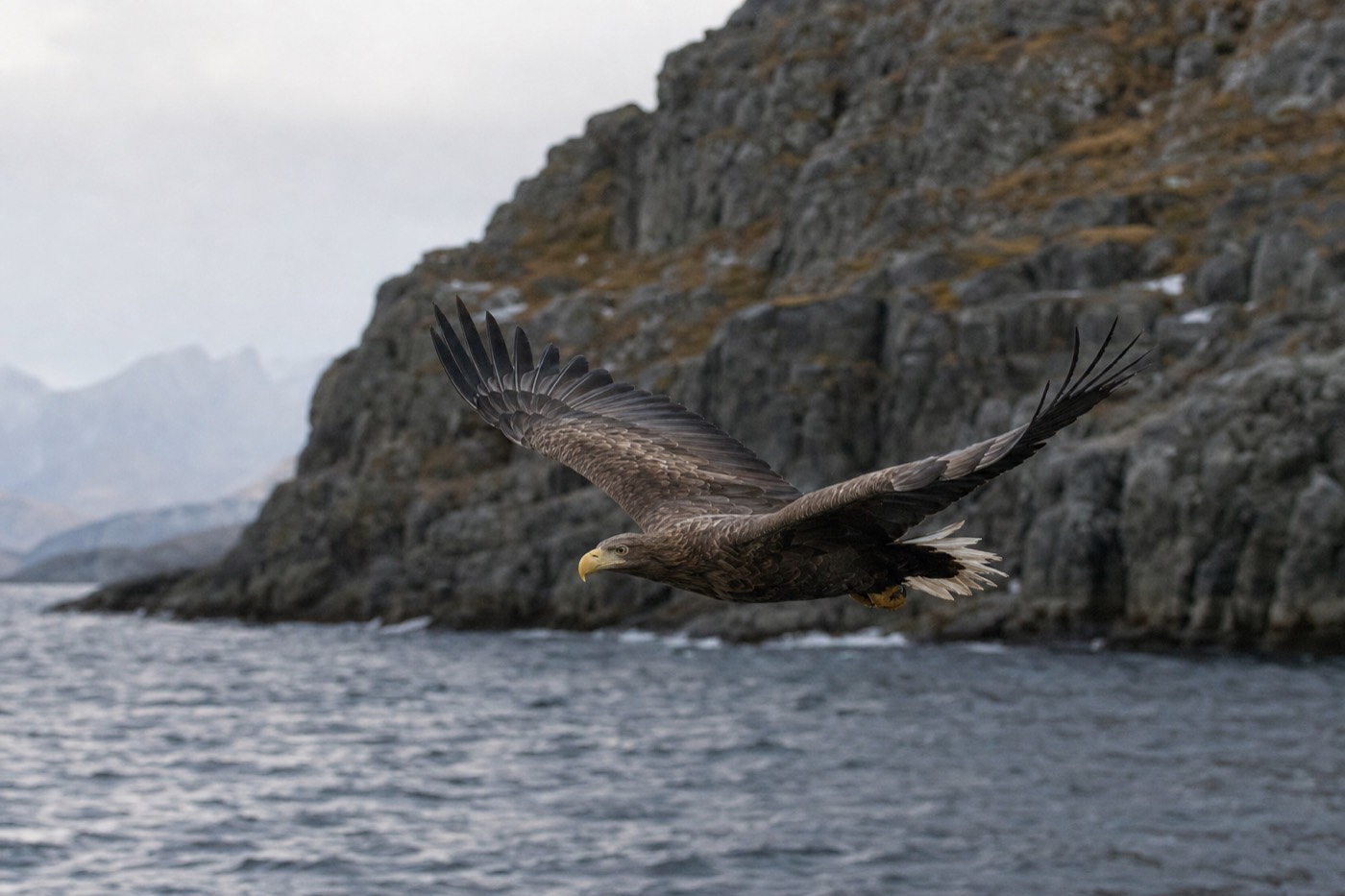
| Trollfjord and its sea eagles | Best-selling Lofoten Islands tours |
| Traditional cod fishing (Lofotfisket) | Fishing and horseback riding tours |
| White-sand beaches | The beaches guide |
| Cold, clear Arctic waters | Snorkeling and scuba diving tours |
How do these fit together on a real trip?
Almost every one of Lofoten's famous features sits within a short drive of the E10, which is exactly why the itinerary planning question comes up so often; most visitors end up combining several of these in a single trip rather than picking just one. The itinerary guide lays out how to actually sequence them across 3, 5 or 7 days.