Northern Lights in Lofoten: Best Time and Where to See Them
The short answer: late September through late March, with February and March giving you the best mix of long dark hours, stable snow cover and a reasonable shot at clear sky. Here is how to read the odds and where to actually stand.
Booking choice: Travel with a guide looking for a clearer patch of sky, with hot drinks during the wait. Discover Svolvær aurora chase
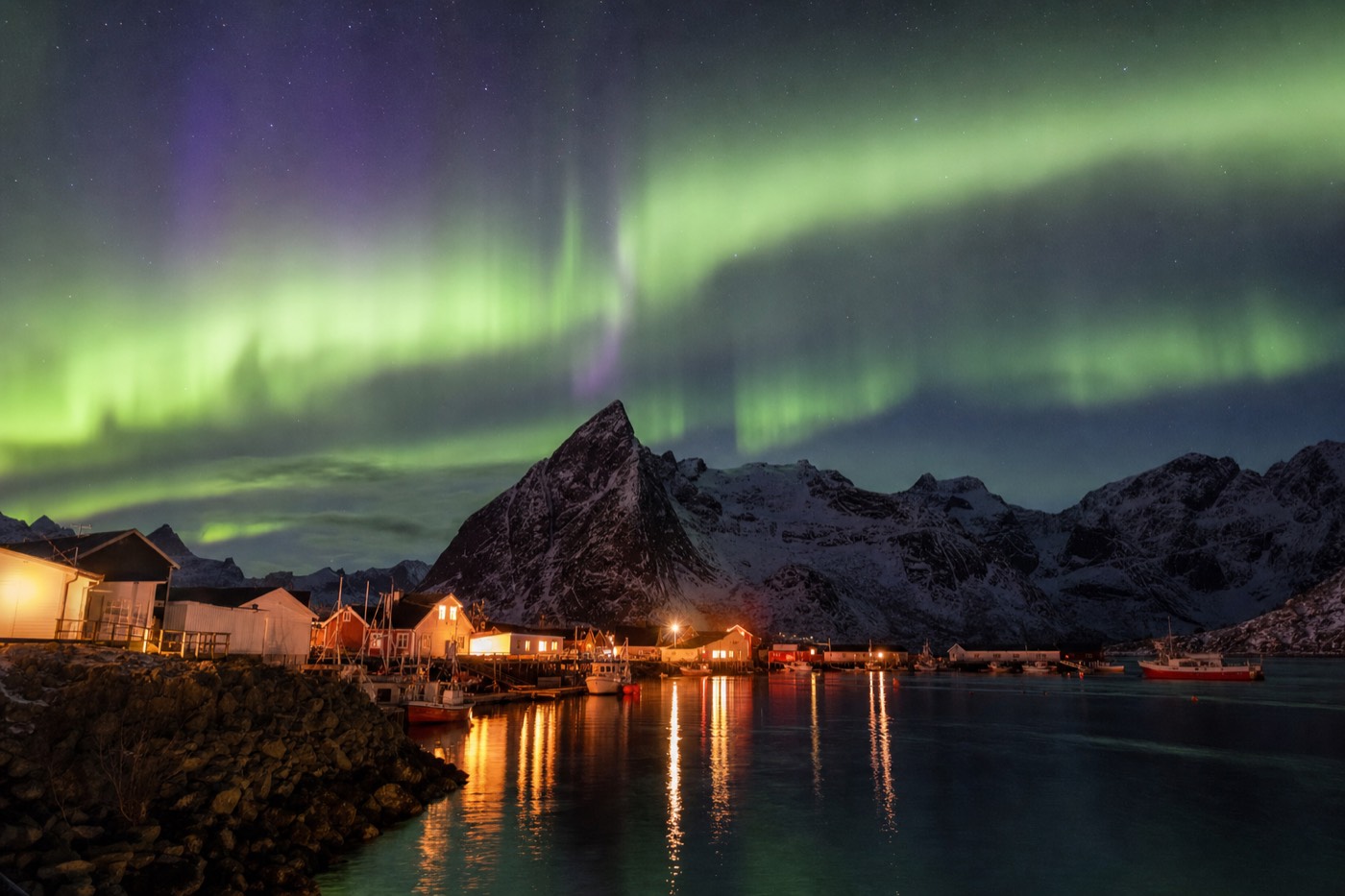
Lofoten sits at roughly 68 degrees North, well inside the auroral oval, which is why the islands show up on every serious northern lights shortlist alongside Tromsø and Abisko. The catch is the same one every aurora destination shares: the lights are already there most clear nights between September and April, but you cannot see them unless the sky cooperates and the sun is dark enough to let them through.
Aurora season at a glance
Framed as a planning window, not a guarantee. Even in the strongest months, cloud cover on any given night is the deciding factor.
For a guided option: Discover Svolvær aurora chase
When does aurora season actually run in Lofoten?
Aurora season in Lofoten runs from late August or early September through mid-April, with the strongest and most reliable window falling between late September and the end of March. Outside that window the problem is not the aurora itself but daylight: from roughly mid-May to the end of July the midnight sun keeps the sky bright around the clock, so even a strong solar storm is invisible.
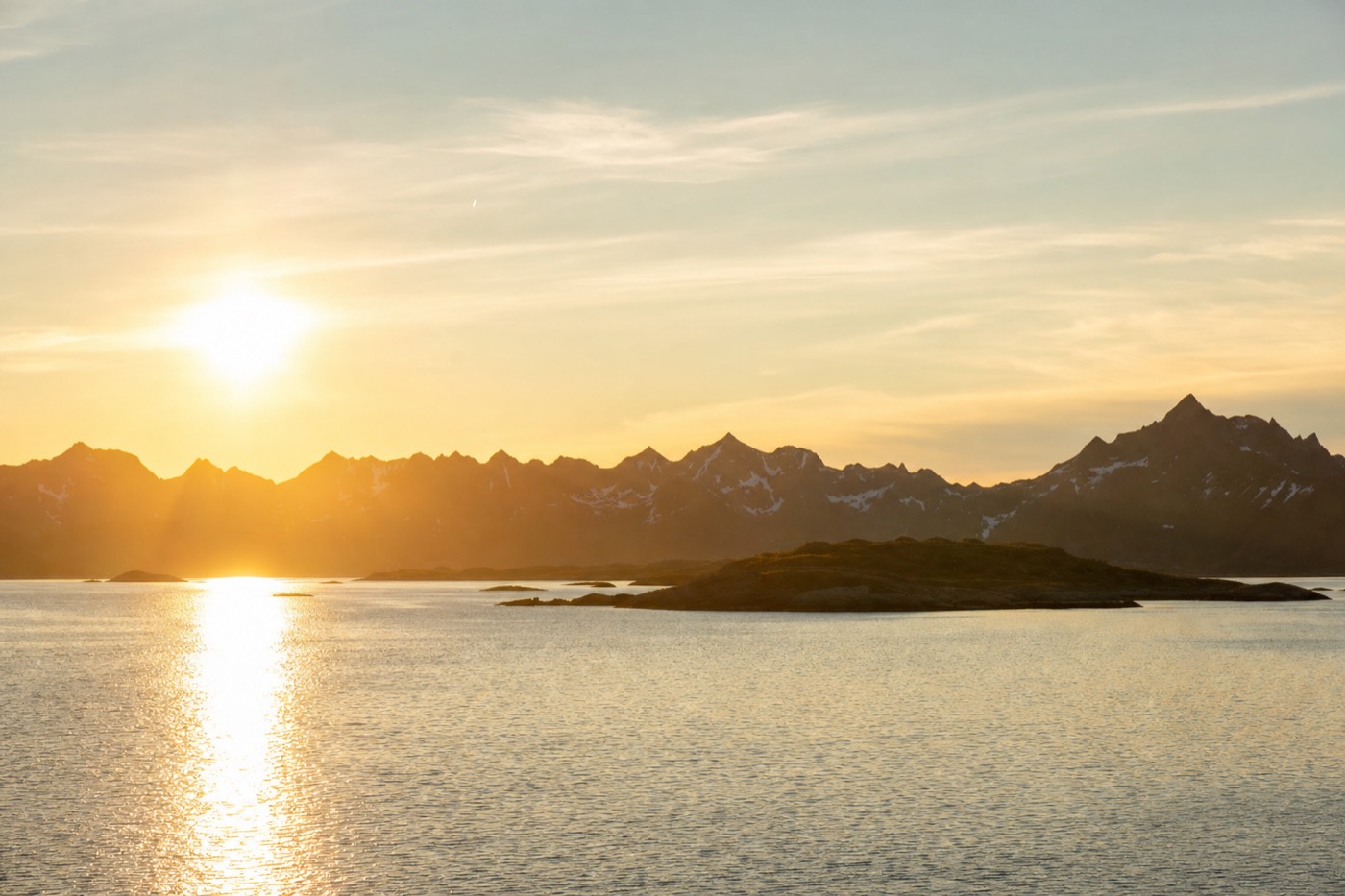
Within the season, activity is genuinely possible on eight months of the year, but not evenly. The shoulder months of September, October, March and April tend to combine reasonably dark, reasonably clear nights with milder temperatures than deep winter, which is why many repeat visitors deliberately avoid the darkest months and aim for the edges of the season instead.
Which month gives you the best real odds?
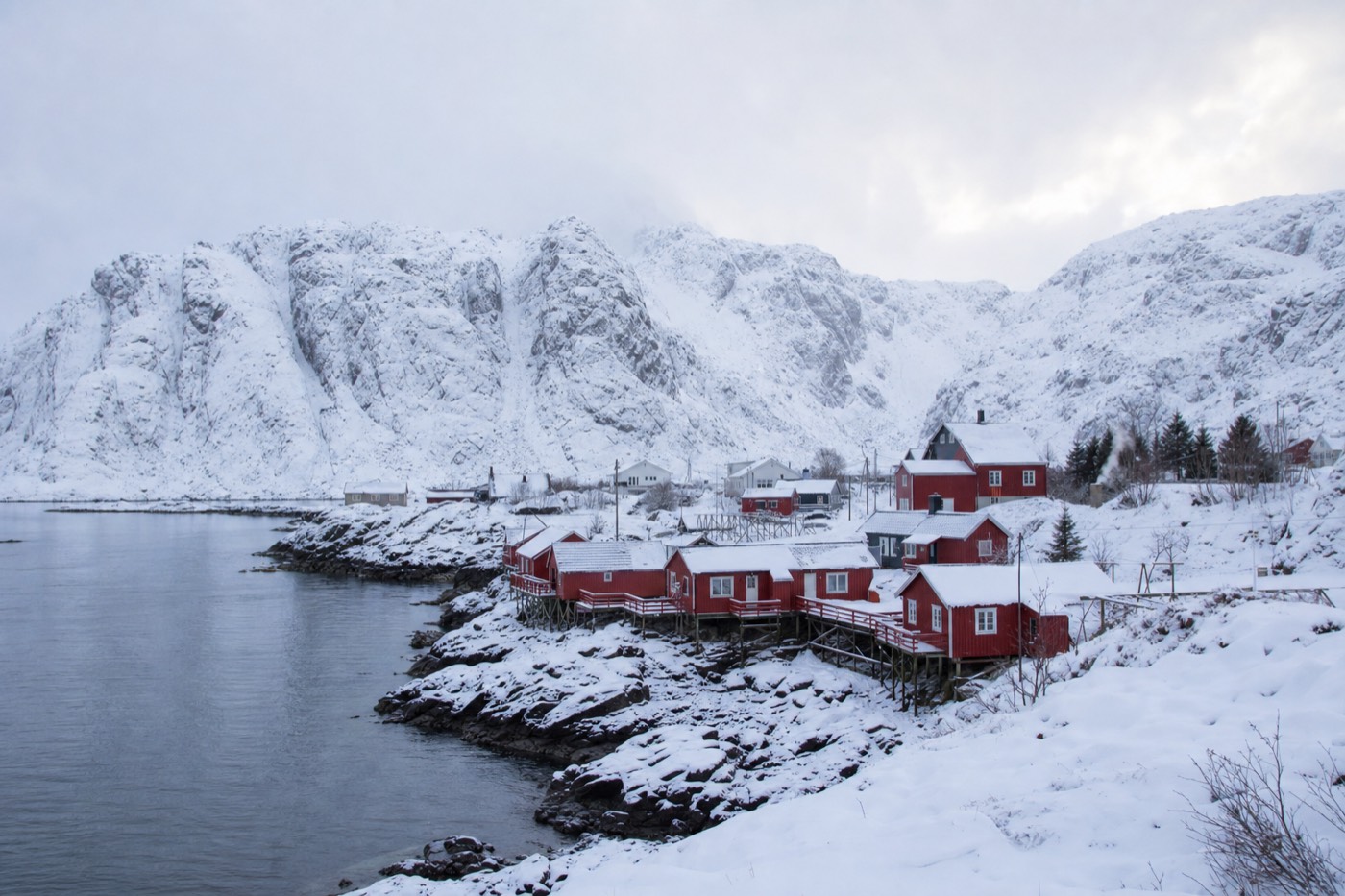
February and March are usually the strongest single months, because the snow has stabilised, the days are getting visibly longer without losing real darkness yet, and road conditions are typically more predictable than in the depths of December. September and October are the next best call: the nights are just dark enough, temperatures are milder, and the archipelago is far quieter than during winter half-term weeks.
| Month | Darkness | Typical conditions | Who it suits |
|---|---|---|---|
| September | Returning fast, roughly 14 hours by late Sept | Milder, some rain, fewer crowds | First-timers who also want to hike |
| October | Long, full dark by early evening | Cooling fast, more wind | Photographers wanting contrast with autumn colour |
| November | Long | Wetter, changeable | Budget travellers, quieter roads |
| December | Longest, polar night near the solstice | Cold, short usable daylight | Those chasing maximum darkness |
| January | Very long | Cold, often snowy, roads can be slow | Snow-sport travellers combining both |
| February | Long, days lengthening | Stable snowpack, clearer spells common | Most repeat visitors' pick |
| March | Still long enough, more daylight to explore by | Snow still solid, milder than Jan | Best overall balance |
| April | Shrinking fast toward month end | Milder, some snow lingers up high | Late-season, budget window |
None of this is a promise. A clear, dark night with zero solar activity shows nothing, and a cloudy night with a strong solar storm also shows nothing. The month only sets your odds of getting the two conditions that are predictable: darkness and a plausible weather pattern. The other two, solar activity and the actual sky on your specific night, are decided a few hours out at best.
Do you need to leave Svolvær or Reine to see anything?
Yes, at least a short drive: the harbour lights in Svolvær and the guesthouse lights in Reine are bright enough to wash out a faint aurora, so both self-guided and guided hunts head for beaches, pull-offs and headlands a short drive from town where the sky is genuinely dark. This is exactly why the guided hunts on this site all describe heading to "secret lookout points" or a specific dark, north-facing beach rather than staying in the town centre.
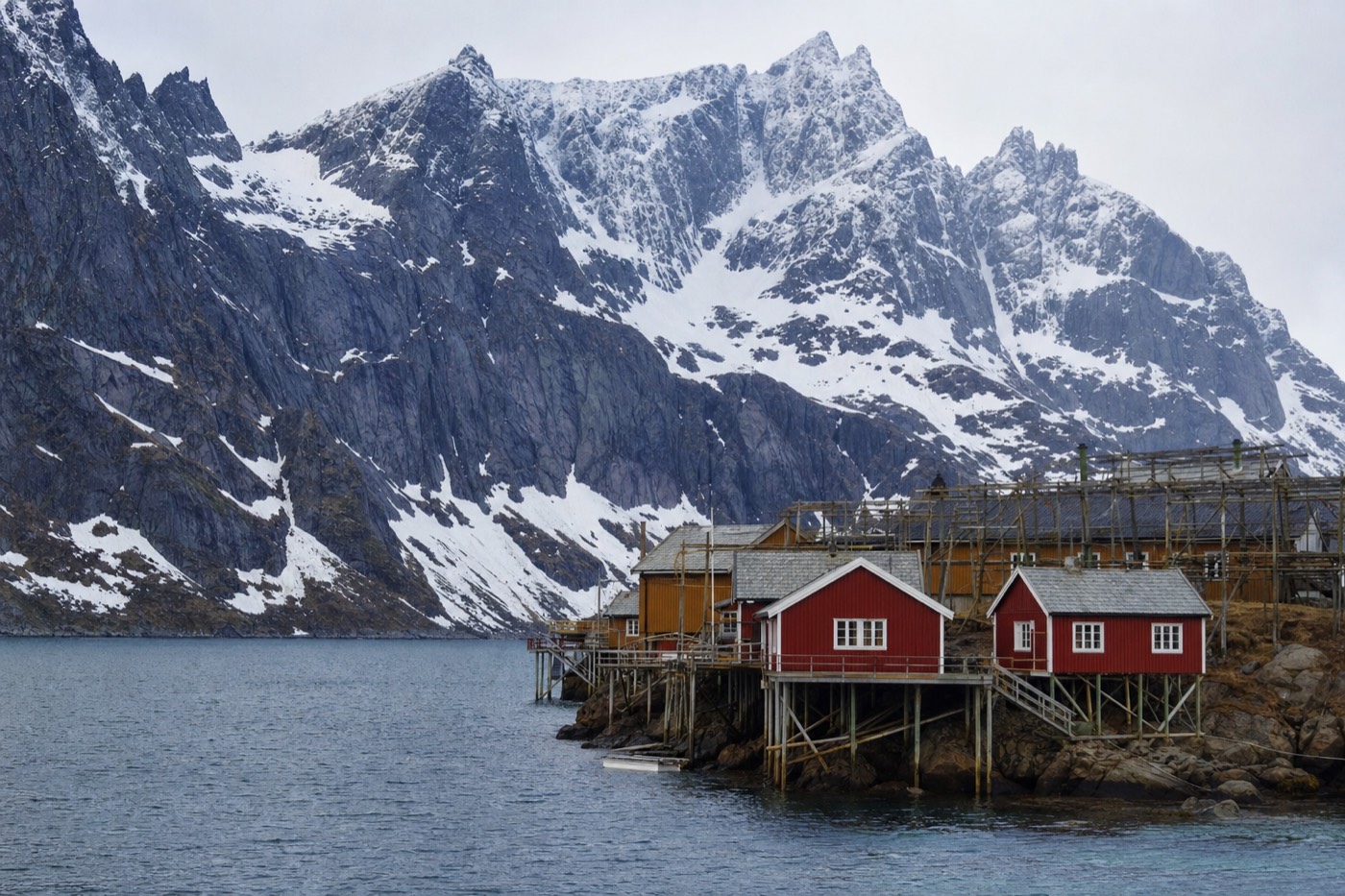
You do not need a wilderness expedition. A ten to twenty-five minute drive out of any Lofoten town usually gets you past the worst of the light pollution, because the archipelago has no large cities and even Svolvær, the biggest town, is genuinely small.
What actually has to line up for a sighting?
Four things have to align: solar activity strong enough to push the aurora south to Lofoten's latitude, real darkness (so outside the midnight-sun months), a clear or at least broken sky, and a spot away from artificial light. Miss any one of the four and you see nothing, no matter how good the other three look.
Solar Cycle 25 has been running at a genuinely active phase through the mid-2020s, which is one reason aurora sightings at Lofoten's latitude have been reported unusually far south and unusually often in recent winters. That said, solar activity is inherently unpredictable beyond a few days out, which is the entire reason guided operators build flexibility into their hunts rather than fixing a single viewpoint in advance.
Guided hunt or do it yourself: which actually works better?
A guided hunt trades a few hundred kroner for local weather knowledge, a driver who is not also trying to watch the sky, and a photographer who can operate a camera in the dark, which meaningfully raises your odds on any single night; doing it yourself costs nothing extra but means you are your own weather forecaster. Neither option changes the two things nobody controls: whether the sun cooperates, and whether the cloud breaks.
| Guided hunt | Self-drive | |
|---|---|---|
| Local micro-weather reading | Guide checks multiple forecast sources and moves the group to the clearest pocket of sky | You are reading the same public forecast as everyone else, in real time, while driving |
| Photography | Often includes a guide operating a camera for you, and photos sent afterward | You are setting your own exposure in the dark, possibly for the first time |
| Driving in the dark | Someone else drives the unlit coastal roads | You drive unfamiliar roads at night, possibly on ice |
| Cost for two | Roughly $220 to $310 for two on a small-group hunt, more for a private VIP hunt | Fuel and a rental car you may already have |
| Flexibility | Fixed pickup time and duration | You can wait out clouds or leave whenever you want |
How the three guided hunts from this site compare
All three are real, currently bookable listings, not house tours. The differences are group size, price and how much of the night is dedicated to you personally.
| Tour | Format | Duration | Rating | From |
|---|---|---|---|---|
| Aurora Capture Experience | Small group, professional photographer guide, free digital photos next day | 4 hours | ★ 4.8 | $154 |
| Svolvær Ultimate Aurora Hunt | Small group chase with an experienced local guide | 4 hours | ★ 4.6 | $170 |
| Private VIP Northern Lights Hunt | Private group only, dark north-facing beach, hot drinks and snacks included | 3 hours | ★ 5.0 | $425 |
The private hunt costs roughly three times the small-group options because you are not sharing a vehicle or a viewpoint decision with strangers, which matters if you specifically want to control timing, for example around a young child's bedtime or a short stopover night.
What should you actually wear and bring?
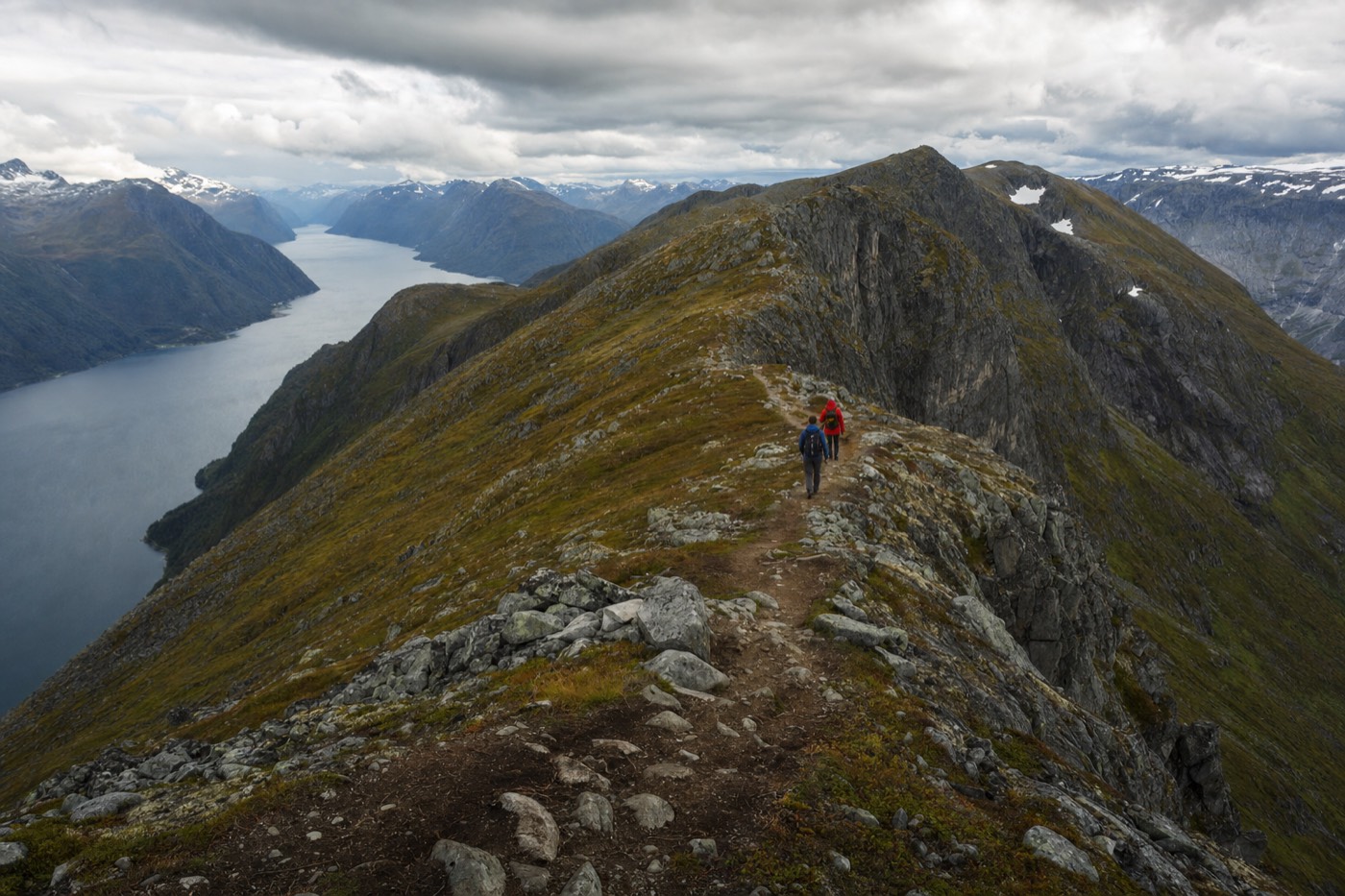
Layer for standing still in the cold for an hour or more, not for walking: a windproof, waterproof outer shell over a proper mid-layer and thermal base beats a single heavy coat every time, because aurora watching means long stretches of standing at a dark, exposed viewpoint.
| Item | Why it matters |
|---|---|
| Insulated, waterproof boots | You will likely be standing on snow or wet ground for 30 to 90 minutes at a time |
| Windproof outer shell | Coastal wind chill drops the felt temperature well below the forecast number |
| Thermal base layer + mid layer | Layers you can adjust beat one heavy coat once you are moving between the van and the viewpoint |
| Warm hat and gloves (thin liner + thick outer) | Thin liners let you still operate a phone or camera without exposing bare skin |
| A charged phone or camera, spare battery | Cold drains batteries fast; a spare or a power bank kept in an inside pocket stays warmer |
| A tripod, if bringing your own camera | Long exposures need a stable base; a guided hunt's own tripod support varies by tour, check the listing |
Where are the best viewing spots?
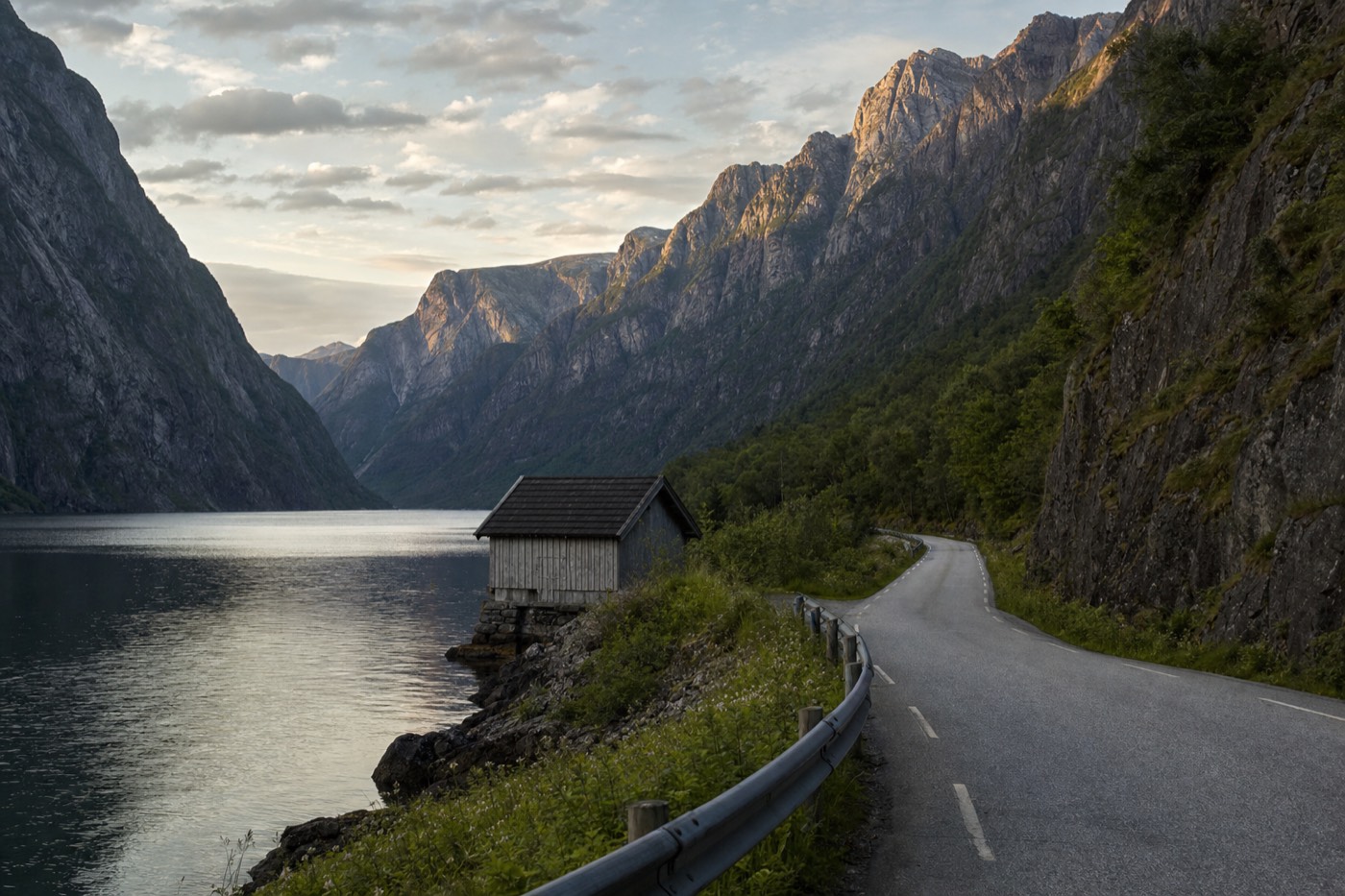
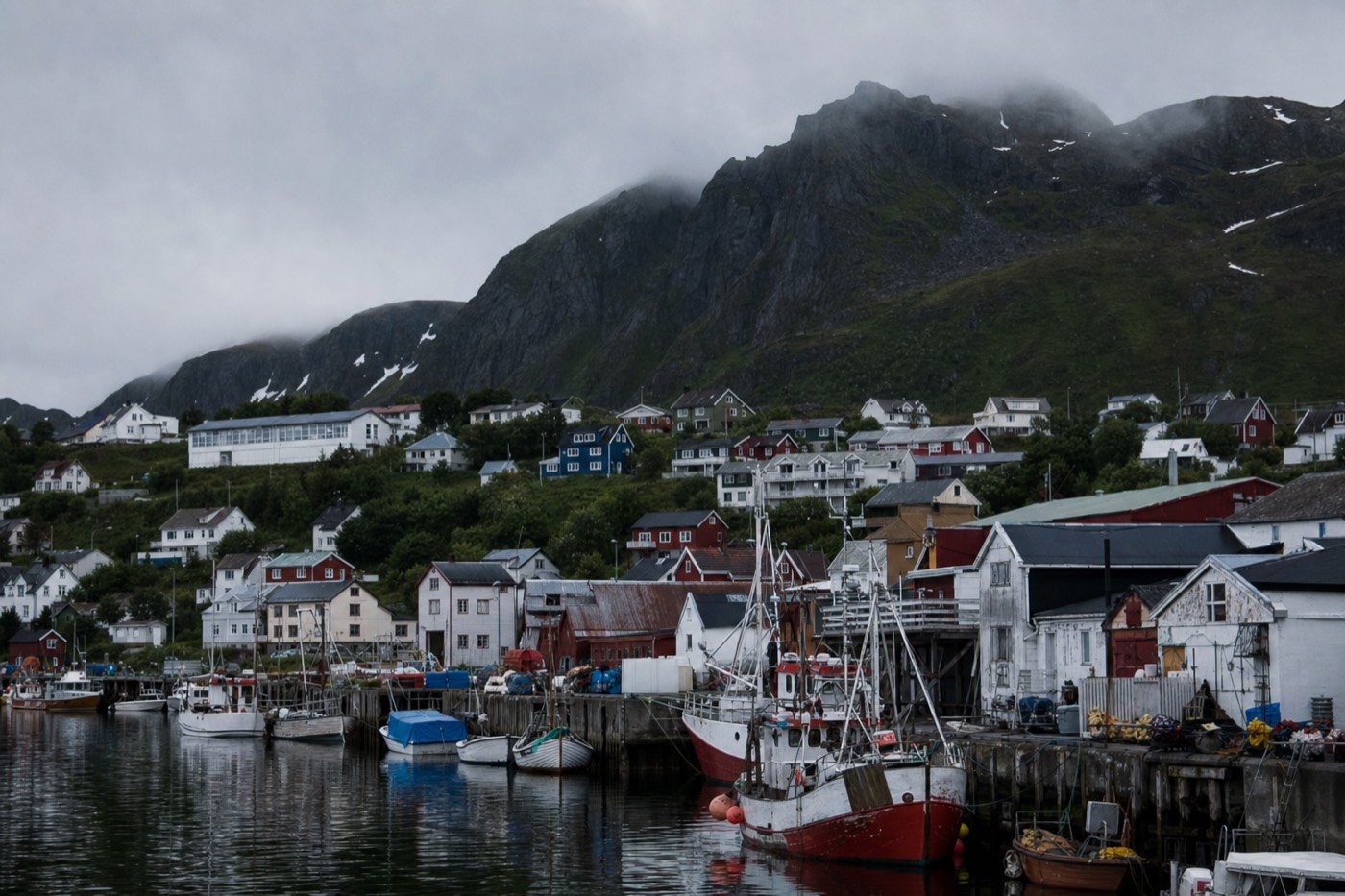
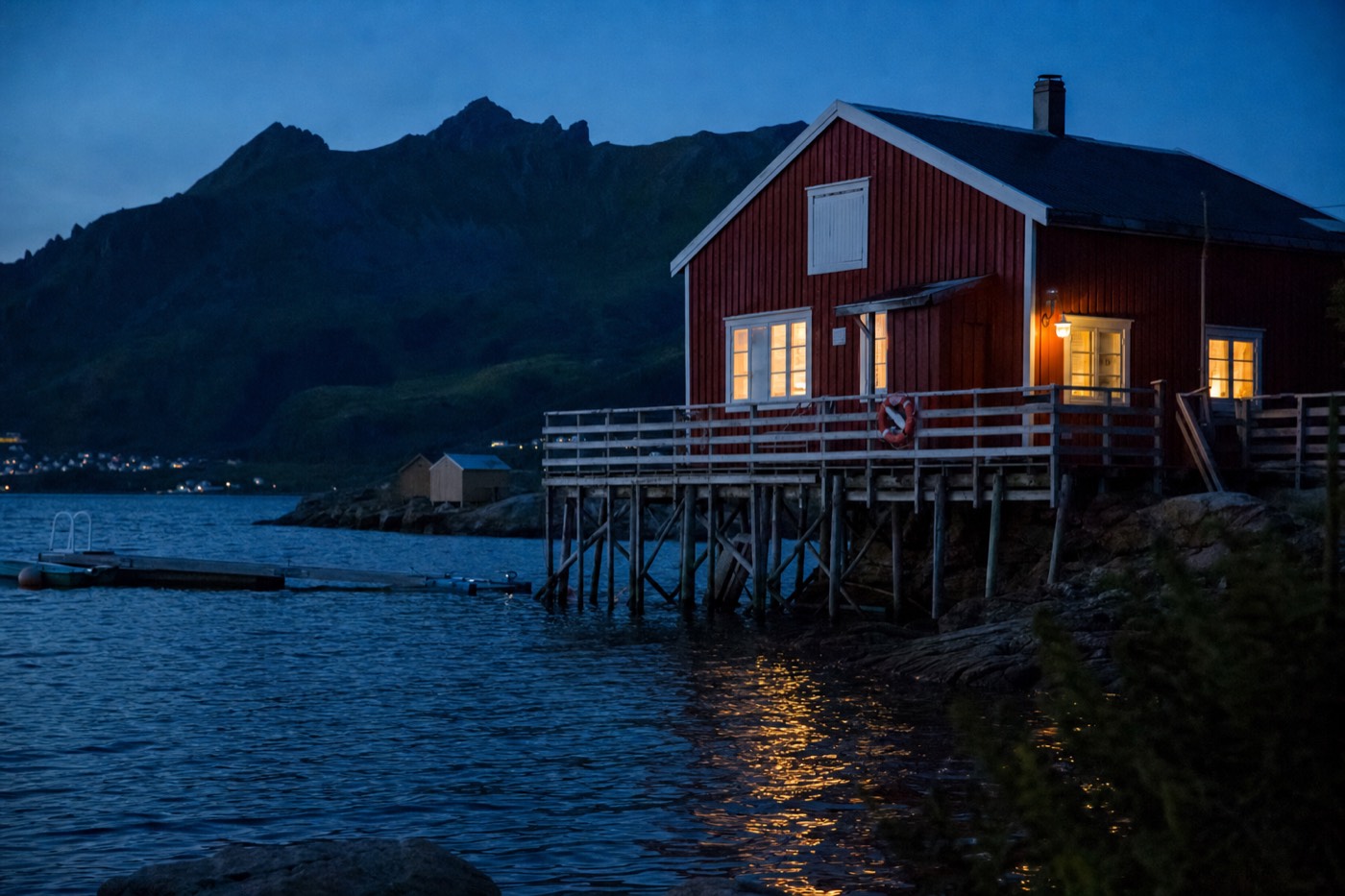
Look for a north-facing coastline with no town behind you: beaches and headlands around Eggum, Uttakleiv, Utakleiv and the darker stretches of coast near Svolvær and Reine are the recurring picks among operators and repeat visitors, because they combine open sea horizon with minimal light pollution.
| Spot | Why it works | Best paired with |
|---|---|---|
| A dark beach near Svolvær (guided hunts choose the night's best spot) | Open north-facing horizon, guide-scouted for cloud gaps | Svolvær Ultimate Aurora Hunt or Aurora Capture Experience |
| Eggum, west coast | Genuinely remote, minimal light pollution, open Atlantic horizon | Combine with the daytime kayak tour that also launches from Eggum |
| Uttakleiv and Haukland beaches | Wide open sky, popular but still dark once the car park empties | A daytime beach walk (see the beaches guide) followed by an evening hunt |
| A private, guide-chosen north-facing beach | Zero light pollution by design, picked fresh each night | Private VIP Northern Lights Hunt |
Starter camera settings, if you are bringing your own gear
These are starting points to adjust from, not fixed settings; conditions change fast and the display's brightness varies minute to minute.
| Setting | Starting point | Adjust if... |
|---|---|---|
| Mode | Manual | Your camera has a dedicated "night" or "star" mode, try that first |
| Aperture | As wide as your lens allows (low f-number) | Image looks soft at the edges, close it slightly |
| Shutter speed | 4 to 8 seconds | The aurora is moving fast, shorten to 2 to 4 seconds to keep detail |
| ISO | 1600 to 3200 | Image is too grainy, lower it and lengthen the shutter instead |
| Focus | Manual, set to infinity, tested on a distant light beforehand | Stars look soft, fine-tune manually; autofocus rarely works in the dark |
What ruins an otherwise good night?
| Mistake | Why it fails | Fix |
|---|---|---|
| Standing under town lighting | Even a faint display gets washed out by nearby streetlights | Drive or be driven at least 10 to 15 minutes from any town centre |
| Checking the forecast once, at home, days ahead | Cloud cover over the fjords changes fast and locally | Trust a guide's same-day read, or recheck a live forecast right before heading out |
| Giving up after 20 minutes of nothing | Displays often build slowly, then peak for a short window | Budget at least an hour at a dark spot before calling it |
| Only looking with the naked eye on a faint night | Camera sensors pick up colour the eye cannot yet see | Take a test photo every so often; green often shows in a photo before you can see it directly |
| No backup plan for cloud | A single fixed viewpoint can be clouded out while ten minutes away is clear | This is the core value a guided hunt sells: mobility to chase the clear patch |
Can you check the forecast yourself before committing to a hunt?
Yes: a KP-index aurora forecast, freely available from several public aurora-tracking services, gives a rough read on solar activity a few hours to a couple of days out, and pairing it with a local cloud-cover forecast is the same basic method a guide uses, just without the local road and weather knowledge that comes from doing it nightly. Neither tool is precise this far north this close to real time; treat any forecast as a reason to stay hopeful, not a guarantee, and keep watching the sky rather than only the app.
Because Solar Cycle 25 has been running at an active phase, several public aurora-tracking communities have reported stronger and more frequent displays at Lofoten's latitude through the mid-2020s than in the previous, quieter solar minimum years. That pattern will not run forever; solar cycles rise and fall over roughly eleven years, so treat any given year's conditions as the current phase of a long cycle rather than a permanent baseline.
For deeper detail on which months double as the best all-round time to visit, not just for the aurora, see the month-by-month guide to visiting Lofoten. If your dates land outside the aurora season entirely, Trollfjord's sea eagle colony and the Reinebringen hike are the daytime draws worth building a trip around instead.