Lofoten Beaches: Complete Guide
Lofoten's beaches look transplanted from the Caribbean until you touch the water. Haukland and Uttakleiv are the drive-up classics, Kvalvika demands a hike to reach, and Skagsanden draws surfers even in winter. Here is which beach fits which kind of visit.
Booking choice: Walk the old coastal road between two beaches, then visit Ballstad’s working harbour. Discover Uttakleiv–Haukland coastal walk
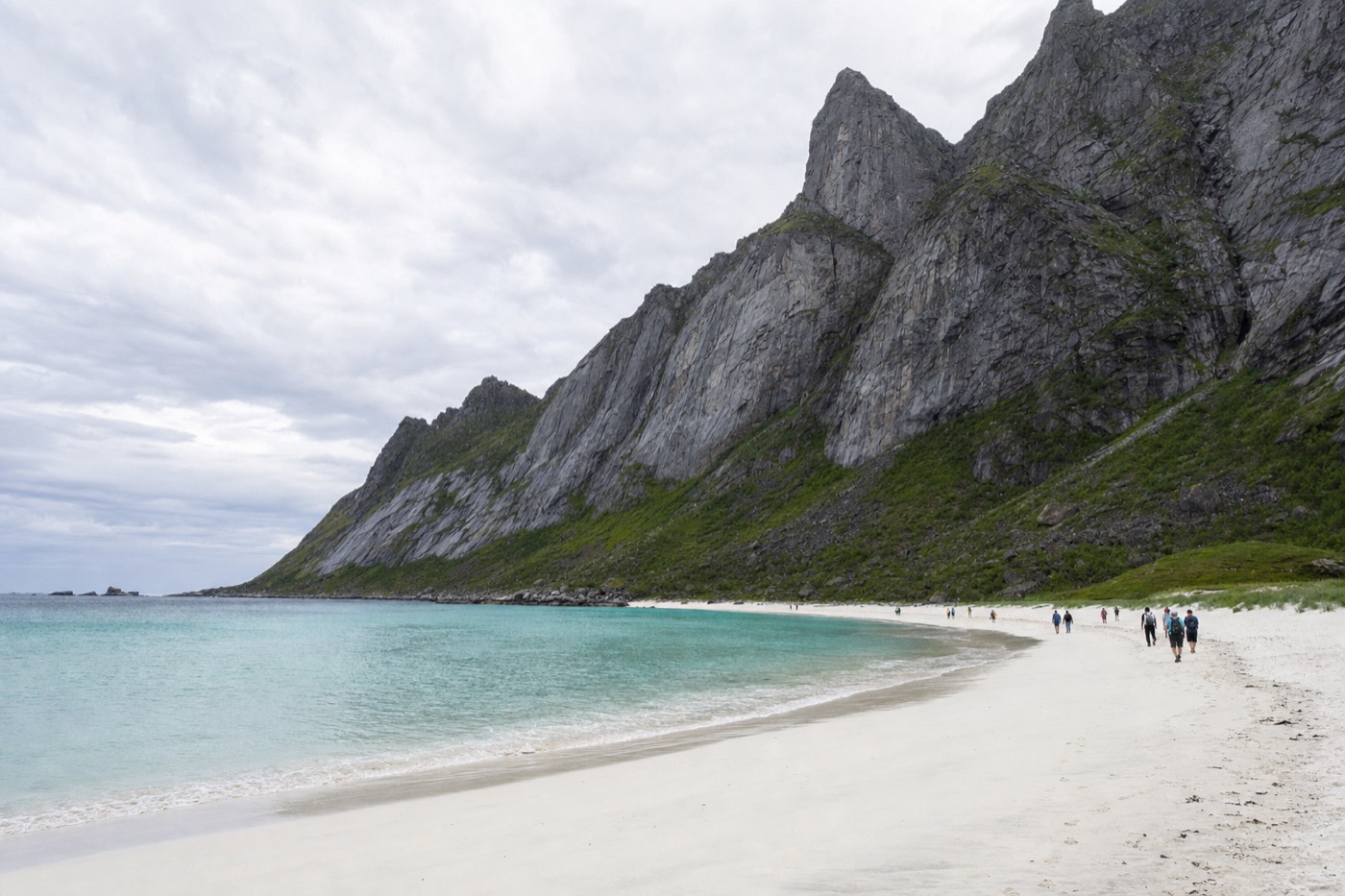
The colour is real, not a filtered photo: shallow water over pale sand at this latitude genuinely does turn turquoise in the right light. What the photos leave out is the water temperature, which sits in the North Atlantic range year-round, and the fact that several of the best beaches are working landscapes tucked between mountains rather than resort strips.
Lofoten's main beaches compared
Access difficulty and typical crowd levels are relative to each other, not absolute measures.
For a guided option: Discover Uttakleiv–Haukland coastal walk
Which beach should you actually go to first?
Haukland is the easiest, most reliable first stop: a wide, white-sand beach on the north side of Vestvågøy, roughly a ten-minute drive from Leknes, with parking, a small café and equipment rental on site, and it has been voted among Norway's best beaches by domestic visitors. If you only have time for one beach, this is the one that delivers the classic Lofoten photo with the least effort.
What makes Uttakleiv different from Haukland?
Uttakleiv, just around the headland from Haukland, trades some of the sand for large smooth boulders and a more dramatic, rockier shoreline, and it is widely considered the most photogenic single beach in the archipelago, especially at sunset when the light hits the rock formations. A coastal path connects the two beaches around the headland, so a visit to one easily becomes a short walk to both.
Which beach is worth the hike?
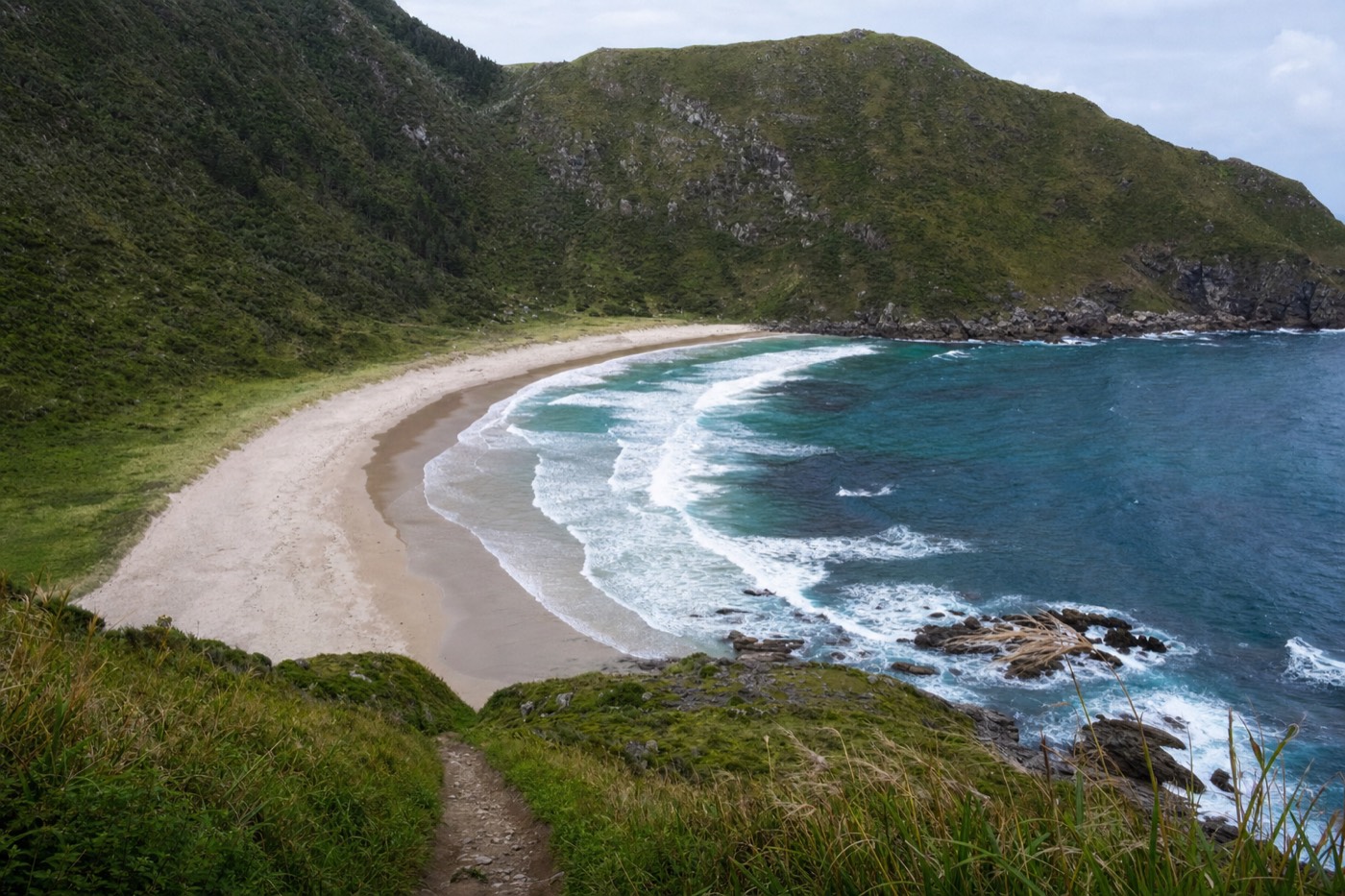
Kvalvika, reachable only on foot via a roughly 1.5-hour trail from Fredvang, rewards the walk with a genuinely undeveloped white-sand cove inside Lofotodden National Park, steep green mountains rising straight from the sand and none of the road access that brings crowds to Haukland or Uttakleiv. It is the pick for travellers who specifically want a beach without a car park attached, and the hike itself, through changing terrain with a real payoff at the end, is part of the appeal rather than an obstacle.
What about Skagsanden?
Skagsanden is Lofoten's best-known surf beach, wide and sandy with a dramatic mountain backdrop, and it draws surfers year-round, including through the winter when the northern lights sometimes show directly over the water. At low tide the wet sand mirrors the sky, which is the shot most photographers are chasing here specifically.
How cold is the water, honestly?
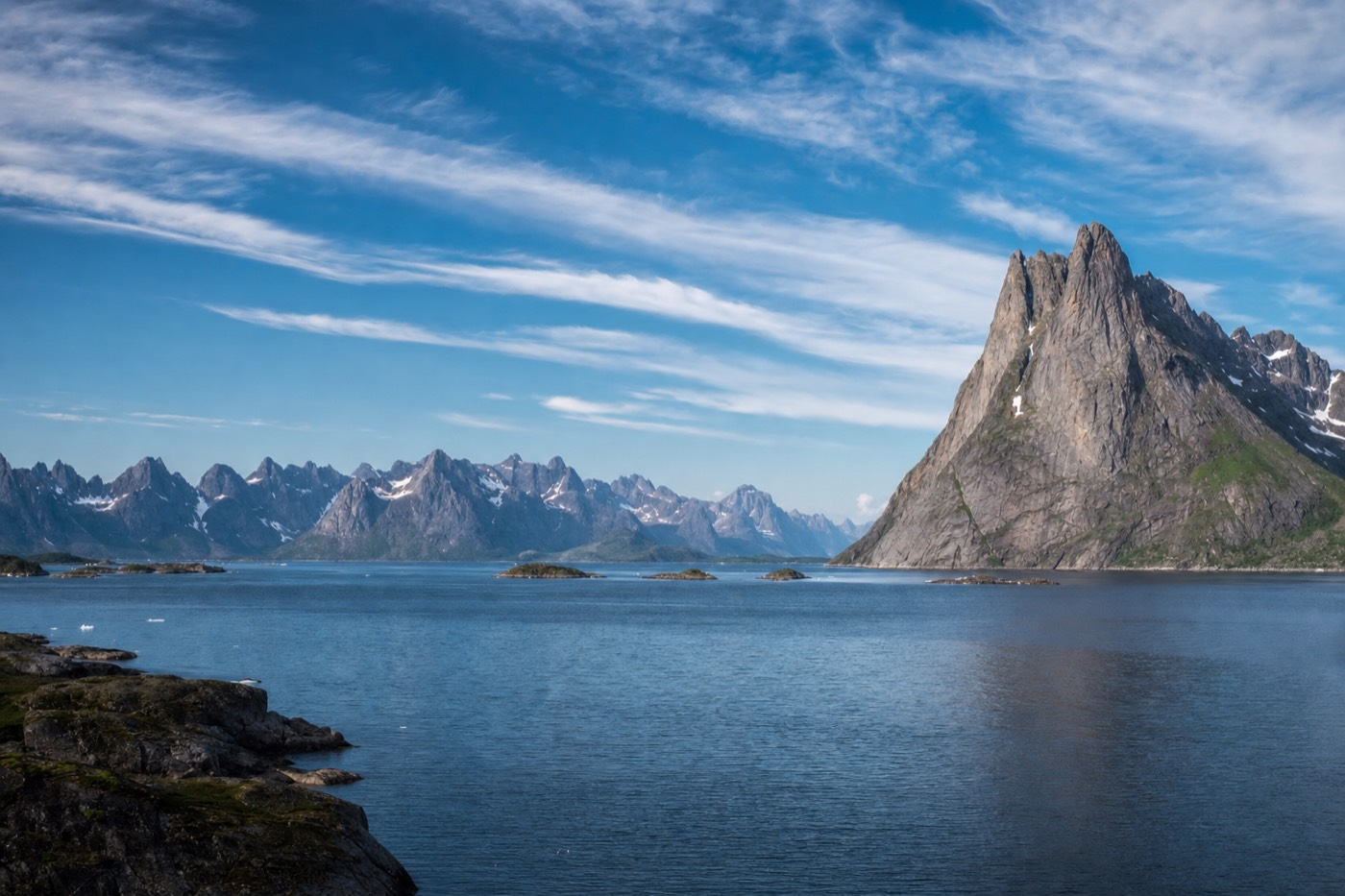
Cold enough that "swimming" here means a short, bracing dip rather than a lounge: Lofoten sits in the same general Arctic-influenced water temperature range as the rest of coastal Norway, meaningfully colder than it looks from the colour of the water. Locals and repeat visitors do genuinely swim, particularly in the warmer summer weeks, but a wetsuit is standard for anyone spending real time in the water rather than a quick photo dip.
How do the beaches actually compare?
| Beach | Access | Character | Best for |
|---|---|---|---|
| Haukland | Drive right up, parking on site | Wide white sand, café and rentals | First-timers, families, easiest access |
| Uttakleiv | Drive right up, short walk from Haukland | Sand and large boulders, dramatic rock formations | Sunset photography |
| Kvalvika | ~1.5-hour hike from Fredvang, no road access | Remote, undeveloped, inside a national park | Hikers wanting solitude |
| Skagsanden | Drive right up | Wide, sandy, dramatic mountain backdrop | Surfing, winter aurora-over-water shots |
Can you pair a beach visit with an activity, rather than just looking?
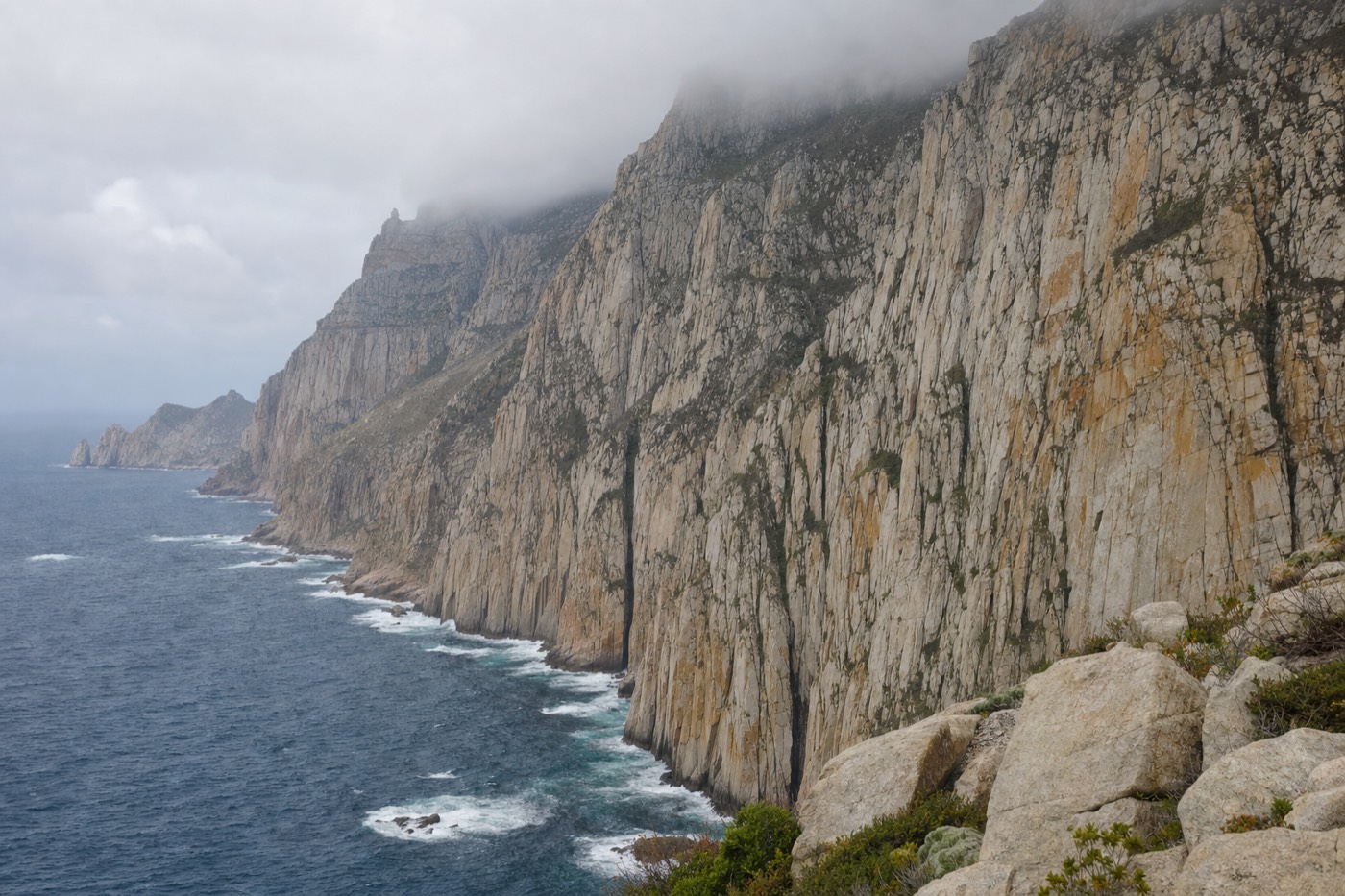
Yes, and it is the better use of a beach day in Lofoten: kayak tours launch from beaches like Eggum with routes past small islands, horseback rides cross the sand and coastline near Hov and Hovsund on Gimsøya, and RIB safaris depart from Svolvær for the dramatic coastline further north around Trollfjord. The guided horseback ride specifically crosses Arctic Hov beach on Gimsøya's coastline, passing traditional fish-drying racks and Viking-era remnants along the way, which turns a beach into a full guided outing rather than a stop on a drive.
Are there beaches near Svolvær itself, or do you have to drive south?
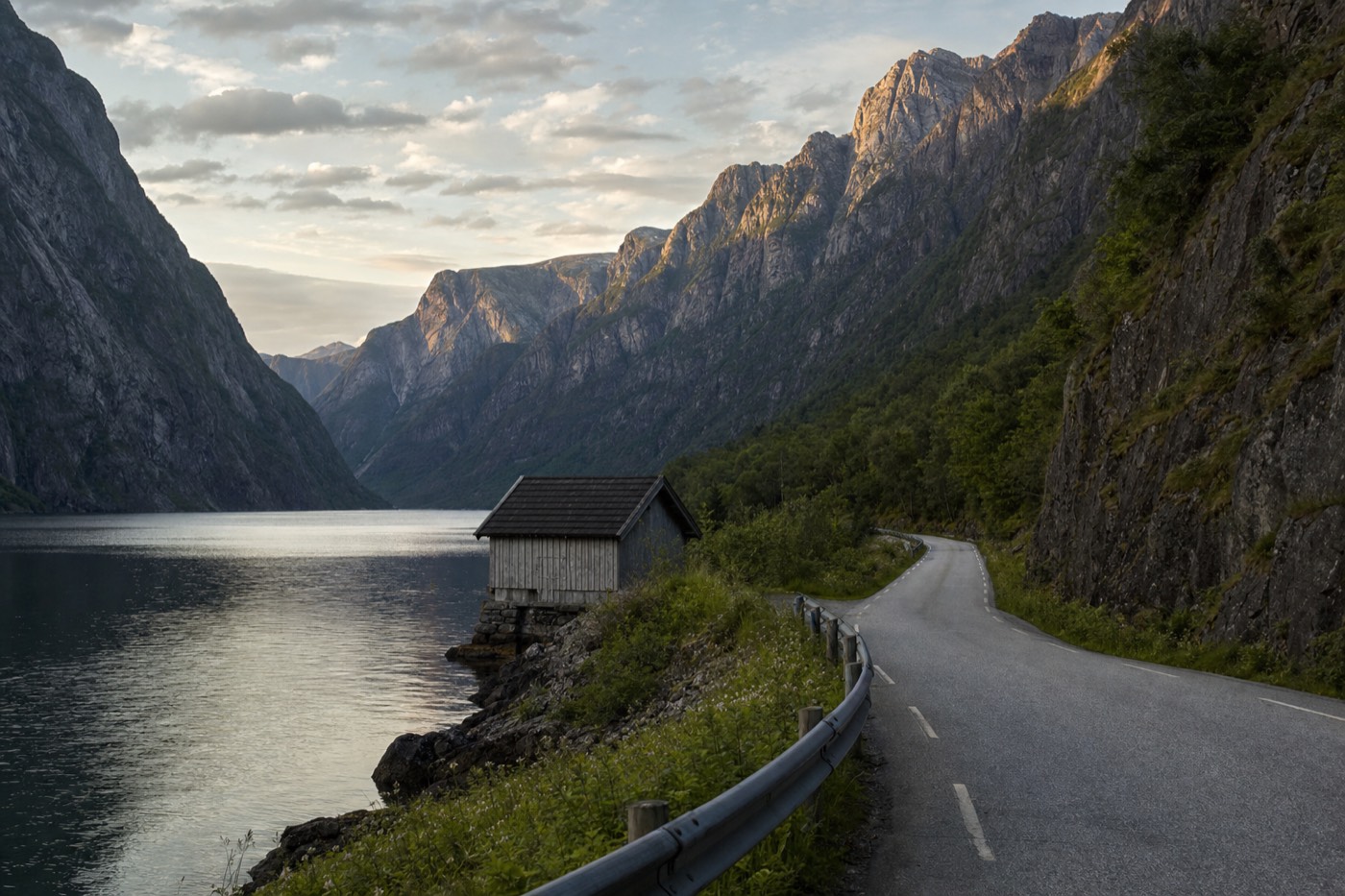
The most famous sand beaches, Haukland, Uttakleiv, Kvalvika and Skagsanden, all sit further south around Vestvågøy, roughly an hour or more from Svolvær; for a beach experience closer to Svolvær, the RIB sea eagle safari and Trollfjord cruises cover the dramatic northern coastline by boat instead of sand underfoot. Both the RIB sea eagle safari and the Trollfjord silent cruise depart directly from Svolvær's main square, so travellers based in the north can get the coastal drama without the drive south.
Best time of year for a beach visit
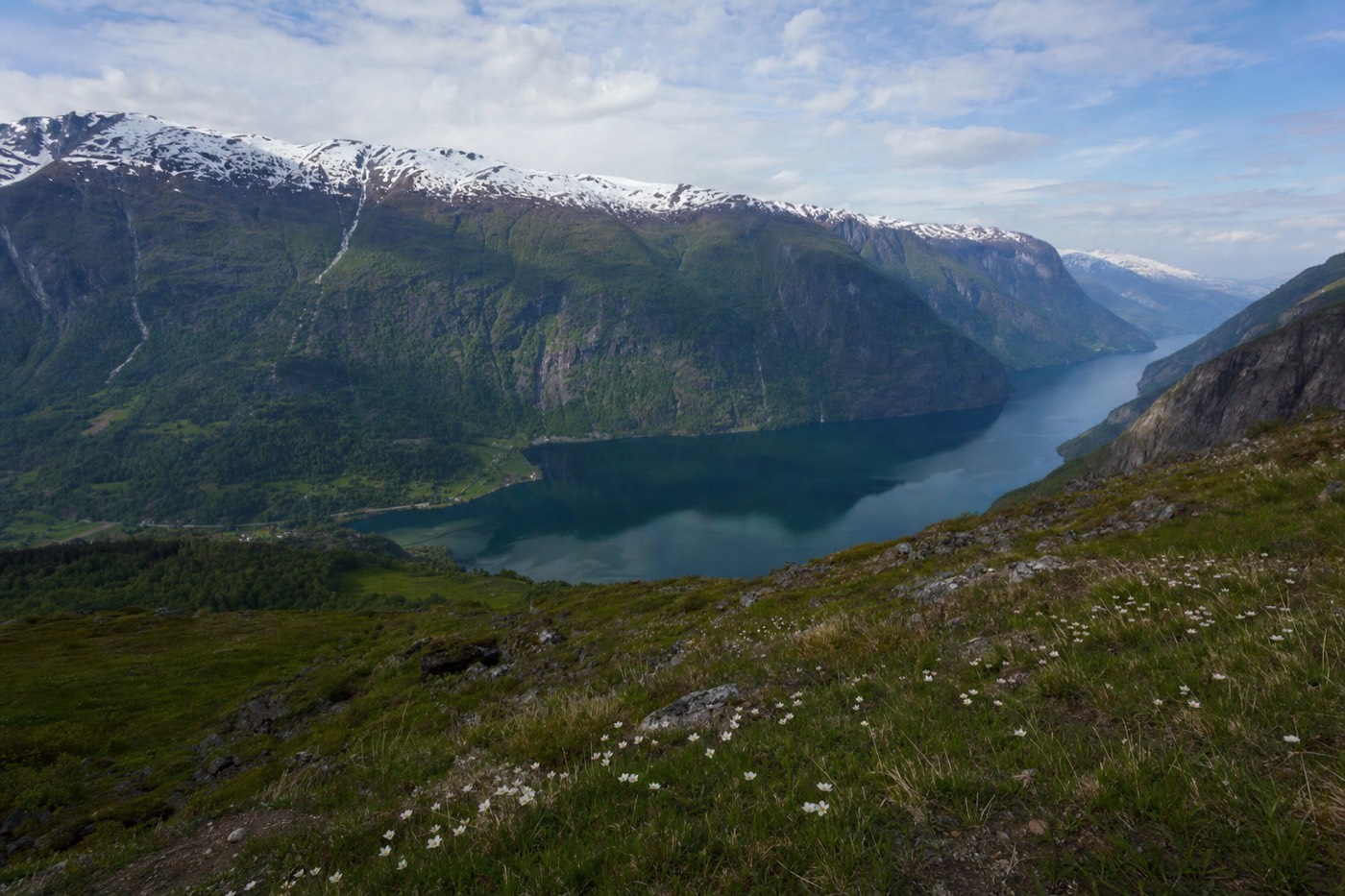
June through August gives the mildest air and water temperatures and the longest usable daylight for a genuine beach afternoon; outside that window the beaches are still worth visiting for the scenery and photography, just less realistic for swimming. Winter beach visits pair well with a Skagsanden surf session for the committed, or simply the dramatic contrast of snow-dusted mountains meeting pale sand.
Are there quieter beaches beyond the four best-known ones?
Yes: Storsandnes on the east side of Flakstadøy, Vik just beside Haukland, Rambergstranda's near-900-metre curve of sand, and Yttresand by the fishing village of Fredvang all see a fraction of the visitors that Haukland and Uttakleiv do, while offering a genuinely similar look. Vik in particular is often described as Haukland's quieter neighbour, sharing the same backdrop of Mannen mountain with far less foot traffic; see Visit Lofoten's beach overview for the full regional list beyond what fits here.
| Beach | What sets it apart | Access |
|---|---|---|
| Storsandnes | North-facing, good for aurora seascapes without a mountain foreground | Drive right up, east side of Flakstadøy |
| Vik | Haukland's quieter neighbour, same mountain backdrop | Drive right up, just beside Haukland |
| Rambergstranda | A long, gently curved stretch, popular for kayaking and kiting | Drive right up |
| Yttresand | Secluded, next to Fredvang, good for surfing and kayaking | Drive right up, near the Kvalvika trailhead |
Why does the sand look tropical when the water is Arctic?
The colour comes from shallow, very clear water over pale, fine sand, the same optical effect that turns shallow water turquoise anywhere in the world; what differs here is the temperature, since Lofoten's water is fed by the North Atlantic rather than a warm tropical current. Clear water and bright, low-angle northern light do the rest, which is why the strongest beach photos here tend to come from the extended golden hours of spring, summer and autumn rather than the flat grey light of a midday overcast.
What should you actually pack for a Lofoten beach day?
| Item | Why |
|---|---|
| A wetsuit, if swimming beyond a quick dip | Water stays cold even in the warmest summer weeks |
| Windproof layer | Open, exposed beaches catch the coastal wind with nothing to break it |
| Sturdy sandals or water shoes | Several beaches mix sand with rock and boulders underfoot |
| Sun protection, even in cool weather | UV reflecting off open water and pale sand is stronger than the air temperature suggests |
| A dry bag for electronics | Coastal spray and sudden weather changes are common |
Is it safe to swim, and what should you watch for?
The bigger risk at most Lofoten beaches is cold-water shock and currents rather than anything exotic: a sudden plunge into cold water can genuinely take your breath away even for strong swimmers, and several beaches, Skagsanden especially, see real swell and rip current activity that suits experienced surfers more than casual swimmers. Wading and a short, controlled dip are the realistic plan for most visitors; treat any beach with visible surf or swell with the same caution you would give open ocean anywhere else, and never swim alone at a remote, unsupervised beach like Kvalvika.
Surfing at Skagsanden: what to actually expect
Skagsanden draws a small but dedicated surf community year-round, cold-water surfing with a proper wetsuit, boots, gloves and hood in the winter months, and it is genuinely one of the more unusual surf destinations in the world given its Arctic setting and the aurora sometimes visible directly over the break. Board and wetsuit rental is available locally in season; turning up without cold-water gear in winter is not realistic given the water temperature.
How do the beaches change with the seasons?
Summer brings the mildest water and the classic turquoise-and-white postcard look; winter strips that away for something starker and, for many repeat visitors, even more striking: pale sand against snow-covered peaks, with a real chance of the northern lights directly overhead on a clear night. Spring and autumn sit between the two, with autumn's storms occasionally producing dramatic surf and cloud for photography, at the cost of less predictable weather for a casual visit.
| Season | Beach character | Realistic activities |
|---|---|---|
| Summer | Mildest water, longest daylight, busiest at Haukland | Swimming, kayaking, sunbathing on a warm day |
| Autumn | Cooling fast, more dramatic cloud and surf | Photography, surfing at Skagsanden |
| Winter | Snow-dusted peaks against pale sand, quiet | Photography, cold-water surfing, aurora viewing from Uttakleiv or Skagsanden |
| Spring | Lengthening days, water still cold, lingering snow up high | Photography, early-season kayaking, walking |
Which beach suits which kind of traveller?
| Traveller | Best pick | Why |
|---|---|---|
| Families with young children | Haukland | Easy parking, café, gentler sand access to the water |
| Photographers | Uttakleiv | Widely considered the most dramatic light and rock formations |
| Hikers wanting solitude | Kvalvika | No road access; the hike itself filters out casual visitors |
| Surfers | Skagsanden | The archipelago's established surf break, rideable year-round |
| Visitors wanting to dodge the crowds without a hike | Vik or Storsandnes | Drive-up access with a fraction of Haukland's foot traffic |
How do Lofoten's beaches compare to beaches elsewhere in Norway?
Lofoten's beaches are consistently ranked among Norway's best, and the archipelago concentrates an unusual number of genuinely white-sand, turquoise-water beaches into a small area compared to the rest of the country's coastline, most of which runs rockier and darker. Haukland in particular has repeatedly placed among Norway's most-voted beaches in domestic polls, which is a meaningful claim in a country with a very long coastline to compete against.
| Lofoten beaches | Typical mainland Norwegian coast | |
|---|---|---|
| Sand colour | Pale, often near-white | Varies, often darker or rockier |
| Backdrop | Sheer granite peaks close behind the sand | Varies; rarely as dramatic or as close |
| Water clarity | Very clear, giving the turquoise colour in shallow water | Varies by region and season |
| Access | A mix of drive-up and hike-in, concentrated along a short stretch of coast | More spread out along a much longer coastline |
Do the beaches connect to any of the other things Lofoten is known for?
Yes, directly: several beaches sit close to the same fish-drying racks and rorbu villages that define the rest of the archipelago's identity, so a beach stop rarely stands alone on an itinerary, it usually sits alongside a village walk, a hike or a boat tour on the same day. The Hov Gård horseback ride, for instance, crosses Arctic Hov beach directly, turning what could be a simple beach stop into a guided ride past Viking-era remnants and traditional fish-drying racks, which is a different, deeper way to experience the coastline than a parking-lot photo stop.
The RIB safaris and Trollfjord cruises departing from Svolvær work the same way from the water side: they trade sand underfoot for a close pass along cliffs and coves that are not reachable on foot at all, which is worth considering for anyone whose real interest is the coastline itself rather than a specific beach.
Taken together, the beaches are less a single checklist item than a thread running through the rest of a Lofoten trip: a stop on the drive between Svolvær and Reine, a pairing with the horseback ride or a kayak launch, or a full afternoon in their own right when the weather cooperates. Building at least one unhurried beach stop into any itinerary of three days or more is worth the detour, whichever specific beach ends up being closest to the day's plans.
The short version, across every beach on this page: expect real cold water and genuine Arctic scenery in the same visit, plan around the tide and the light rather than a fixed schedule, and treat the drive between beaches as part of the experience rather than dead time, since almost every stretch of coast between them is worth a glance out the window.