Is Lofoten a Tourist Trap?
No, not in the sense that matters: Lofoten is not a manufactured attraction dressed up for cameras. It is a working fishing archipelago that happens to be extraordinarily photogenic, and the crowding and cost people flag are real, but they are the price of popularity, not evidence of a fake experience.
Booking choice: Connect fishing cabins, drying racks and village harbours through local stories. Discover Henningsvær and Svinøya history tour
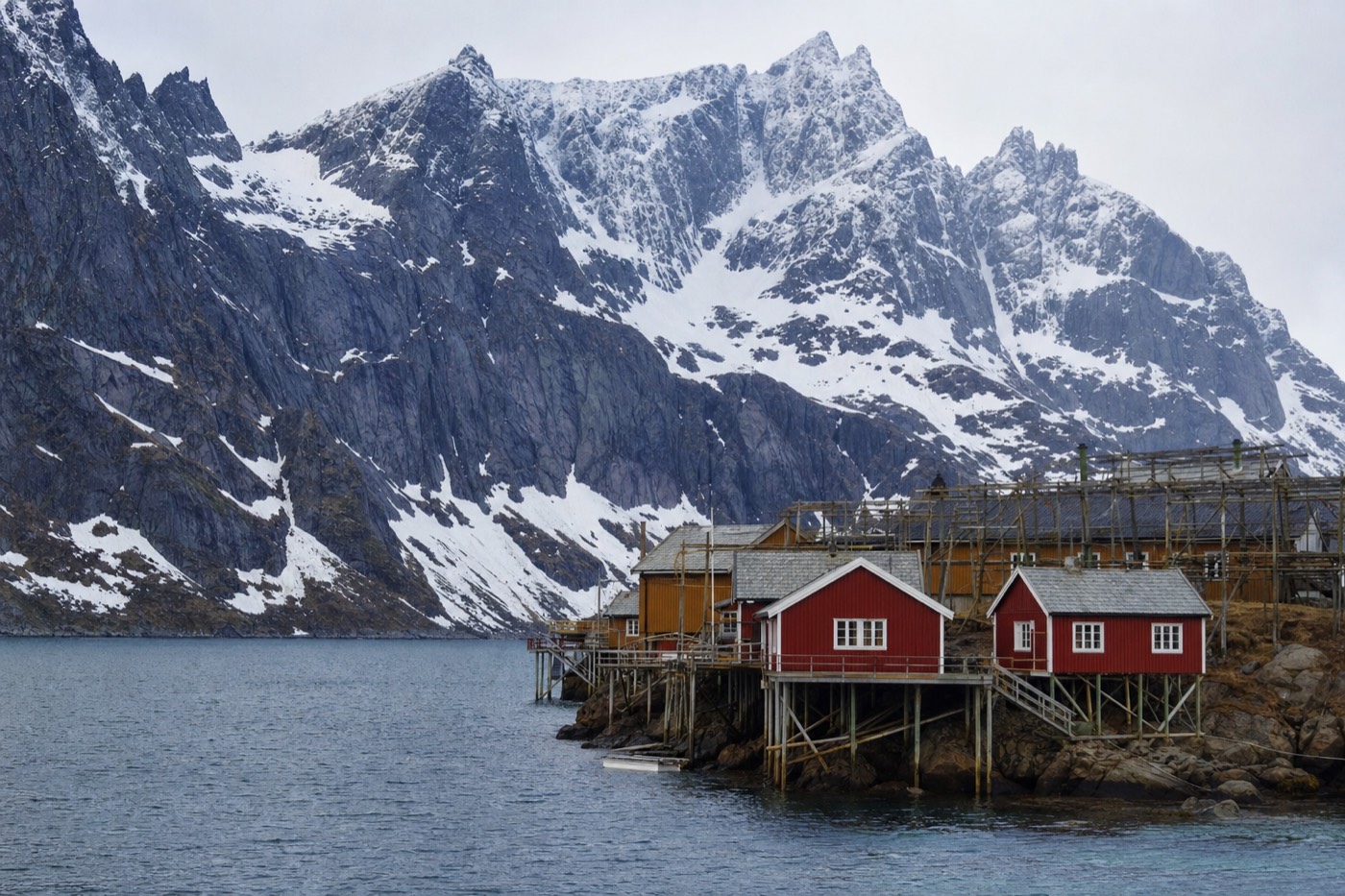
What actually makes a place a tourist trap?
A genuine tourist trap sells a manufactured, shallow version of a place at inflated prices, with little connection to how the place actually works day to day; Lofoten fails that definition because the fjords, the fish-drying racks, the fishing boats and the working harbours are the real economy of the islands, not a performance staged for visitors. The village of Reine exists because of cod fishing, not because of tourism; tourism arrived afterward and layered on top of a place that was already there.
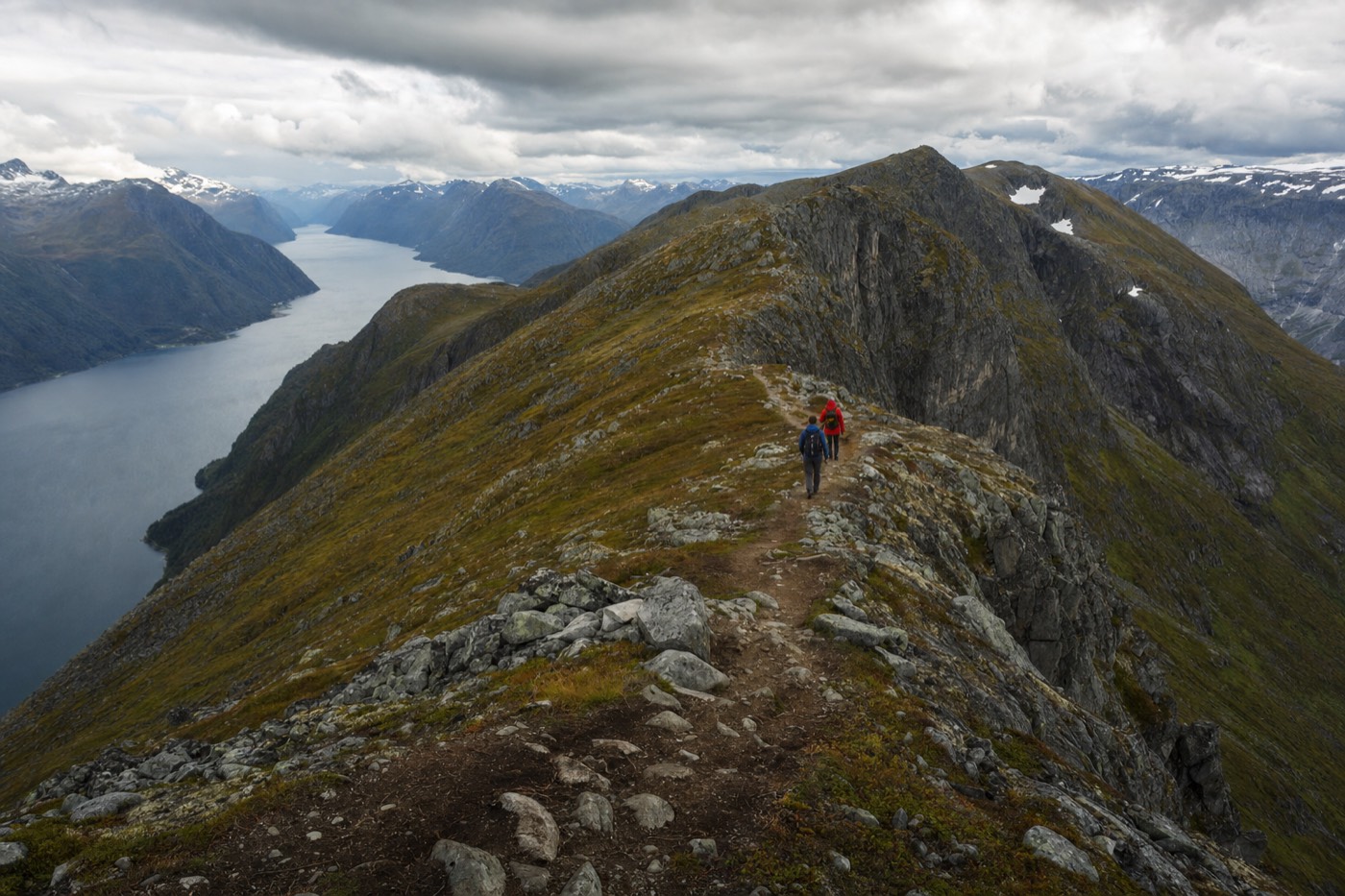
So why does the question come up so often?
Because two real complaints get conflated with the "trap" label: Lofoten is genuinely expensive by most travellers' standards, and a handful of specific spots, above all the Reinebringen trailhead and Haukland beach in July, get properly crowded in peak summer. Both are true. Neither means the underlying experience is fake or overpriced relative to what you get, which is the actual test of a tourist trap.
Is it overpriced?
Lofoten is expensive because Norway is expensive, not because Lofoten specifically marks things up for visitors; restaurant meals, fuel and rental cars all run at Norwegian national prices, which are high by most international standards regardless of where you go in the country. Self-catering in a rorbu with a kitchen, which is the normal way most Norwegians themselves holiday here, brings the cost down close to a typical European mountain or coastal trip. For the full breakdown, see the dedicated cost guide.
Where does it actually feel crowded?
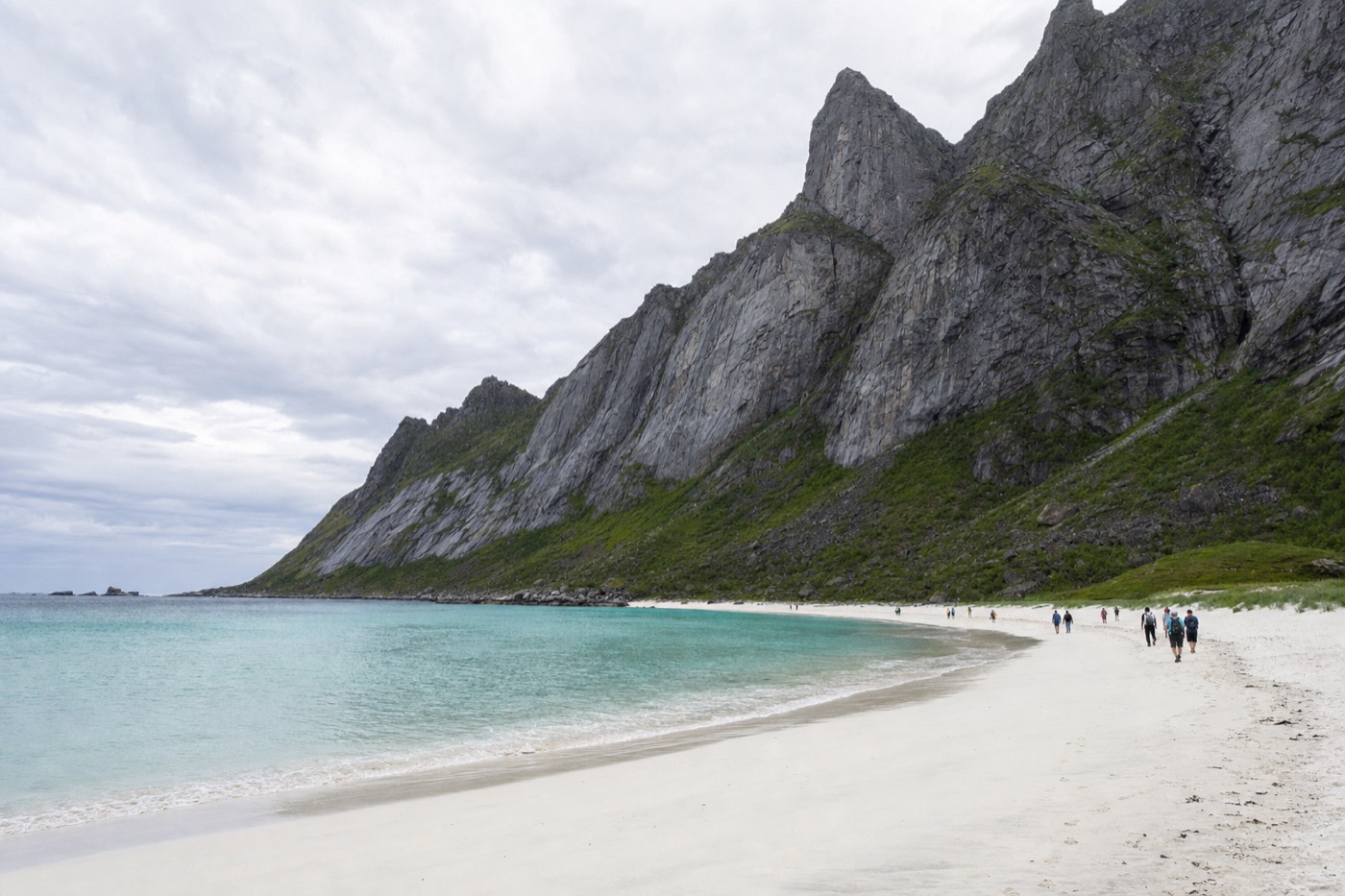
A short list, not the whole archipelago: the Reinebringen trailhead car park, Haukland beach and a couple of the most-photographed pull-offs on the E10 near Fredvang get genuinely busy in July and the first half of August, and almost nowhere else does. Drive fifteen minutes off the main tourist circuit in peak season and the crowds thin out fast, because the archipelago is large and most visitors cluster around the same handful of Instagram-famous spots.
| Spot | Crowded in peak summer? | Easy fix |
|---|---|---|
| Reinebringen trailhead | Yes, especially midday July-August | Start early morning or in the evening during the midnight sun |
| Haukland beach | Yes, warm sunny days | Visit Uttakleiv instead, or go early/late |
| Trollfjord by boat | Busy but the fjord itself never feels packed | Book an early morning departure |
| Å and the southern villages | Rarely crowded, even in peak season | No fix needed |
A guided tour is one honest way to dodge the worst of the crowding without sacrificing the highlights, since operators time departures around the quieter windows they already know from running the route daily. The Trollfjord RIB sea eagle safari and the half-day scenic sightseeing tour both cover the marquee spots without you needing to fight for a parking spot.
What is the honest downside, if not "trap"?
The real downside is weather dependency: Lofoten's signature views, whether it is Reinebringen's summit panorama or a clear night for the aurora, are genuinely at the mercy of cloud cover, and a short trip can land entirely on the wrong side of that luck. That is a planning risk, not a scam, and it is exactly why guides and repeat visitors both push for a few spare days rather than a tightly packed single-shot itinerary.
What does this look like compared to an actual tourist trap?
| Tourist trap | Lofoten | |
|---|---|---|
| The economy behind it | Built for visitors from the start | Real fishing economy, tourism layered on top |
| Prices | Marked up specifically for tourists | National Norwegian pricing, same anywhere in the country |
| What you actually see | A staged version of something real | The genuine landscape and villages, unaltered for cameras |
| Crowding | Everywhere, all the time | Concentrated at a handful of specific spots, specific months |
Whether the trip is worth planning for you specifically comes down to budget and season more than any "trap" question. If cost is the real concern, start with the cost guide; if timing is the concern, the month-by-month guide lays out which windows dodge both the crowds and the worst weather odds.