Is Lofoten Expensive to Visit?
Yes, Lofoten is expensive, in line with the rest of Norway rather than specifically marked up for visitors. As a planning allowance rather than a fixed rule, a careful self-caterer can get by on a modest daily budget, while a comfort traveller doing a paid activity every day will spend considerably more.
Booking choice: Visit southern fishing villages and Skagsanden with a driver and photography stops. Discover Reine, Hamnøy and Å photo tour
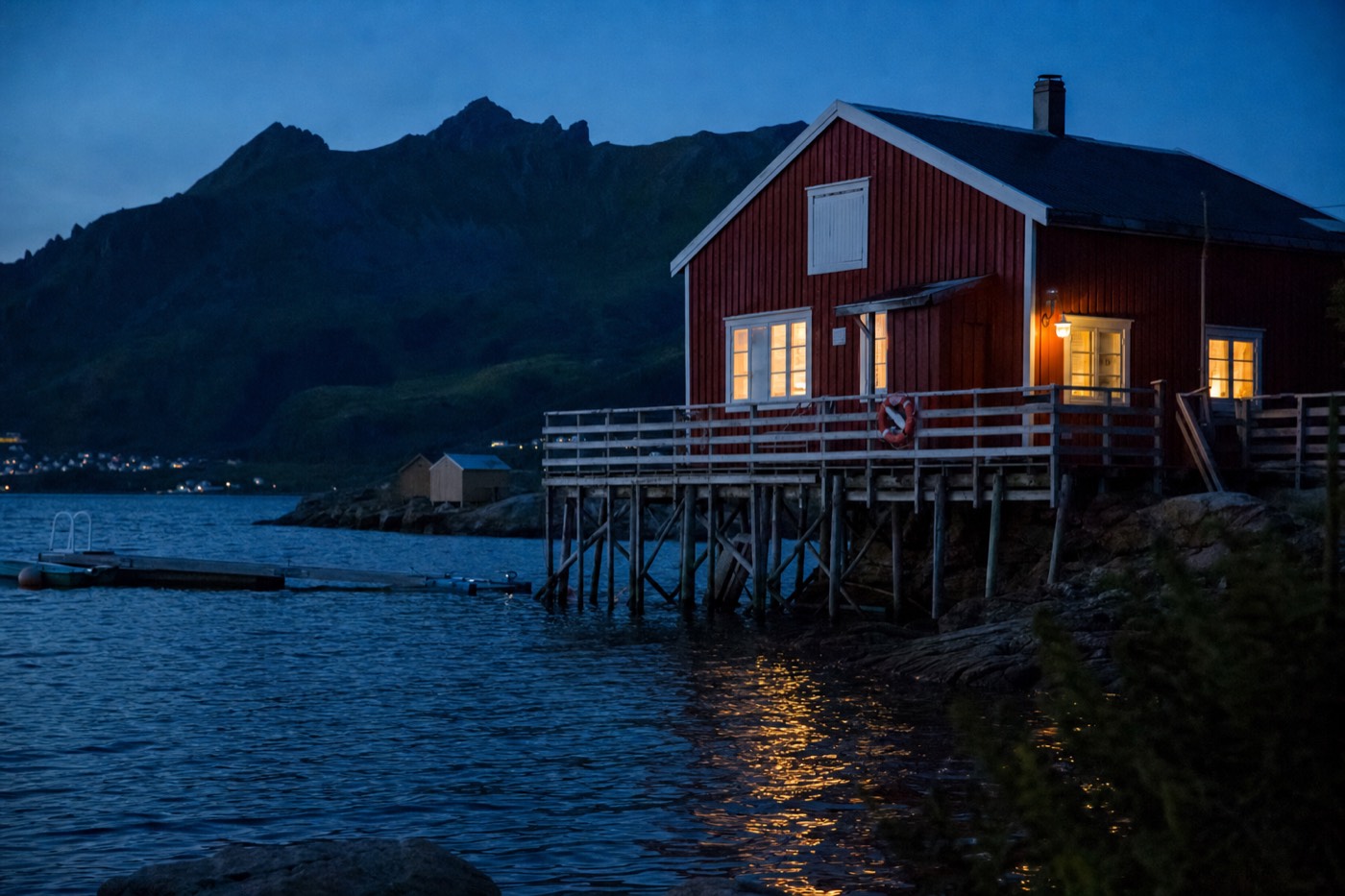
Why is it expensive in the first place?
Lofoten prices at national Norwegian rates: restaurants, fuel and rental cars all cost what they cost across the country, so the archipelago is not specifically marked up for tourists, it is simply operating inside one of Europe's higher-cost economies. This matters because it means the usual "avoid the tourist zone" advice does not really apply here; a meal in a quiet fishing village runs close to a meal in Oslo.
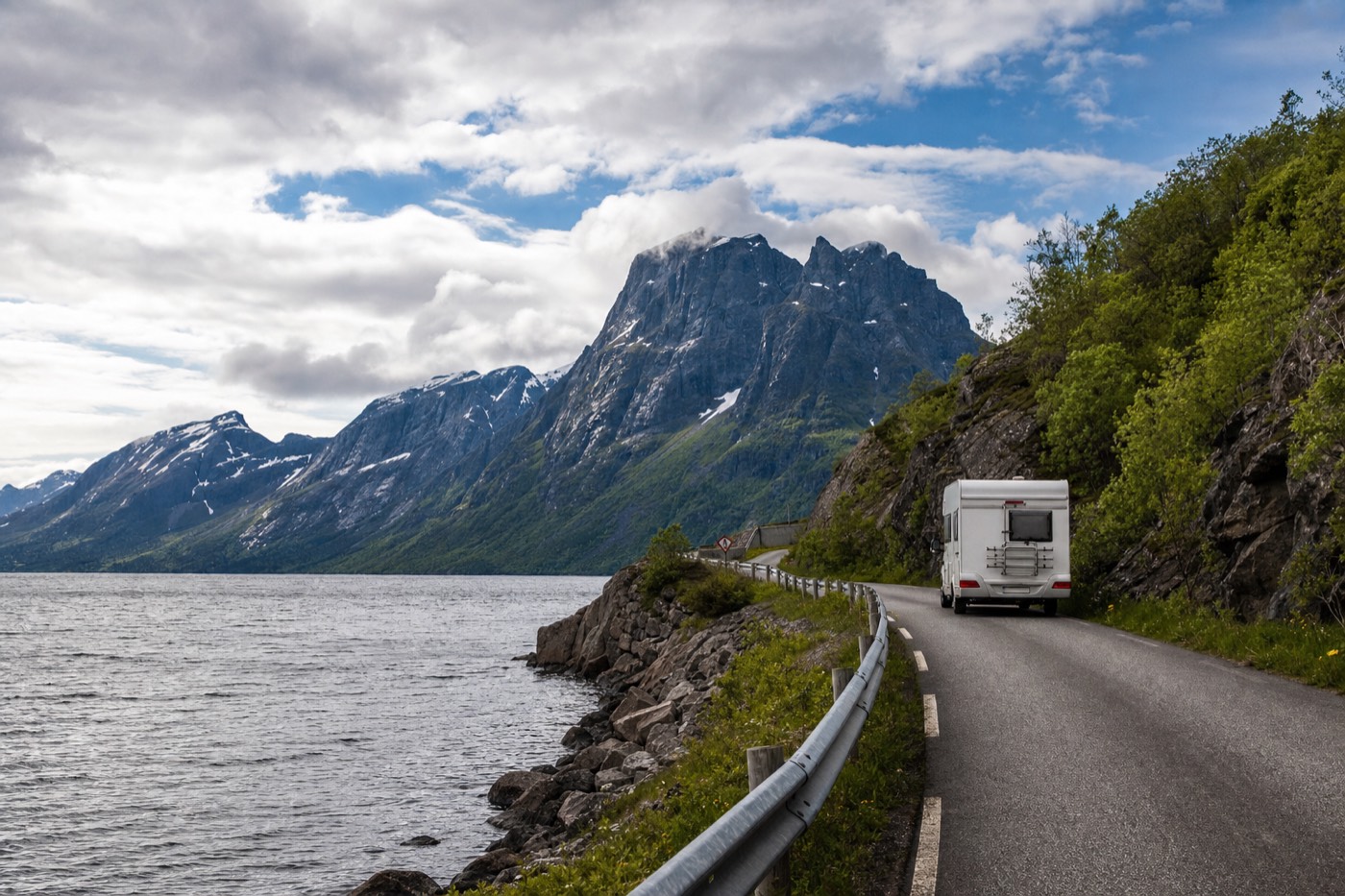
What does a realistic daily budget actually look like?
As a rough planning allowance rather than an exact figure: a careful self-caterer staying in budget accommodation can manage a modest daily spend, a mid-range traveller sharing a rorbu with a kitchen and doing one paid activity every couple of days sits meaningfully higher, and a comfort traveller booking a guided activity most days will clear considerably more again. These figures move with season, group size and how much of your food you cook yourself versus eat out, and they exclude flights, ferry and any rental car.
| Style | What it looks like |
|---|---|
| Budget / self-catering | Hostel or campsite, cooking most meals, minimal paid activities |
| Mid-range | A rorbu or guesthouse with a kitchen, one restaurant meal and one paid activity every couple of days |
| Comfort | Hotel or premium rorbu, regular restaurant meals, a guided activity most days |
What are the biggest single cost drivers?
Accommodation, food and a rental car (if you have one) dwarf everything else on a typical Lofoten trip; a small city car runs a genuine daily cost, and fuel prices sit at the higher end of the European range. Guided activities, by comparison, are often the smaller line item on the trip once accommodation and food are accounted for, especially when a tour replaces a rental car for the day entirely.
What actually brings the cost down?
Choosing accommodation with a kitchen and self-catering most meals is the single biggest lever, since Norwegian grocery prices, while still not cheap, undercut restaurant prices by a wide margin, and cooking in a rorbu kitchen is close to the normal, traditional way to stay in Lofoten anyway, not a compromise.
| Lever | Effect |
|---|---|
| Self-catering (rorbu or guesthouse with a kitchen) | The largest single saving versus eating out for every meal |
| Travelling shoulder season | Lower accommodation rates than the July peak |
| One well-chosen guided tour over several improvised attempts | Often cheaper and more reliable than renting extra gear or repeat fuel for solo exploring |
| Grocery shopping in a larger town before heading to smaller villages | Selection and price both tend to be better in Svolvær or Leknes than the smallest villages |
Are guided tours themselves expensive?
Compare a current quote for your chosen date with the transport, equipment and guiding it includes. Tour prices vary by activity and party; use your actual group totals in the comparison below rather than assuming a fixed saving.
For the flip side of this question, the popularity and pricing question is closely tied to whether the place lives up to the cost: see is Lofoten a tourist trap for that direct comparison.