Unstad Beach Surfing Guide: Norway's Arctic Surf Spot
The short answer: Unstad is a small west-facing bay on Vestvågøy that has been Norway's home of cold-water Arctic surfing since the 1960s, with a genuine beginner-friendly beach break and two more serious reef and point breaks either side of it. Water stays a bracing 3 to 15 degrees Celsius year-round, and yes, people surf it in every season.
Booking choice: Visit Haukland, Unstad and Henningsvær with a guide and transport. Discover Lofoten scenic sightseeing from Svolvær
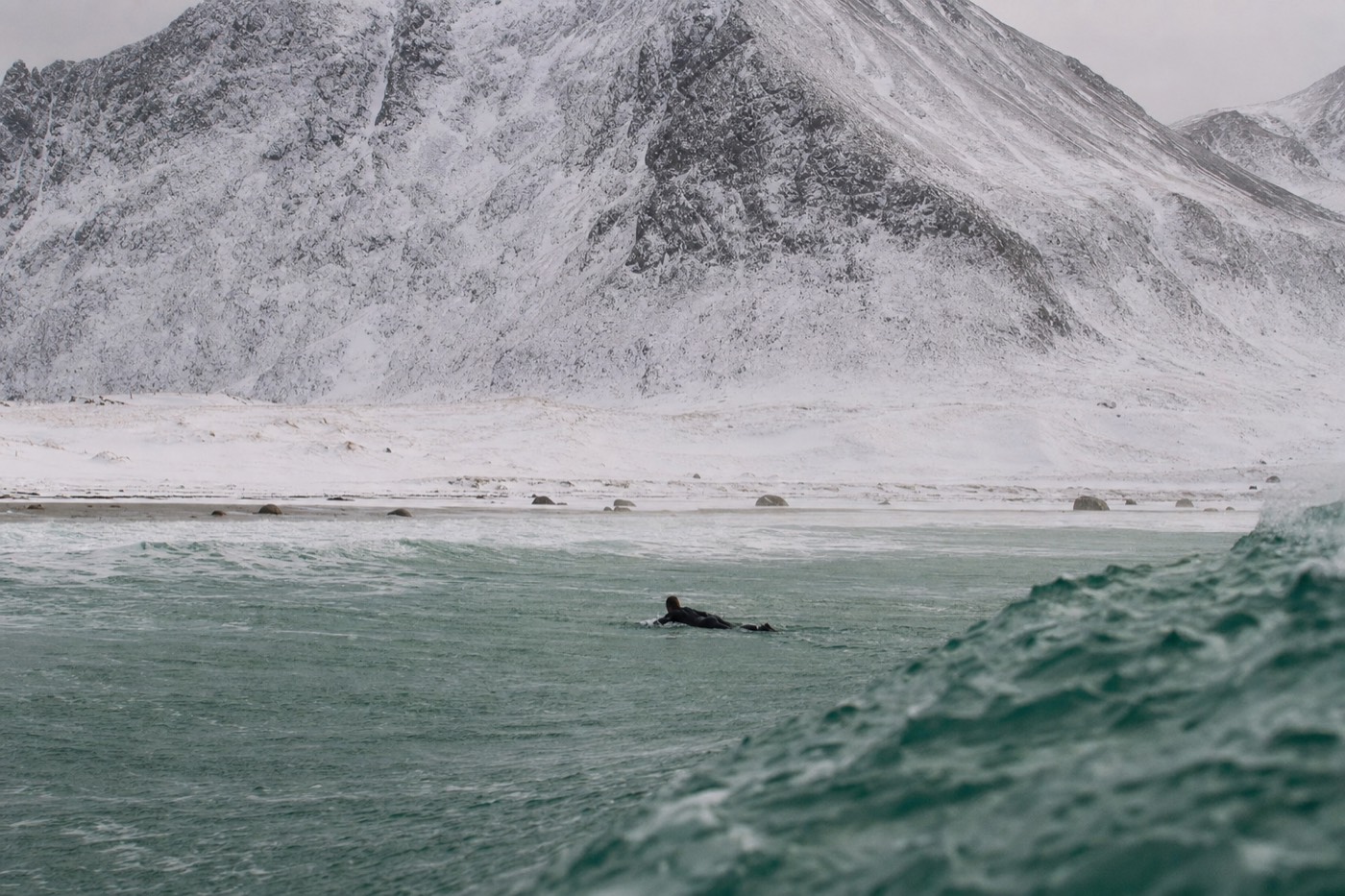
Unstad does not fit the rest of this site's usual subject matter, since no tour here books a surf lesson. It earns a guide anyway because it is a genuinely different corner of Lofoten from anything else covered, a working surf beach rather than a photo stop or a hiking trailhead, and travellers researching the archipelago keep asking about it.
What actually makes Unstad different from Lofoten's other beaches?
Unstad is a working surf beach, not a scenic stop: it is the cultural and operational home of Arctic cold-water surfing in Norway, one of the very few places this far north with genuinely rideable waves year-round, and its whole identity is built around the sport rather than photography. Where Haukland and Uttakleiv, covered in this site's beaches guide, draw visitors for turquoise water and dramatic backdrops to walk and photograph, Unstad draws people who came specifically to paddle out.
Where is Unstad, and how do you get there?
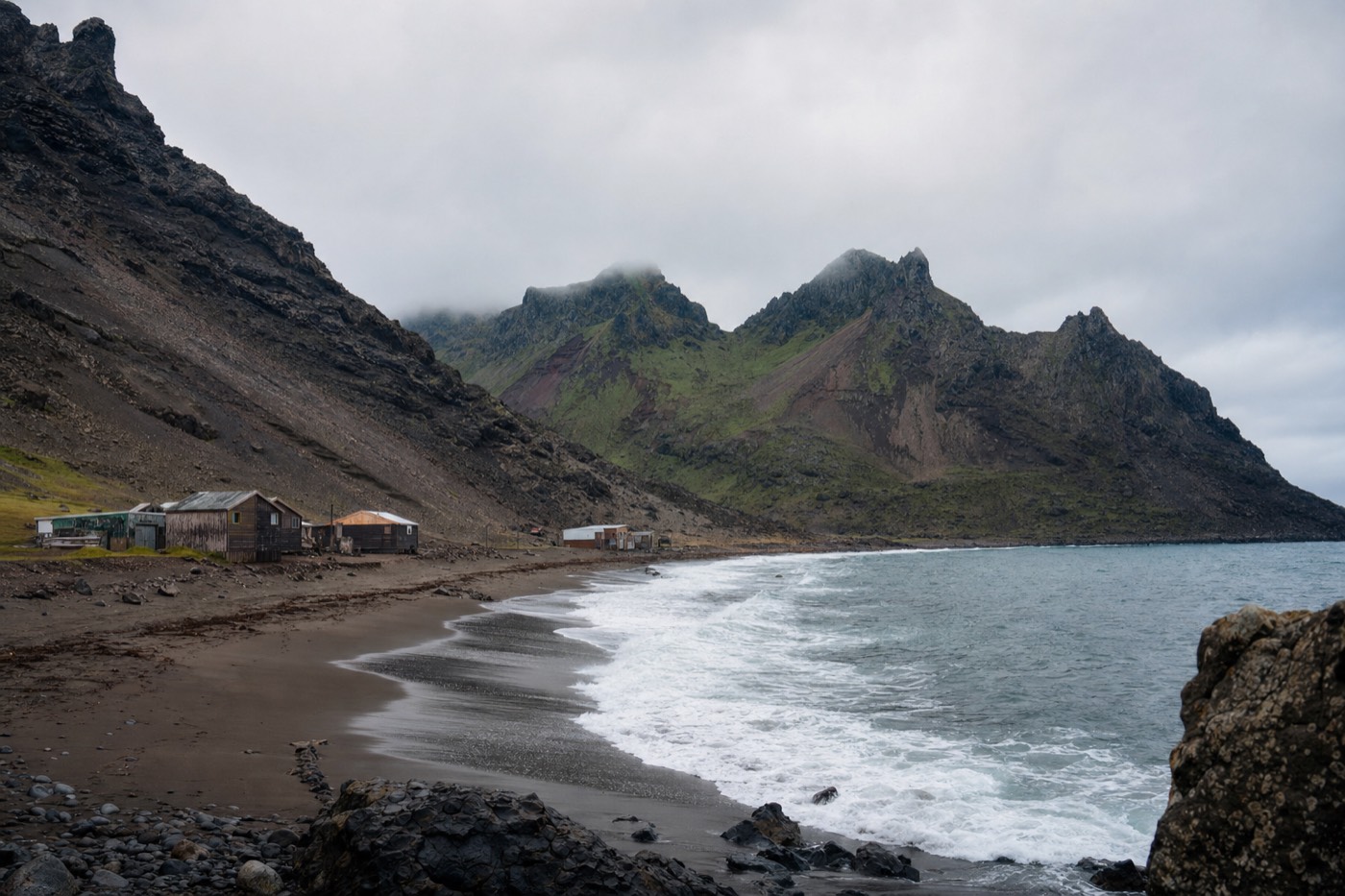
Unstad sits on the west coast of Vestvågøy, a short drive from Leknes along a narrow road that winds down to the bay, distinct from the more central beaches of Haukland and Uttakleiv further north on the same general coastline. There is no public transport directly to the beach; a rental car or a specific surf-focused transfer is the realistic way in for almost every visitor.
| From | Distance | Notes |
|---|---|---|
| Leknes | ~25-30 minutes by road | The nearest airport and the practical base for a surf trip here |
| Haukland/Uttakleiv beaches | ~30-40 minutes by road | A different stretch of coast; combine both in one day if time allows |
| Svolvær | ~1.5-2 hours by road | A genuine drive, not a casual afternoon detour |
How cold is the water, really?
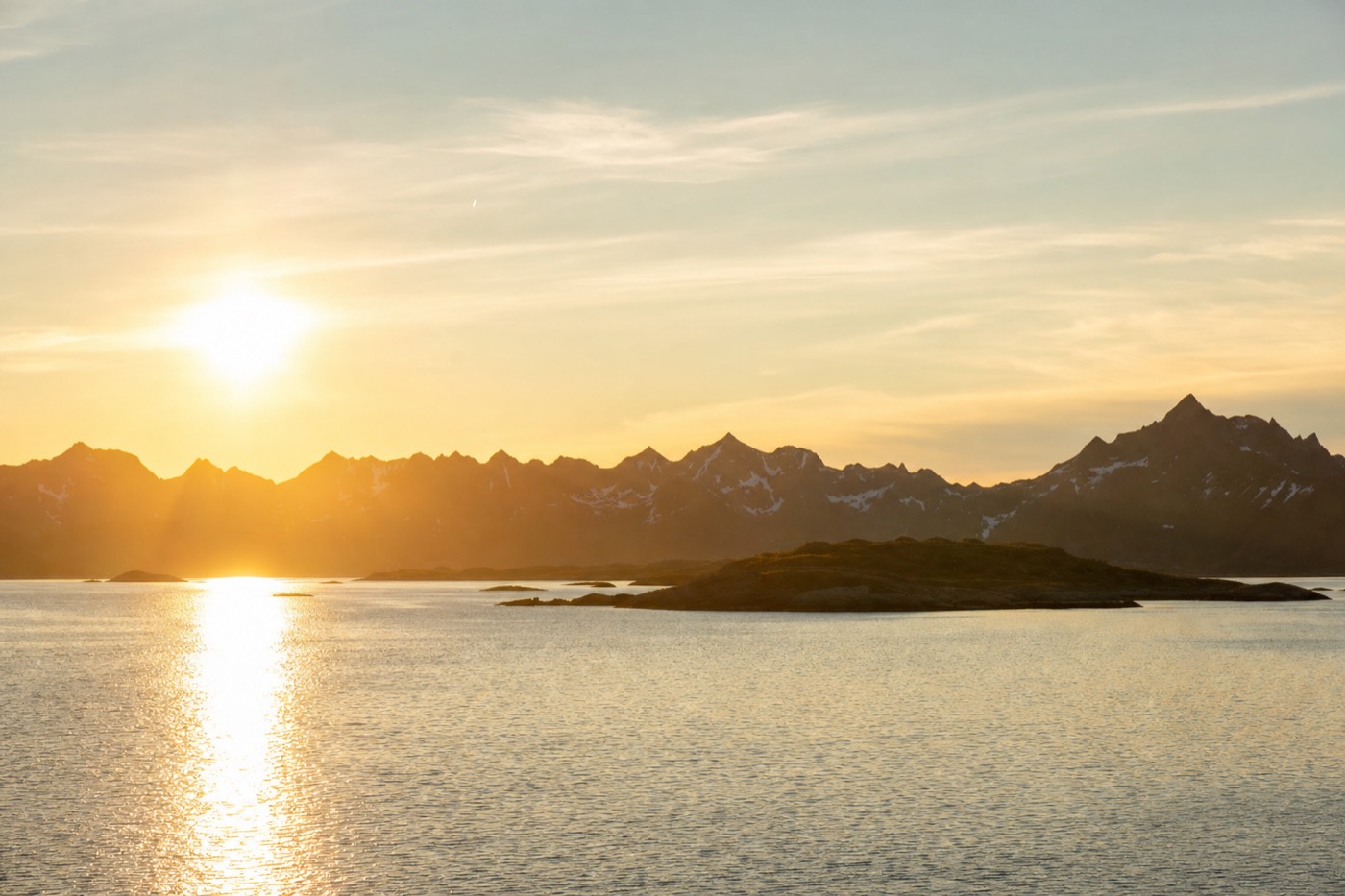
Genuinely cold year-round by any temperate-climate standard: sea temperature at Unstad peaks around early August at roughly 11 to 15 degrees Celsius and drops to its lowest, around 3 to 6 degrees, near early April, staying relatively stable through the rest of the year thanks to the Gulf Stream's moderating effect on this stretch of Norwegian coast. A proper thick wetsuit, boots, gloves and a hood are not optional extras here; they are the baseline kit for any season.
| Time of year | Approx. water temp | What that means for gear |
|---|---|---|
| Late summer (Jul-Aug, warmest) | ~11-15°C | Still needs a full wetsuit; this is the mildest window, not warm |
| Autumn (Sep-Nov) | Cooling steadily | Thicker wetsuit, boots and gloves become standard |
| Winter (Dec-Feb) | Near the coldest of the year | Full winter wetsuit, boots, gloves and hood essential |
| Spring (Mar-Apr, coldest) | ~3-6°C | The most demanding window for cold-water gear |
What are the actual waves like?
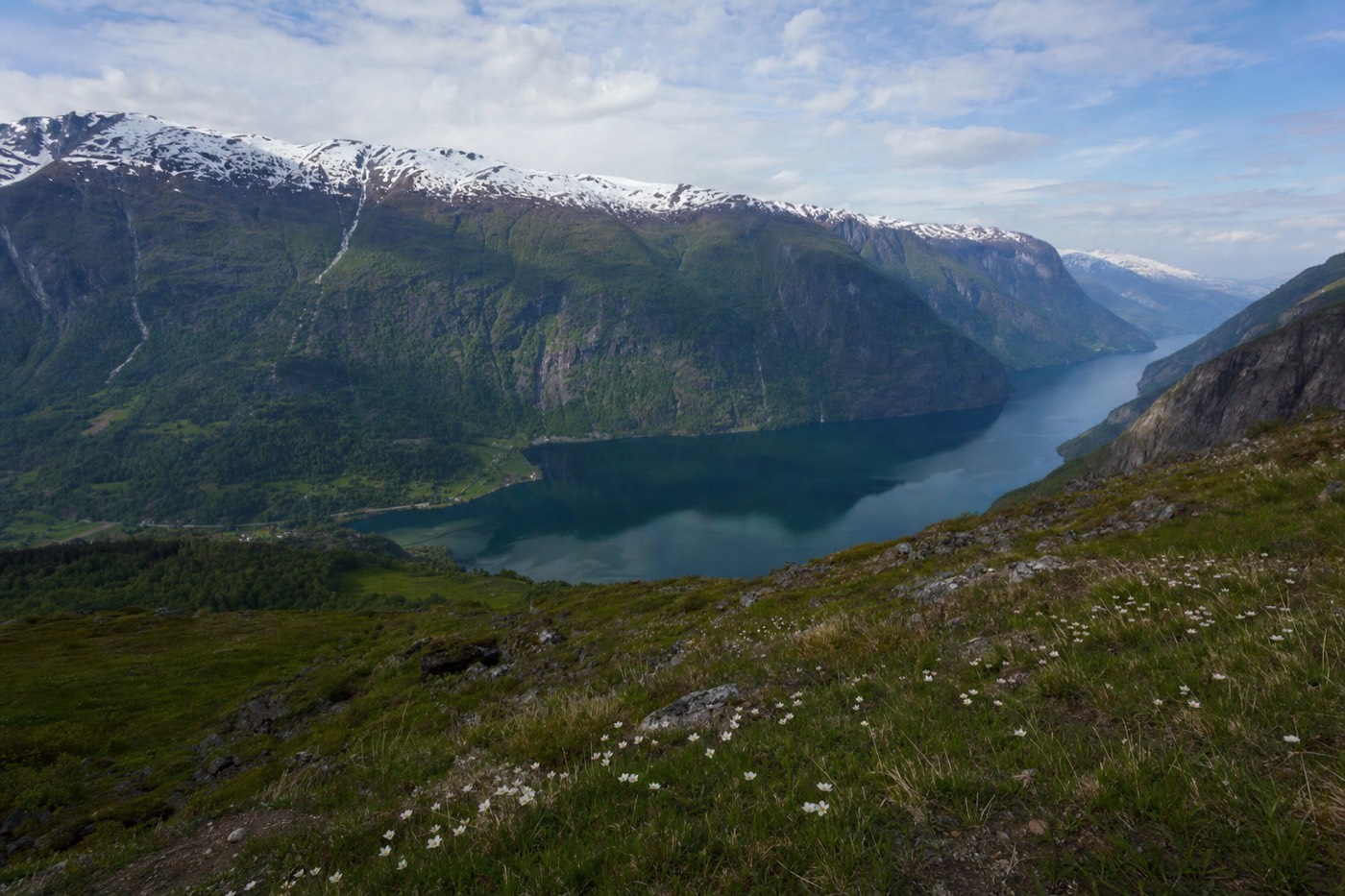
Three distinct breaks sit within the same small bay: the beach itself offers shifty, generally beginner-friendly, rolling waves; Unstad Right, on the bay's northern fringe, is a fast, hollow reef break capable of genuinely world-class waves; and Unstad Left, on the southern edge, is a long, fast, hollow point break running over rocks, better suited to experienced surfers. This spread is exactly why Unstad works for both total beginners taking a first lesson and experienced surfers chasing a serious wave, within metres of each other.
| Break | Character | Suits |
|---|---|---|
| The beach break | Shifty, rolling, generally forgiving | Beginners and first-timers |
| Unstad Right (north fringe) | Fast, hollow reef break, high quality | Experienced surfers |
| Unstad Left (south edge) | Long, fast, hollow point break over rocks | Experienced surfers comfortable with a rocky bottom |
When is the best time to surf Unstad?
Winter and, specifically, September tend to produce the most consistent clean swell with favourable light or offshore winds, which runs counter to most visitors' instinct to plan an Arctic Norway trip for summer; the trade-off is colder water and shorter daylight in the true winter months. Summer brings the mildest water and the longest daylight, courtesy of the midnight sun, but not necessarily the best or most consistent wave quality.
| Season | Wave consistency | Water temp | Daylight |
|---|---|---|---|
| Winter (Dec-Feb) | Strong, among the most consistent | Near the coldest of the year | Very short |
| September | Frequently cited as a standout month for clean swell | Cooling from summer highs | Shortening but workable |
| Summer (Jun-Aug) | Less consistently strong | Mildest of the year, still cold | Midnight sun, effectively 24 hours |
Do you need your own gear, or can you get lessons locally?
Unstad Arctic Surf, the well-known local surf school based directly on the beach, runs lessons and rents cold-water gear for visitors who do not want to travel with their own wetsuit and board, which is the realistic option for most first-time visitors given how specialised proper Arctic cold-water kit is. This site does not sell or book surf lessons; check current lesson availability, pricing and gear rental directly with a local operator before planning a trip around it.
What is Unstad's real history?
Norwegian surfing at Unstad traces to the early 1960s, when two young Norwegians working aboard ships, Thor Frantzen and Hans Egil Krane, tried surfing in Sydney, Australia during a stopover and brought the sport home with them, choosing this bay as the place to ride it. That origin story is unusually well documented for a niche regional sport, and it explains why a beach this far inside the Arctic Circle became a surf destination at all rather than simply staying a fishing cove like its neighbours.
What does a normal session at Unstad actually look like?
Most visiting surfers start at the surf school, get fitted for a full winter-weight wetsuit regardless of the season, walk down to the beach break for a warm-up, and only move toward Unstad Right or Left once they have a genuine read on the day's swell and their own comfort in the cold; a typical guided session runs two to three hours including the fitting and briefing. The short walk from the road down to the sand is part of the routine everywhere here, since parking sits above the beach rather than directly on it.
Is there a local surf community, or is it purely a visitor spot?
Both: Unstad has a genuine year-round local surfing community built up since the 1960s pioneers, alongside a steady flow of visiting surfers drawn specifically by its reputation, and the two groups share the same small bay without much friction, since the beach break, reef and point breaks naturally separate different skill levels. Basic surf etiquette, not dropping in on another surfer's wave, respecting locals' knowledge of the specific break, applies here as anywhere, with the added Arctic-specific courtesy of not lingering too long in the water in genuinely dangerous cold if you are inexperienced with it.
How does Unstad compare to other cold-water surf destinations?
Unstad sits in a small, specific category of far-north or far-south surf spots, alongside places like Iceland's coastline and parts of Scotland, where genuinely rideable waves meet genuinely cold water; what sets it apart within that category is the combination of dramatic mountain scenery directly behind the break and a well-established surf school infrastructure that many equally remote cold-water spots lack. Surfers who have tried other Arctic or sub-Arctic breaks tend to describe Unstad as unusually accessible for how extreme its conditions sound on paper, precisely because of that local infrastructure.
What should you bring, even if you're not surfing?
| Item | Why |
|---|---|
| Warm, windproof layers | The bay is exposed to open sea wind even on a calm inland day |
| Waterproof footwear | The shoreline and access paths are often wet or muddy |
| A camera with a fast shutter or telephoto | Surfers moving on cold-water swell make for genuinely striking, dynamic shots against the mountain backdrop |
| Cash or a card for the local surf school cafe, if visiting during opening hours | Facilities are limited to what the surf school itself provides |
Is it safe for beginners, given how cold and remote it is?
With a lesson and proper cold-water gear, yes: the beach break specifically is considered approachable for first-timers, and a local instructor manages both the surf technique and the cold-water safety considerations that a visiting beginner would not otherwise know to plan for. Surfing unsupervised without proper cold-water gear or local knowledge of the specific break is a genuinely different risk profile from a warm-water beginner lesson, and is not the honest starting point for anyone new to the sport here.
How did Unstad shape Norwegian surf culture more broadly?
Unstad is generally credited as the origin point of organised surfing in Norway, with the sport's spread to other parts of the Norwegian coast tracing back to the small community that formed here after Thor Frantzen and Hans Egil Krane's 1960s introduction, giving the beach a cultural significance well beyond its size or visitor numbers. That founding status is part of why the beach draws a steady stream of visiting surfers specifically wanting to see and surf the place itself, not just a convenient Arctic wave, a pilgrimage element that few other Norwegian beaches carry.
Is there an environmental or conservation angle worth knowing about?
Unstad sits within a working, largely undeveloped stretch of coast, and the local surf community has a real interest in keeping it that way; basic outdoor etiquette, packing out any rubbish, respecting the small amount of natural dune vegetation, and not disturbing the beach outside the areas already used for surf access, applies here as it does at Kvalvika, Haukland or any of Lofoten's other beaches. The bay's relative remoteness has so far kept it from the heavier visitor pressure some more famous Lofoten beaches see, and both the surf school and repeat visitors tend to treat that as worth protecting rather than taking for granted.
What mistakes do first-time visitors make?
| Mistake | Why it happens | Fix |
|---|---|---|
| Underestimating the water temperature | "Norway in summer" reads as mild; the water is not | Full cold-water wetsuit, boots, gloves and hood, every season |
| Paddling into Unstad Right or Left without experience | The bay looks like one beach from the road | Stick to the beach break as a first-timer; the reef and point breaks suit experienced surfers |
| Assuming there is public transport | Confusing it with more central, better-connected beaches | Plan for a rental car or a dedicated transfer |
| Visiting only in summer for "the warmest water" | Reasonable but not the whole picture | Winter and September often bring more consistent surf, if colder |
What if you just want to watch, not surf?
Unstad works well as a spectator stop too: the beach's small surf-school cafe and the view of surfers working the bay against a mountain backdrop make it a worthwhile short visit even for travellers with no interest in getting in the water themselves. Pairing it with a wider look at Lofoten's west coast, on the drive covered in this site's E10 road trip guide, is a natural way to fit it into an itinerary without dedicating a full day.
How does the bay's shape create three such different waves so close together?
The physical layout of the bay does the work: an open, gently shelving centre produces the beach break's softer, rolling waves, while the rockier points on the north and south edges, Unstad Right and Unstad Left, focus and speed up the same incoming swell into faster, hollower waves as it wraps around the harder terrain. This is a fairly common surf-geography pattern globally, a beach break flanked by reef or point breaks, but Unstad's specific version of it packs an unusually wide range of wave character into a genuinely small, easily walkable bay.
Is Unstad accessible for visitors who are not surfing at all, physically?
Yes, to a point: the road down to the bay and the parking above the beach are manageable for most visitors, and watching from the surf school's cafe or the beach itself requires no particular fitness, though the beach surface is sand and rock rather than a paved boardwalk, worth knowing for anyone with mobility considerations. This makes Unstad a workable stop even for travellers with no intention of getting in the water, provided expectations are set around the informal, unpaved nature of the immediate beach access.
Unstad will not fit every Lofoten trip, and that is fine: it rewards visitors who specifically want a working Arctic surf beach, not another scenic overlook. For the archipelago's more classic postcard beaches, Haukland and Uttakleiv, see the full beaches guide instead; both are a genuinely easier stop for anyone travelling with limited time or without a specific interest in the sport, while Unstad stays the honest choice for anyone whose actual goal is watching or trying cold-water surf. Whatever the plan, a stop here is a reminder that Lofoten's identity is not only fjords and postcard villages; a working Arctic surf beach is just as real a part of the archipelago's modern character as any hiking trail or aurora hunt. Sixty years after two young sailors brought a foreign sport home from Sydney, that same small bay still draws people specifically because of what they started there, a fact worth knowing even for a visitor who never intends to touch a board. Few beaches anywhere combine a working surf culture, genuinely cold water, and mountains rising straight from the sand in quite the same way, and that combination alone makes the short detour off the main road worth the drive. It is a spot that photographs well and functions honestly as exactly what it looks like: a real, still-active, slightly obsessive little surf community that happens to sit inside the Arctic Circle. That is a harder thing to fake than a pretty view, and it is exactly why Unstad's reputation among surfers has held up for six decades rather than fading as a passing novelty.