Henningsvær Village Guide: The Football Pitch and Beyond
The short answer: Henningsvær is a working fishing village of around 500 people, built across a tight cluster of small islets off Austvågøya, famous for one specific thing, a football pitch on a flat rocky islet surrounded by open sea. There is a real, still-active village behind that one drone shot, worth the short detour off the E10.
Booking choice: Connect fishing cabins, drying racks and village harbours through local stories. Discover Henningsvær and Svinøya history tour
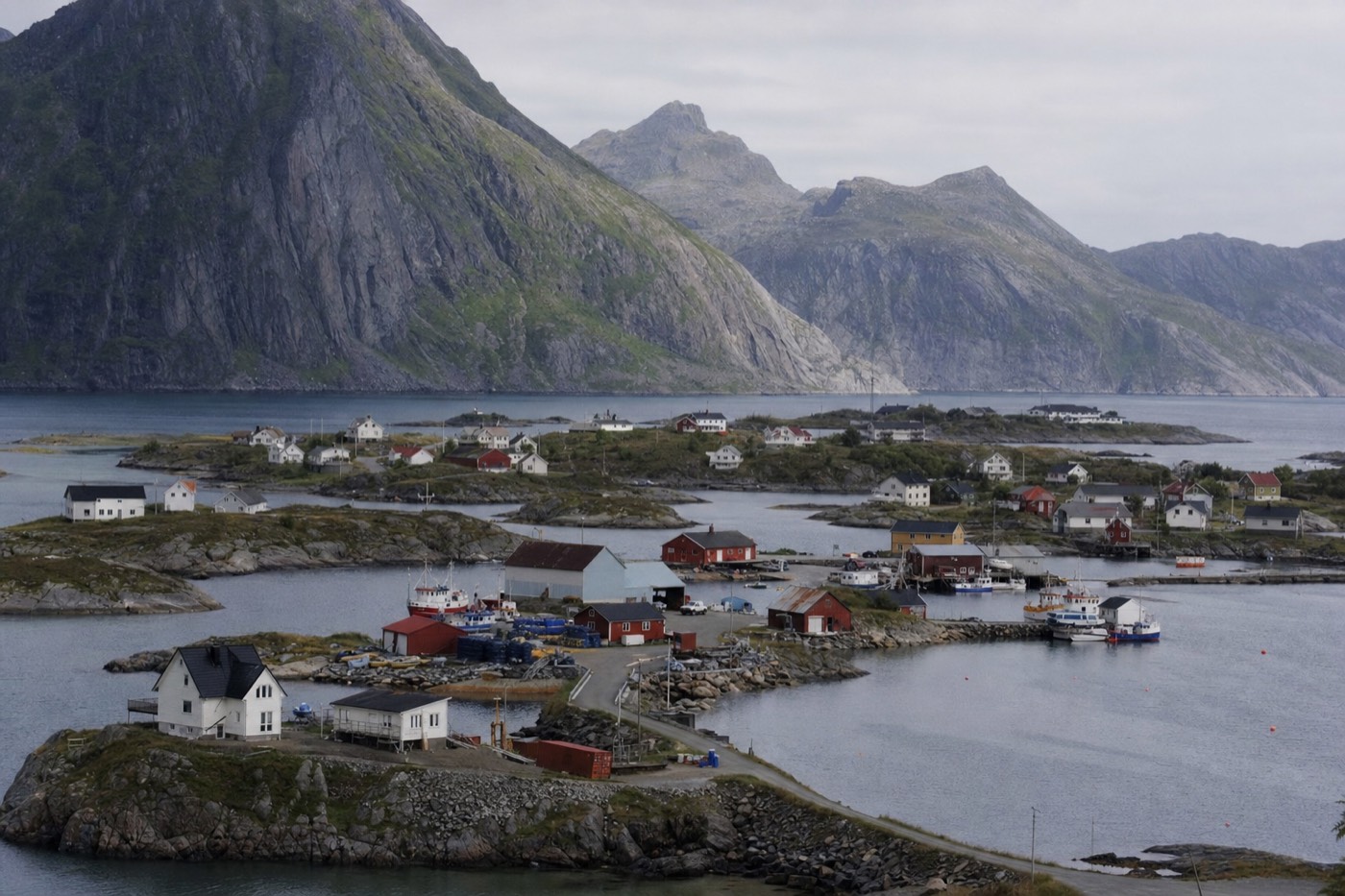
The drone photo of a tiny green football pitch surrounded by open ocean has done more to put Henningsvær on international radar than anything else about the village. That is a fair introduction, but a narrow one; the pitch is one feature of a real, still-working fishing settlement with its own climbing scene, festival calendar and harbour life.
Henningsvær at a glance
Figures from Visit Lofoten's own Henningsvær page and the village's recorded history.
For a guided option: Discover Henningsvær and Svinøya history tour
What is Henningsvær, really?
Henningsvær is a fishing village of roughly 500 permanent residents built across a tight cluster of small islands, chiefly Heimøya and Hellandsøya, off the southern coast of Austvågøya, covering a total land area of only about 0.3 square kilometres, which is exactly why the whole village reads as a dense, walkable maze of narrow streets rather than a spread-out town. The first recorded reference to the settlement dates to 1556, with the name "Henning" appearing in records from 1567, giving the village nearly five centuries of documented history as a working fishing community.
Where is it, and how do you get there?
Henningsvær sits a short but genuine detour off the main E10, on a side road that branches south from around the Svolvær-to-Leknes stretch, roughly 20 to 25 kilometres and a 25 to 30 minute drive from Svolvær itself. It is not directly on the main highway, unlike Hamnøy or Flakstad, so reaching it always requires a deliberate turn rather than a stop on a route you were already driving.
| From | Distance | Notes |
|---|---|---|
| Svolvær | ~20-25 km, ~25-30 minutes | The closest major town; the E10 turn-off is well signed |
| Leknes Airport | ~45-50 km, ~50-60 minutes | Further, but still a realistic day-trip distance |
| Kabelvåg | ~15 km, ~20 minutes | A common combined stop on the same drive out from Svolvær |
What is the story behind the famous football pitch?
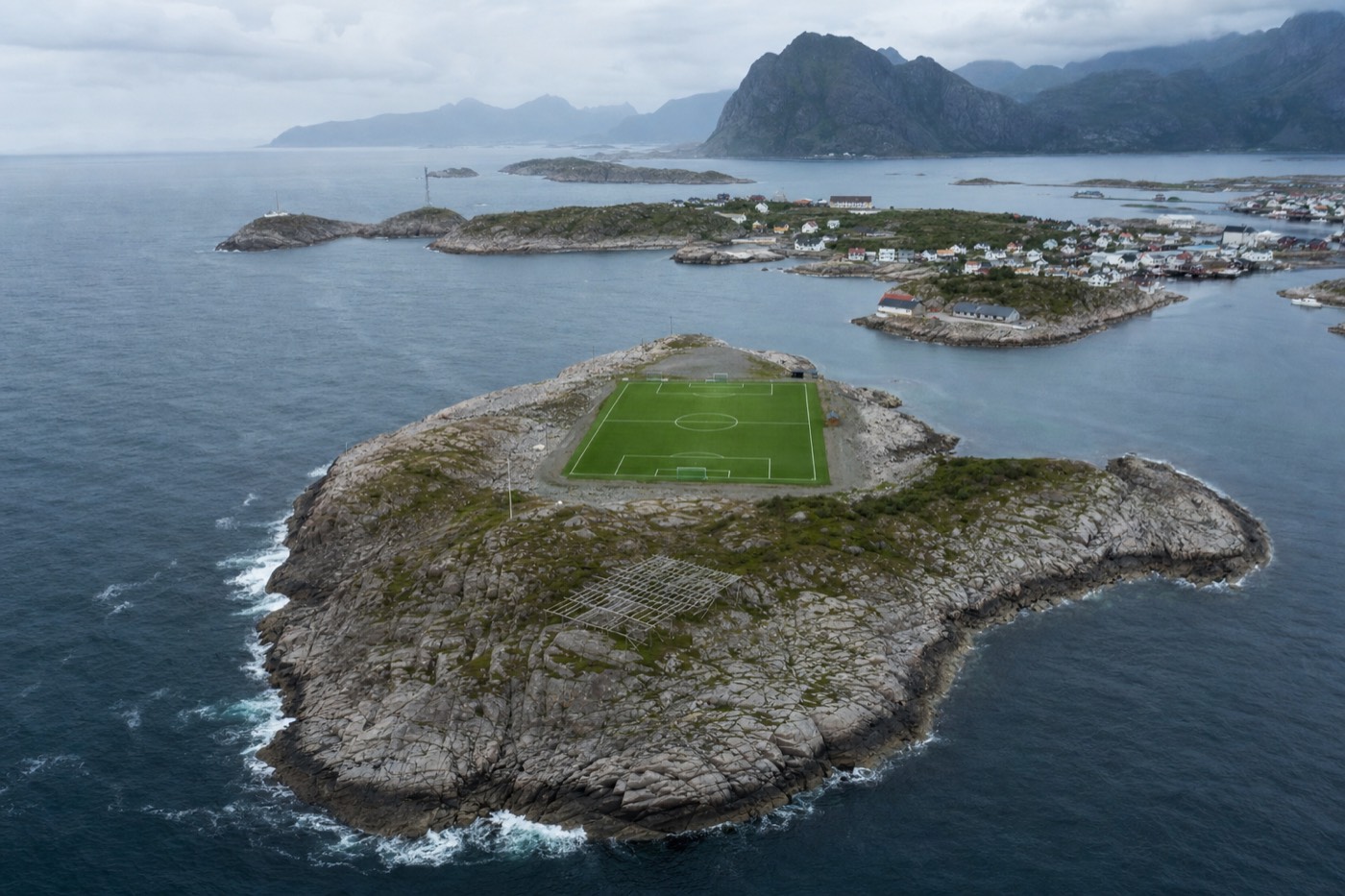
Henningsvær Stadion sits at the southern end of Hellandsøya island, a vivid green artificial-turf rectangle with rocky outcrops and open sea on three sides, holding around 500 spectators at capacity, home to Henningsvær IL, the local sports club founded in 1927. The pitch existed as an ordinary, if geographically extraordinary, local sports ground for decades before drone photography turned it into an internationally shared image; it hosted a pre-UEFA Champions League final commercial shoot and was picked by UEFA as one of a small set of locations for a global "Play Anywhere" campaign, evidence of how far its reach has travelled from a village of 500 people.
| Fact | Detail |
|---|---|
| Location | Southern end of Hellandsøya island |
| Surface | Artificial turf |
| Capacity | Roughly 500 |
| Home club | Henningsvær IL, founded 1927 |
| Best viewing angle | An elevated viewpoint above the village; the ground-level view is far less dramatic than the aerial shot most visitors expect |
Worth setting expectations honestly: at ground level, the pitch reads as a normal, well-kept local football ground. The image that made it famous is an aerial one; without a drone or an elevated vantage point, most visitors find the pitch itself a modest, brief stop rather than the dramatic scene from social media.
Is Henningsvær still a real working fishing village?
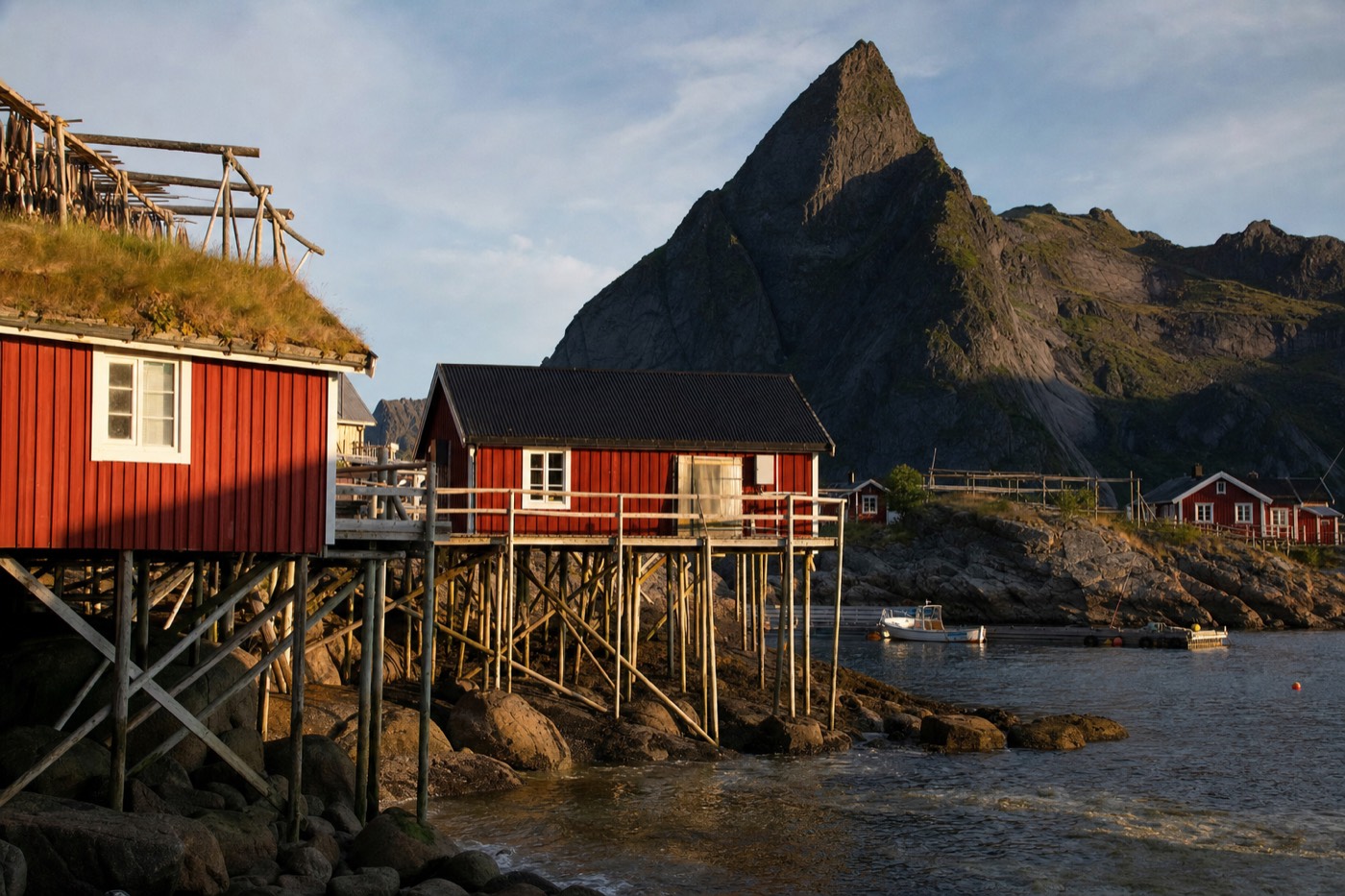
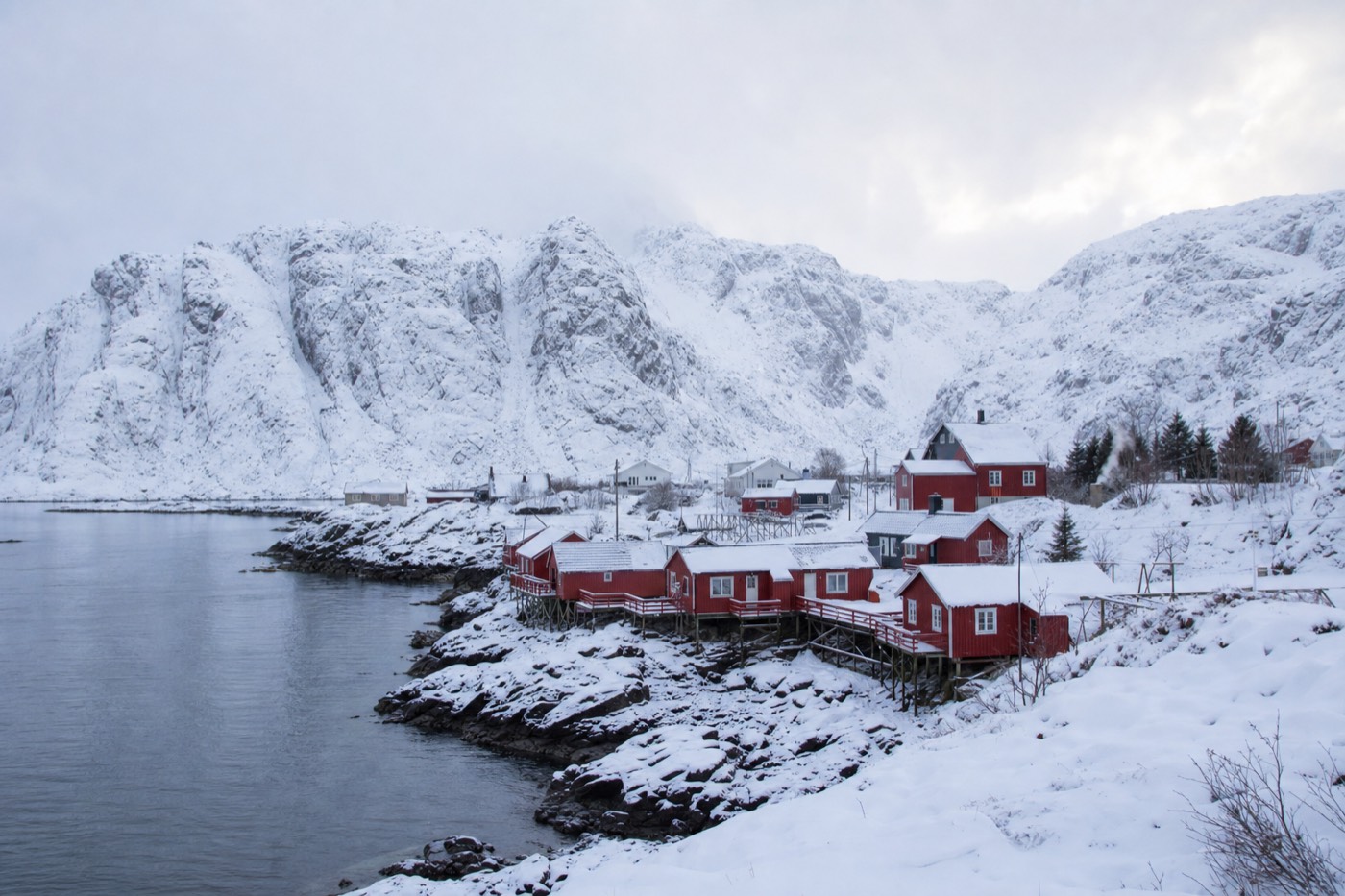
Yes, genuinely so: February and March mark the Lofoten fisheries season here as much as anywhere else in the archipelago, with real fishing boats delivering their catch at the pier and visible working life around the harbour, not a preserved or staged version of it. This is the same seasonal cod fishery, the Lofotfisket, that shapes the whole region's winter economy, and Henningsvær's harbour is one of the more accessible places to actually see it happening rather than read about it.
What draws climbers here specifically?
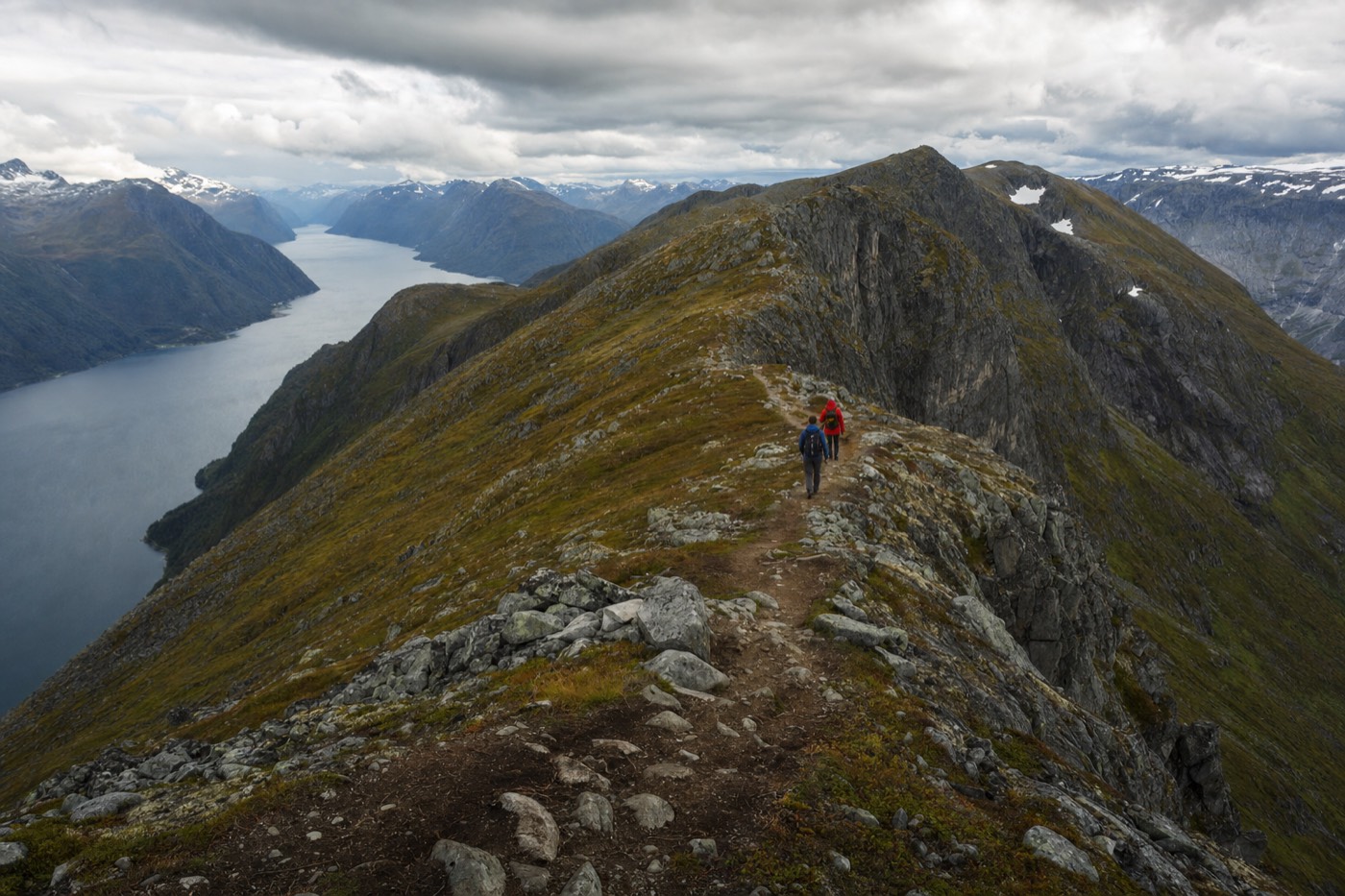
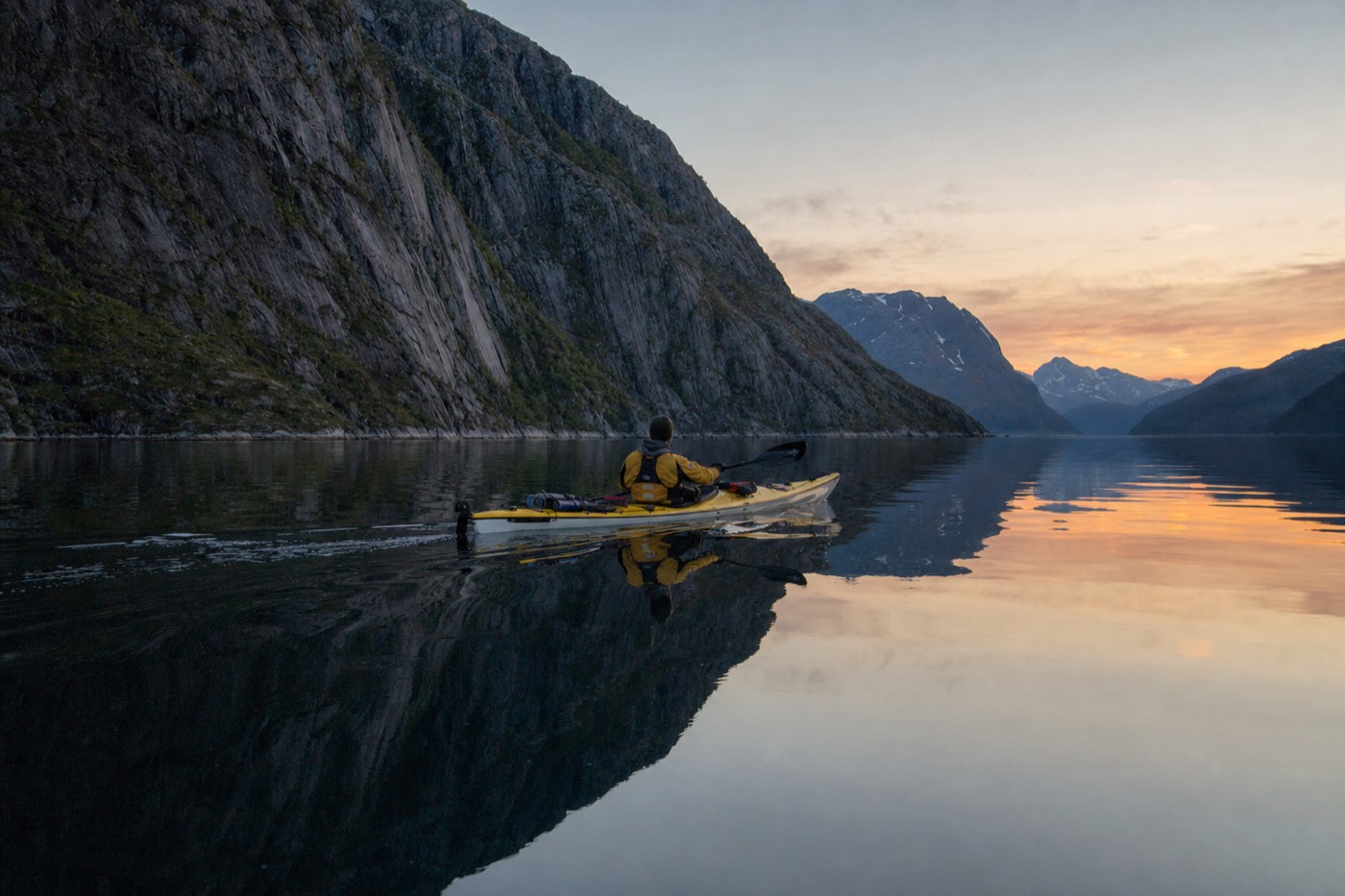
Henningsvær is also a genuine climbing destination, drawing climbers from well beyond Norway to the big granite walls in the surrounding area, a niche but real reason some visitors build a multi-day stay around the village rather than a passing stop. Snorkelling and RIB-boat exploration of the surrounding skerries, the scattered small rocky islets typical of this coastline, are the other activity draws locals and repeat visitors mention alongside climbing.
| Who comes here, and why |
|---|
| Photographers, for the football pitch and the general village character |
| Climbers, for the big granite walls in the surrounding area |
| Fishing-season visitors, for the real February-March harbour activity |
| Festival-goers, for the summer music and arts calendar (below) |
| General travellers, for the shops, restaurants and walkable village character the harbour offers |
What festivals happen in Henningsvær?
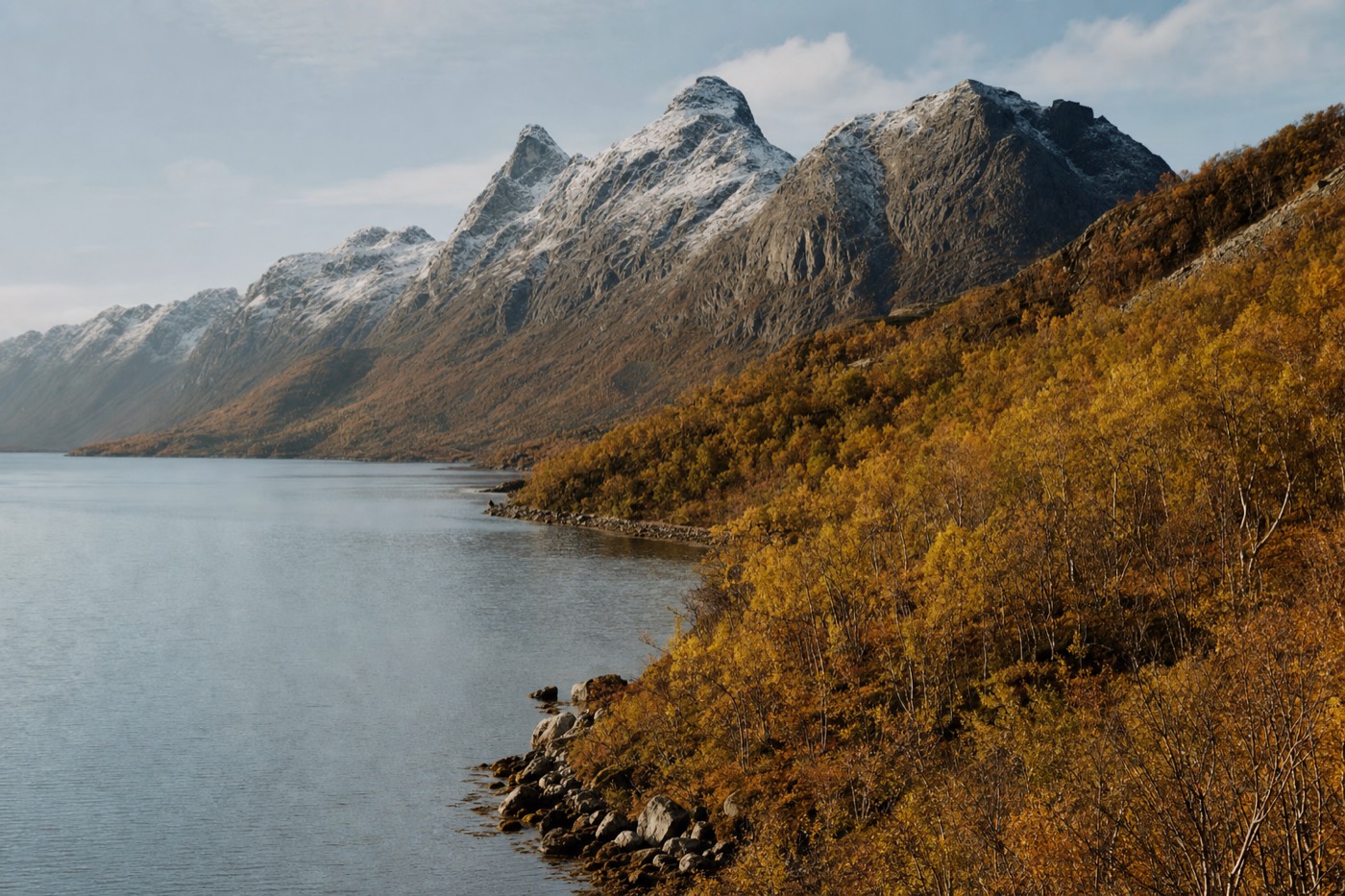
Two real annual events anchor the summer calendar: Trevarefest, a music and arts festival held at Trevarefabrikken (the old wood-processing factory building) that combines live music, art installations and local food, and Codstock, a rock and blues festival that leans into the region's fishing heritage in its name. Both draw a mix of local and international performers and give the village a genuinely different, livelier character for their specific dates than the quieter working-harbour atmosphere most of the year.
| Festival | Genre | Venue |
|---|---|---|
| Trevarefest | Music and arts, summer | Trevarefabrikken |
| Codstock | Rock and blues | Around the village |
Exact dates shift year to year; check current festival schedules directly before building a trip around either one, since neither runs on a fixed calendar date.
Where do you park, and what should you know about getting around?
Park at one of the larger lots at the edge of the village and walk in: Henningsvær's internal roads are genuinely narrow, built for a small fishing settlement long before cars, and driving deep into the village centre is both impractical and, per the destination's own visitor guidance, actively discouraged. The whole village is compact enough that walking from the outer parking areas to the harbour, the shops and the pitch viewpoint takes only a few minutes.
| Consideration | Detail |
|---|---|
| Where to park | The larger lots at the village edge, not the narrow interior streets |
| Village layout | Compact, walkable, built across several connected islets |
| Shops and restaurants | Concentrated around the harbour |
| Typical visit length | 1-2 hours for a walking visit; longer for climbing, festivals or a boat trip |
When is the best time to visit?
Each season genuinely changes the character of the village, per Visit Lofoten's own description: winter brings the working fishing season and quieter tourism, summer brings festivals, longer light and more visitors, and the shoulder seasons split the difference. There is no single wrong time; the honest advice is to match the season to what you actually want, harbour fishing activity, festival energy, or a quieter walk with fewer other visitors.
What mistakes do first-time visitors make?
| Mistake | Fix |
|---|---|
| Expecting the ground-level pitch to look like the drone photo | Set expectations: the famous view needs elevation or a drone; ground level is a modest, ordinary-looking pitch |
| Driving into the narrow village centre | Park at the edge lots and walk in instead |
| Treating it purely as a photo stop | Budget time for the harbour, shops and the working fishing-village atmosphere |
| Assuming festivals run on fixed dates every year | Check Trevarefest and Codstock's current schedules before planning around them |
What time of day works best for a visit?
Mid-morning to early afternoon suits the harbour and shopping side of a visit, when boats and shops are active, while late afternoon into evening light suits photography best, when the low sun catches the wharf buildings and the water calms; visiting purely for the football pitch view benefits from whatever hour gives the clearest sky, since the shot depends on light and visibility more than village activity. Unlike Hamnøy, which rewards a very specific narrow window, Henningsvær genuinely works across a wider span of the day because it offers more than one thing to do.
What is the dining and shopping scene actually like?
Small but genuine: the harbour area holds a cluster of shops, galleries and restaurants, several occupying converted fishing and wharf buildings, leaning toward local seafood given the village's working harbour right outside the door. This site does not book restaurants or make specific dining recommendations; the honest advice is to walk the harbour front and see what is open and busy on the day, since a small village's dining scene shifts more by season than a large town's does.
Are there photography spots beyond the football pitch?
Yes, and several locals argue the harbour itself is the more consistently rewarding subject: the dense cluster of wharf buildings, fishing boats and narrow channels between the islets photographs well at any time of day, without needing the elevation or drone access the football pitch shot requires. Evening light on the harbour, with boats reflected in still water between the buildings, is a genuinely different and arguably more accessible image than the aerial pitch shot most visitors arrive expecting.
| Spot | What makes it work |
|---|---|
| The harbour front | Working boats, wharf buildings and water, no elevation needed |
| Narrow channels between islets | Reflections and a genuine sense of the village's layered, water-threaded structure |
| The football pitch, from an elevated approach road | The closest most visitors get to the famous aerial angle without a drone |
How does Henningsvær combine with a Svolvær-based day?
Naturally: it sits close enough to Svolvær to combine with Kabelvåg and Gimsøya in a single half-day loop, exactly the route the Svolvær to Lofoten Highlights sightseeing tour runs, or it works as a standalone half-day trip if the fishing harbour and the pitch are the specific draw. Travellers heading further south toward Reine and Hamnøy typically treat Henningsvær as a detour on the way rather than a separate trip, since it sits close to the main E10 corridor most itineraries already follow.
Does Henningsvær get overcrowded in peak season?
Around the football pitch viewpoint specifically, yes, in July and August; the wider village absorbs visitors better than a single narrow viewpoint like Hamnøy's bridge, since the harbour, shops and streets spread people out rather than funnelling everyone to one small pull-off. Visiting outside the core midday hours of peak summer, or simply during the shoulder seasons, gives a noticeably calmer version of the same village without sacrificing much of what makes it worth the stop.
Is there anywhere similar nearby, if Henningsvær is busy?
Kabelvåg, a short drive back toward Svolvær, offers a comparable small fishing-village atmosphere with its own history and harbour, a reasonable alternative or complement if Henningsvær's peak-season crowds make a quieter stop more appealing. Neither village substitutes fully for the other; Kabelvåg lacks Henningsvær's specific football-pitch fame, but shares the same general working-harbour character. Pairing a quick stop in each, rather than treating them as competing options, gives a more complete sense of how these small Vågan Municipality fishing settlements differ from one another despite sitting only minutes apart. Henningsvær earns its reputation the honest way: not through a single viral photograph alone, but through a real village that happens to also contain one of the more unusual sports grounds anywhere in the world. Give it more than the ten minutes most itineraries budget, and it rewards that time with a genuinely different Lofoten experience than the road-trip villages further south. It is the rare famous photo spot where the reality holds up once you actually get out of the car and walk around.
Henningsvær rewards slowing down more than most single-photo destinations do. For the wider drive it sits along, see the E10 road trip guide; for the same working-fishing-village tradition told through Lofoten's food and history rather than a single village, see the fishing culture and heritage guide. Between the two, a visitor gets both the specific place and the wider story behind why that place looks and works the way it does.