Lofoten vs Senja, Vesterålen and the Faroe Islands
The short answer: Senja and Vesterålen sit right next to Lofoten in the same Norwegian region with genuinely similar peaks-from-the-sea scenery, while the Faroe Islands are a separate country entirely, further away and different in character. Each comparison shows up in real searches at similar low volume, so here is one honest answer to all three.
Booking choice: Connect fishing cabins, drying racks and village harbours through local stories. Discover Henningsvær and Svinøya history tour
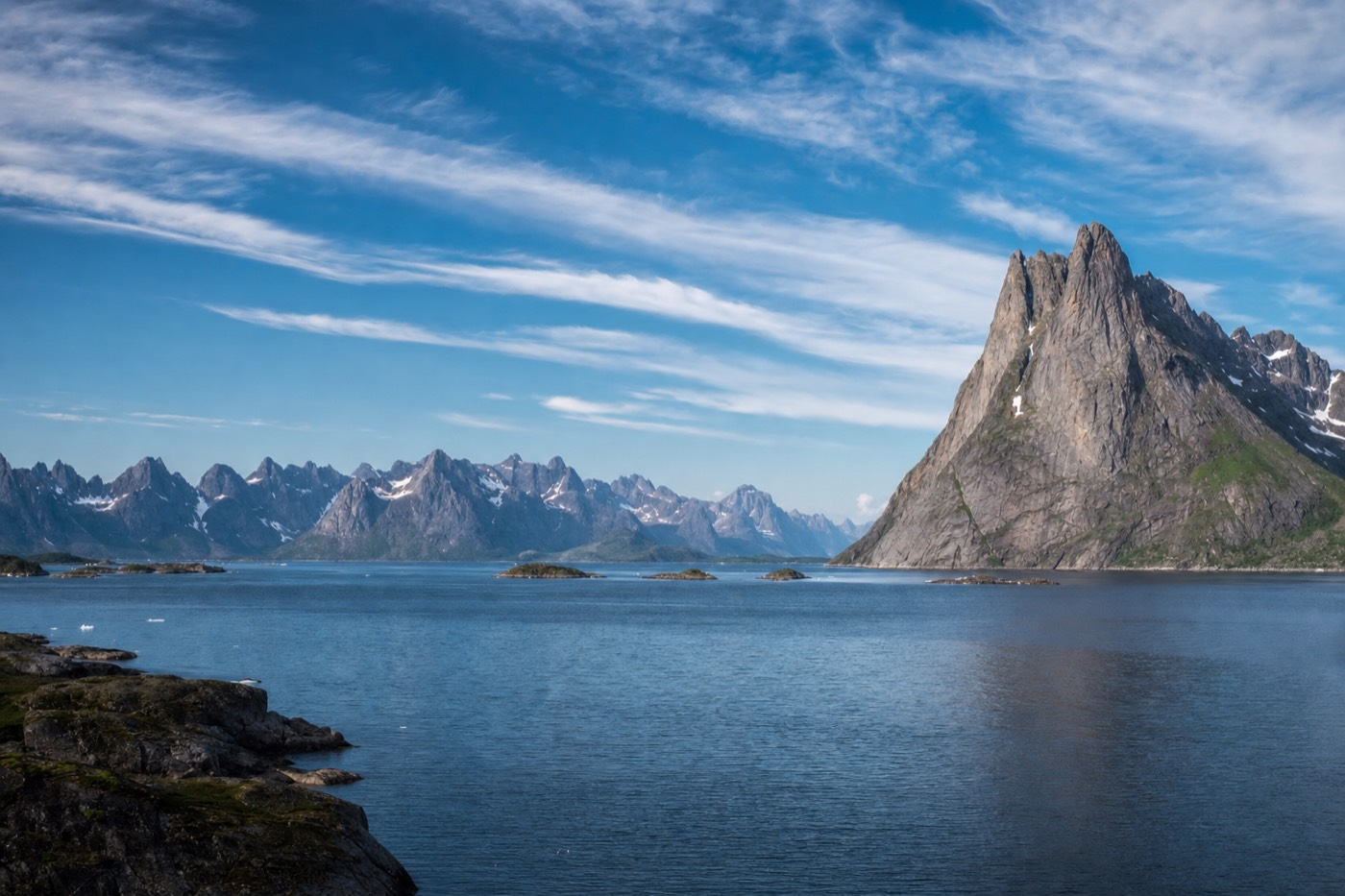
These four names get typed into the same search box for a reason: all four are dramatic, sparsely populated North Atlantic island landscapes with a reputation for punching well above their size on social media. The differences that actually matter for planning a trip are less about which looks best in a photo and more about geography, logistics and how developed each is for visitors.
Four destinations, side by side
A planning overview, not a ranking. Landscape character is genuinely subjective; logistics and access are the more objective differences.
For a guided option: Discover Henningsvær and Svinøya history tour
Why do people compare Lofoten to these three places specifically?
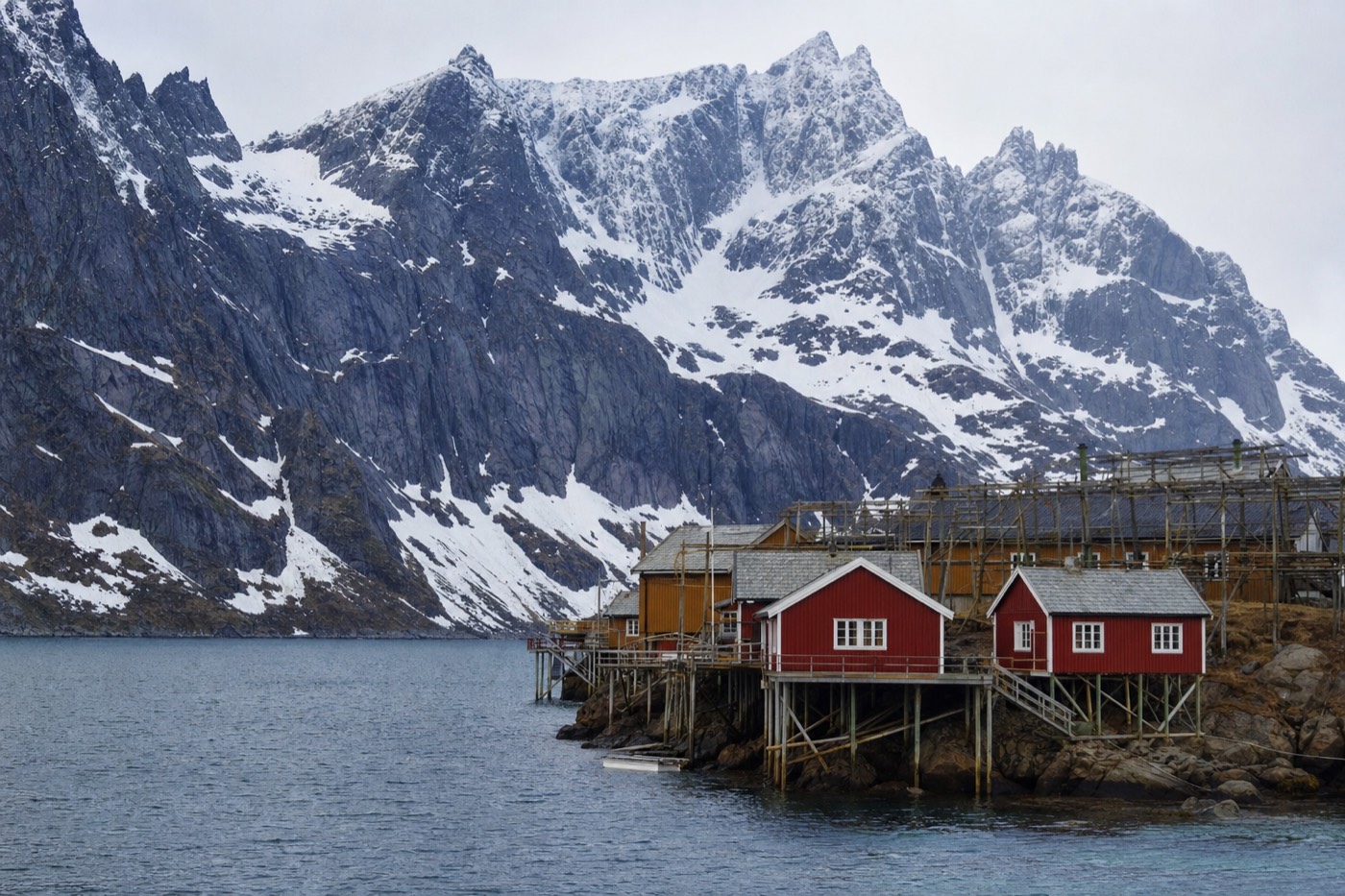
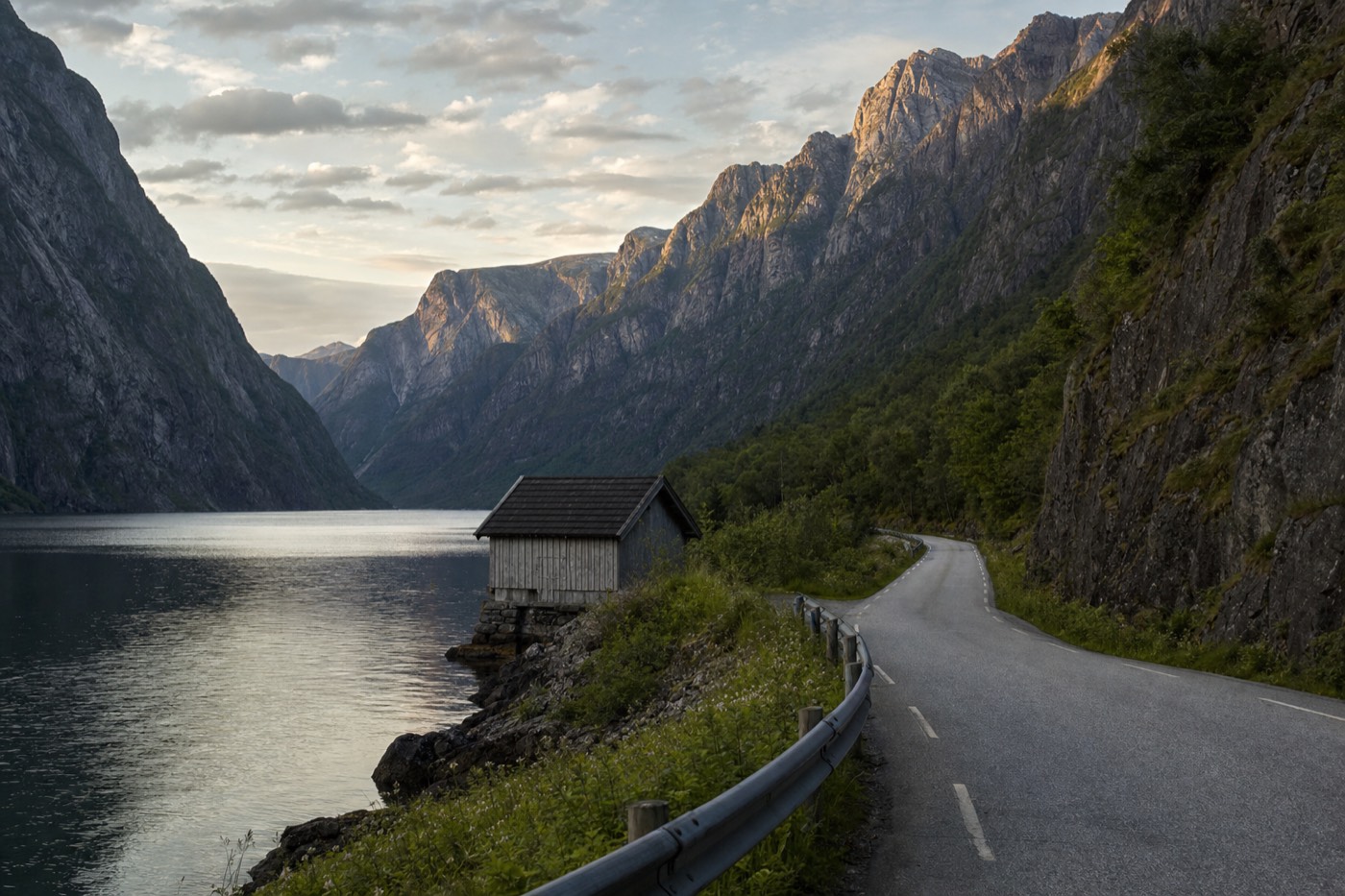
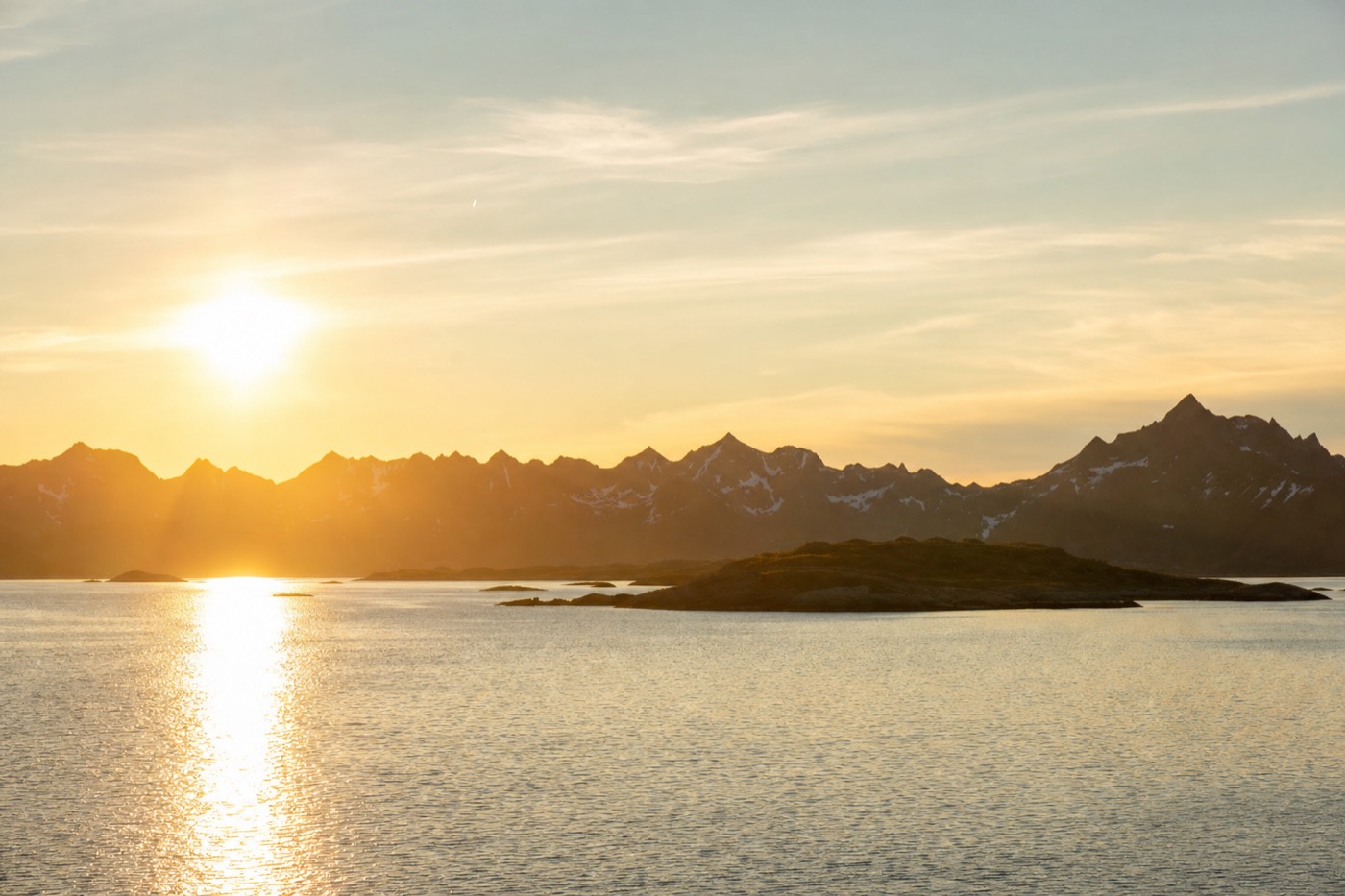
All four share a similar visual language, sheer mountains rising almost directly out of the sea, small fishing settlements, dramatic weather, and a reputation as a "hidden gem" that has become less hidden every year, which is exactly why travellers weighing a Norway or North Atlantic trip end up cross-checking Lofoten against its near neighbours and against the Faroe Islands specifically. The real distinctions are geographic and logistical, not simply "which is more beautiful," a comparison that is genuinely subjective and not one this guide claims to settle.
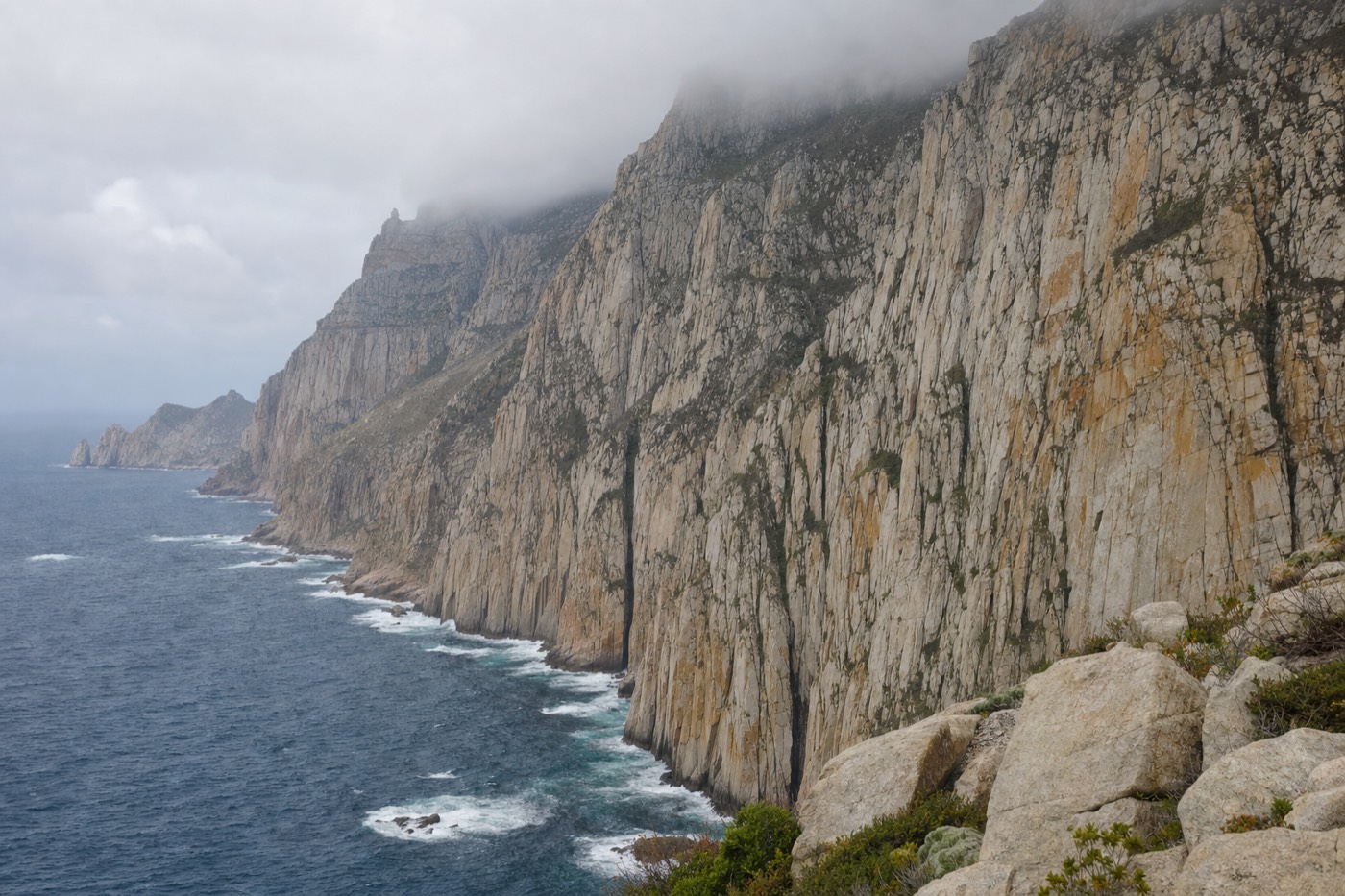
Lofoten vs Senja: which is the better-kept secret?
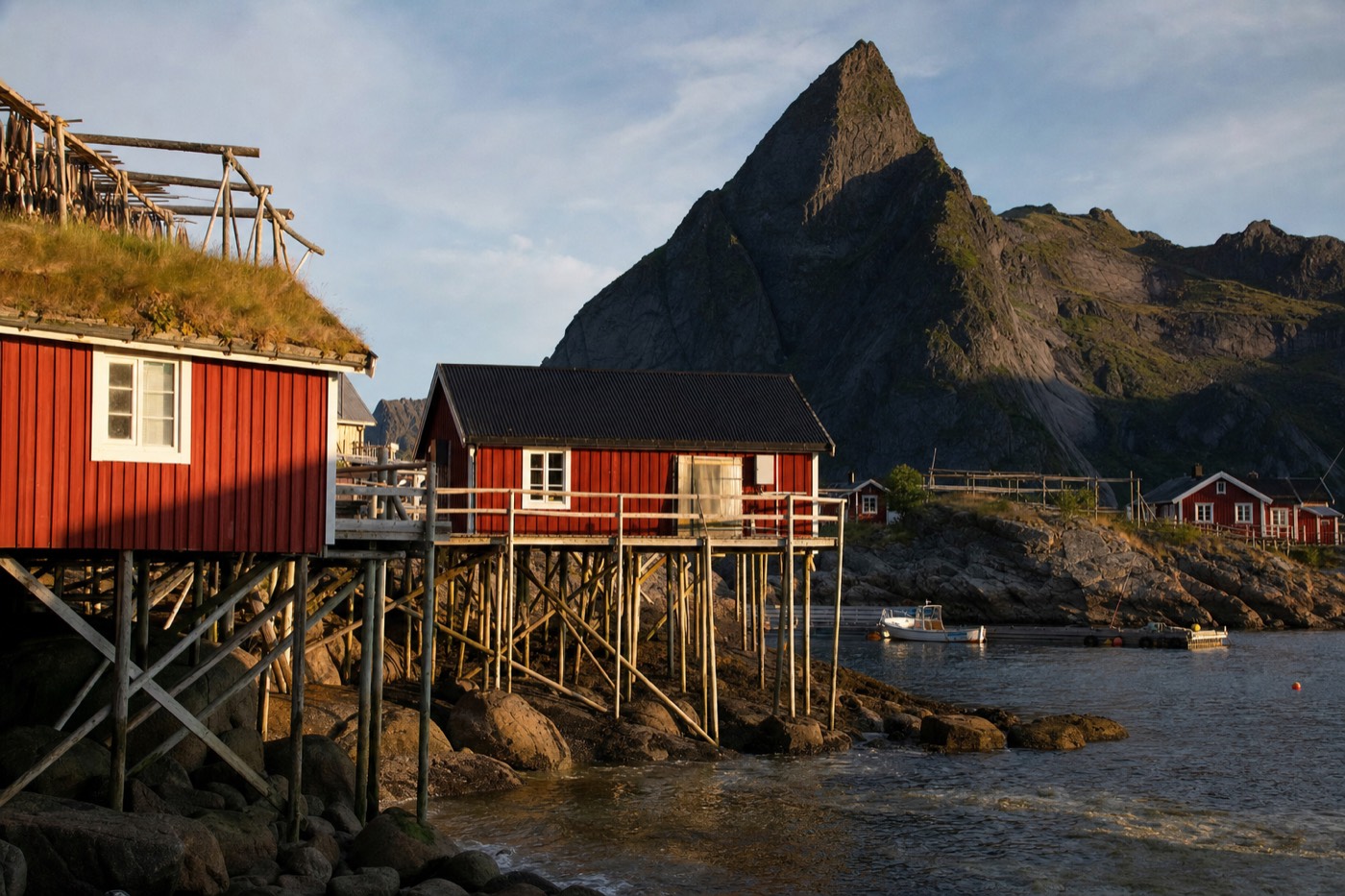
Senja, Norway's second-largest island, sits in Troms county south of Lofoten and offers a genuinely comparable scale of dramatic peaks-from-the-sea scenery, centred on the striking Segla mountain, with meaningfully less tourist infrastructure and fewer visitors than Lofoten's most photographed spots. The trade-off runs in the obvious direction: Lofoten's bridge-connected chain of fishing villages, established boat and hiking operators, and dense concentration of specific named viewpoints (Hamnøy, Reinebringen, Henningsvær) give it a level of visitor-readiness Senja does not match in the same concentration.
| Lofoten | Senja | |
|---|---|---|
| Tourist infrastructure | Well developed: guided tours, marked trails, accommodation clusters | Thinner; more self-guided exploration required |
| Village character | A chain of distinct, bridge-connected fishing hamlets | More dispersed, fewer concentrated "postcard" villages |
| Crowd levels | Genuinely busy at named spots in peak summer | Noticeably quieter overall |
| Signature feature | The Reine/Hamnøy village-and-peak combination | Segla and Senja's fjord-and-mountain drives |
Lofoten vs Vesterålen: how different are two neighbours, really?
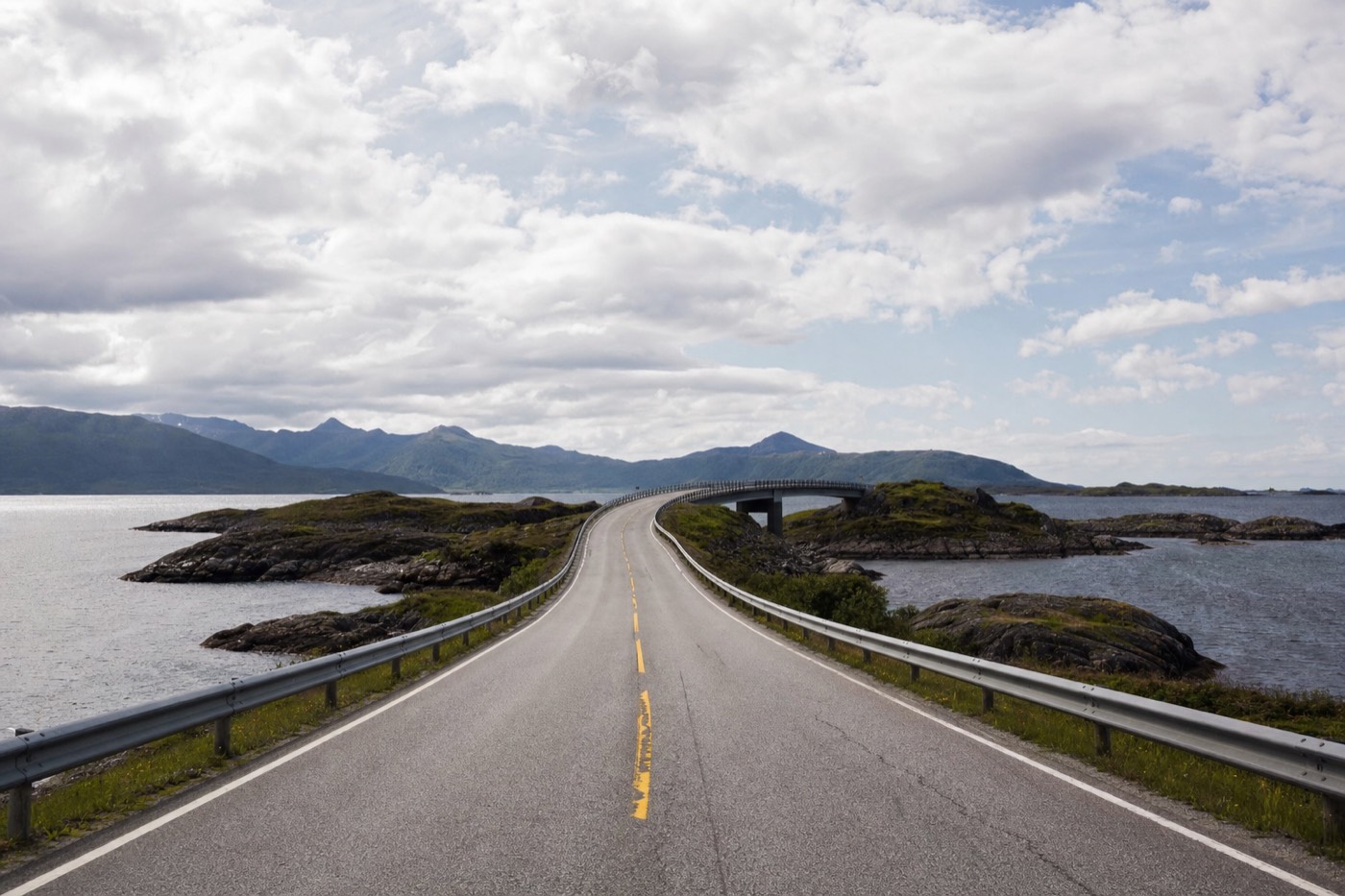
Vesterålen sits directly adjacent to Lofoten, connected by the same E10/Lofast road corridor, sharing a similar Arctic archipelago landscape but with noticeably fewer visitors and a different signature draw: Andenes, at Vesterålen's northern tip, is one of Norway's original and best-known whale-watching bases. Because the two regions are physically connected by road, this comparison is less "either/or" than the others; a genuinely large share of visitors combine both in a single longer trip rather than choosing exclusively one.
| Lofoten | Vesterålen | |
|---|---|---|
| Connection to the other | Directly road-connected via the E10/Lofast corridor | Same corridor, the natural next stop north |
| Crowd levels | Busier at the well-known spots | Quieter, less concentrated tourism |
| Signature feature | Reinebringen, Hamnøy, Trollfjord | Andenes whale watching, Stø |
| Best approach | A destination in its own right | Often an extension onto a Lofoten trip, not a standalone one |
Lofoten vs the Faroe Islands: how different is the actual trip?
The Faroe Islands are not part of Norway at all: they are a self-governing territory within the Kingdom of Denmark, in the North Atlantic between Norway, Iceland and Scotland, with a genuinely different landscape character, volcanic, largely treeless, defined by turf-roofed villages and sheep-dotted cliffs rather than Lofoten's granite peaks and rorbu cabins. Reaching the Faroes means a separate international trip, typically flying via Denmark, Iceland or Scotland, with its own currency and travel logistics distinct from mainland Norway; treat any Lofoten-versus-Faroes decision as choosing between two different countries and trip types, not two variants of the same holiday.
| Lofoten | Faroe Islands | |
|---|---|---|
| Country | Norway | Kingdom of Denmark (self-governing) |
| Landscape character | Sharp granite peaks, fishing villages, midnight sun and aurora seasons | Volcanic, treeless, turf-roofed villages, dramatic sea cliffs |
| Getting there | Via mainland Norway (Oslo/Bodø connections) | A separate international trip, typically via Denmark, Iceland or Scotland |
| Combinable with a Norway trip? | — | Not directly; logistically a separate destination |
Which of the three is easiest to actually combine with a Lofoten trip?
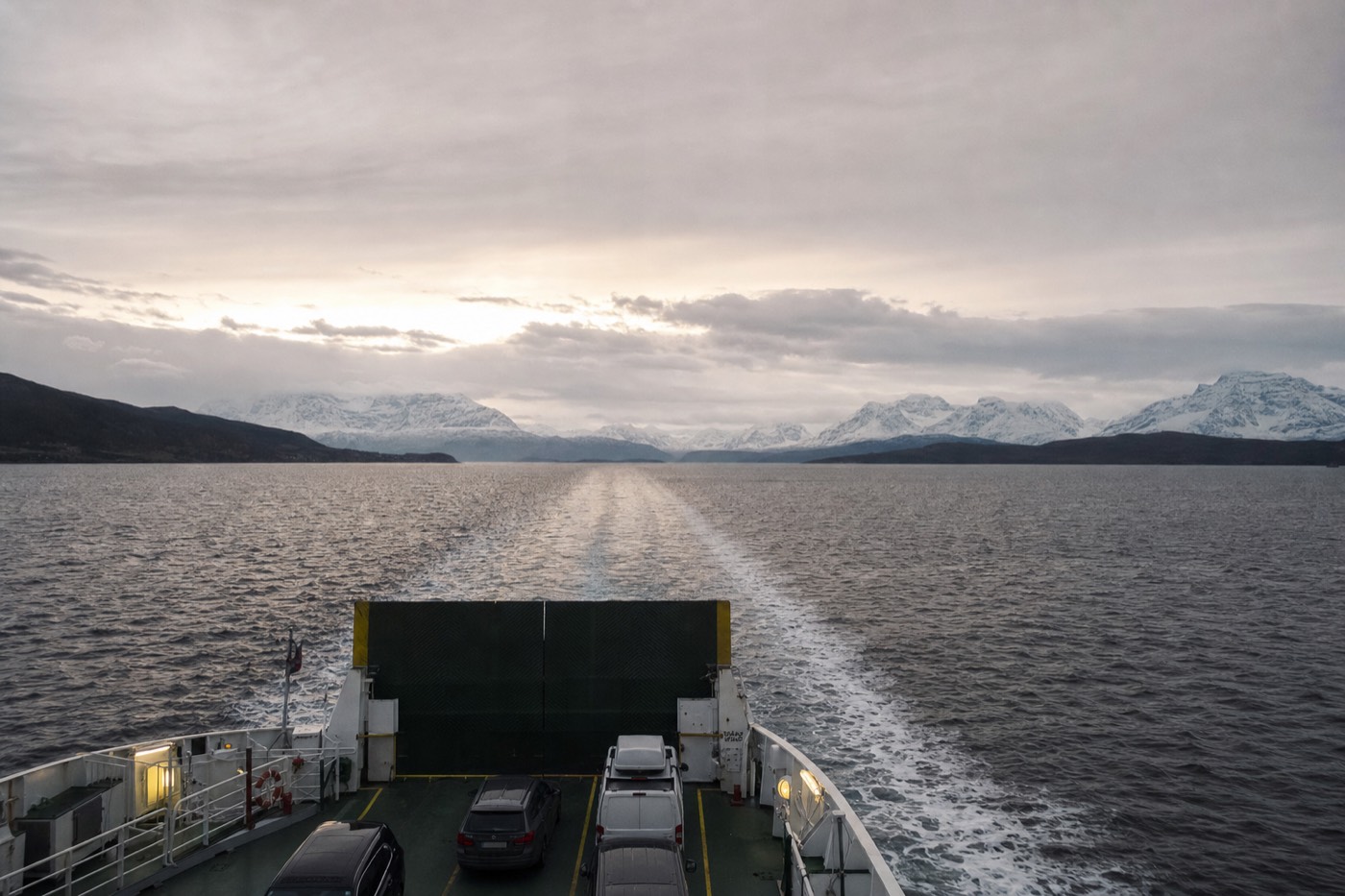
Vesterålen, by a wide margin: the direct road connection means adding a few days there onto an existing Lofoten itinerary requires no extra flights, ferries or border logistics, just more driving on largely the same corridor, while Senja requires a separate ferry or a longer drive around, and the Faroe Islands require an entirely separate international trip.
| Destination | How to combine with Lofoten | Extra logistics required |
|---|---|---|
| Vesterålen | Continue north on the same E10/Lofast road corridor | Minimal, more driving days only |
| Senja | A separate ferry crossing or a longer drive around via the mainland | Moderate, a genuine side trip |
| Faroe Islands | Not practically combinable | A wholly separate international trip |
So which one should you actually pick?
If a single well-organised Arctic Norway trip with strong guided-tour infrastructure and iconic, easily reached viewpoints is the goal, Lofoten remains the strongest single choice of the four; if quieter, less developed scenery in the same general style is the priority and you already have extra days, Senja or Vesterålen extend naturally from a Lofoten base; and if an entirely different, volcanic North Atlantic landscape is what you actually want, the Faroe Islands are worth planning as their own separate trip rather than folding into a Norway itinerary. None of these is a wrong answer; they solve different travel questions.
| If you want... | Choose |
|---|---|
| The most tour-ready, best-known version of this landscape | Lofoten |
| A quieter version of the same dramatic scenery, added onto a Lofoten trip | Senja or Vesterålen |
| Whale watching as a specific priority | Vesterålen (Andenes) |
| A genuinely different, volcanic North Atlantic island trip | The Faroe Islands, planned separately |
How do the four compare on general cost and logistics?
Lofoten and Vesterålen share broadly similar Norwegian pricing for accommodation, food and fuel, since both sit within the same national economy and tourism market; Senja runs comparably, if with fewer commercial options overall to compare against; the Faroe Islands, as a separate territory with its own smaller tourism economy, can carry different, sometimes higher, per-visitor costs simply due to lower supply and a more remote logistics chain. None of these differences are large enough to be the deciding factor on their own; trip length, flight routing and accommodation choice affect the total cost of any of the four far more than the underlying destination.
| General cost level | Why | |
|---|---|---|
| Lofoten | Standard Norwegian pricing | Well-established tourism market with real competition among operators |
| Senja | Similar Norwegian pricing | Fewer commercial options overall to compare against |
| Vesterålen | Standard Norwegian pricing | Same national economy as Lofoten |
| Faroe Islands | Can run higher per visitor | Smaller, more remote tourism economy with less supply |
Do these destinations differ much in language or day-to-day culture?
Less than the geography might suggest: Norwegian is spoken across Lofoten, Senja and Vesterålen, with English widely understood in tourism-facing businesses in all three, while the Faroe Islands speak Faroese, a distinct North Germanic language, alongside Danish and, again, widely understood English in tourism contexts. Day-to-day, an English-speaking visitor will find getting by straightforward in all four; the practical language difference matters more for anyone hoping to read local signage or menus without translation than for basic travel logistics.
How do wildlife-watching opportunities differ?
Each destination leans toward a different signature species: Lofoten is best known among these four for sea eagles, particularly around Trollfjord, and for cod-related marine life tied to the skrei season; Vesterålen's Andenes is one of Norway's most established whale-watching bases; Senja offers similar coastal wildlife to Lofoten without a single standout specialty; and the Faroe Islands are known for large seabird colonies on their dramatic cliffs. A wildlife-first traveller choosing among the four should let the specific animal, eagles, whales, or seabirds, drive the decision more than general scenery.
| Destination | Signature wildlife draw |
|---|---|
| Lofoten | Sea eagles (Trollfjord), the seasonal skrei fishery |
| Senja | General coastal wildlife, no single standout specialty |
| Vesterålen | Whale watching, centred on Andenes |
| Faroe Islands | Large seabird cliff colonies |
How much trip time does each destination realistically need?
Lofoten rewards at least four to five days to cover its main villages, a hike and at least one boat trip properly, per this site's own itinerary guide; Senja and Vesterålen both work well as two-to-three-day additions onto a Lofoten trip rather than standalone week-long destinations; the Faroe Islands, given the separate international travel required to reach them, generally justify a longer standalone stay, closer to five to seven days, to make the extra travel effort worthwhile.
| Destination | Realistic minimum | Best treated as |
|---|---|---|
| Lofoten | 4-5 days | A standalone destination |
| Senja | 2-3 days | An extension onto a Lofoten or wider Norway trip |
| Vesterålen | 2-3 days | An extension onto a Lofoten trip |
| Faroe Islands | 5-7 days | Its own standalone international trip |
What does Lofoten specifically offer that the comparison tables don't fully capture?
The concentration: within a single roughly 170-kilometre stretch of road, Lofoten packs Reinebringen, Hamnøy, Henningsvær, Trollfjord and a genuinely wide spread of guided tours, from RIB safaris to kayaking to aurora hunts, into a distance that is realistically driveable and bookable inside a one-week trip, which is the practical advantage a "quieter, less developed" alternative cannot match regardless of how dramatic its individual viewpoints are. For visitors who specifically want that density, established infrastructure and easy access to guided experiences, Lofoten is built for exactly this trip.
Is one of these four objectively "better" than the others?
No, and any single ranking would be dishonest: each destination optimises for a different mix of accessibility, crowd levels and landscape character, and the right choice depends entirely on what a specific traveller is weighing, time available, appetite for self-guided exploration, and whether an entirely separate international trip fits the itinerary. The comparisons above are built to help make that specific decision, not to declare a winner. What all four genuinely share is real, and worth keeping in view through all this comparing: none of them is manufactured or overstated for marketing, each is a real, sparsely populated corner of the North Atlantic that earns its reputation on its own terms. The comparison is worth revisiting as your own trip planning firms up too; a decision that looks clear on paper, Lofoten for the infrastructure, Senja for the quiet, Vesterålen for the whales, the Faroes for something different entirely, sometimes shifts once real flight schedules, budgets and available days enter the picture. Whichever way that planning lands, all four remain genuinely worth the trip; the only real mistake is expecting one to substitute for another when the actual draw, more infrastructure, more quiet, more whales, or somewhere else entirely, was the whole point of choosing it. Search traffic for all three comparisons stays modest precisely because most travellers already have a strong instinct about which one fits their trip; this guide exists mainly to confirm that instinct with real, checkable facts rather than to talk anyone out of it. That is also why the honest closing note is not a ranking but a checklist: match the destination to the trip you actually want, verify the logistics that matter for your dates, and any of these four will deliver on what drew you to search for it in the first place. Getting that match right matters more to how the trip actually feels than any small difference in scenery this guide could claim between them.
Whichever comparison brought you here, the guided experiences on this site, RIB safaris into Trollfjord, scenic sightseeing loops, kayaking and more, are real, currently bookable Lofoten-based tours, not a generic regional package. For planning how to actually sequence a Lofoten visit once you've chosen it, see the itinerary guide.