How to Get to the Lofoten Islands
Three real ways in: fly to Leknes or Svolvær via Bodø, take the car ferry from Bodø to Moskenes, or drive the E10 all the way up from the mainland. Here is what each actually costs in time.
Booking choice: Visit southern fishing villages and Skagsanden with a driver and photography stops. Discover Reine, Hamnøy and Å photo tour
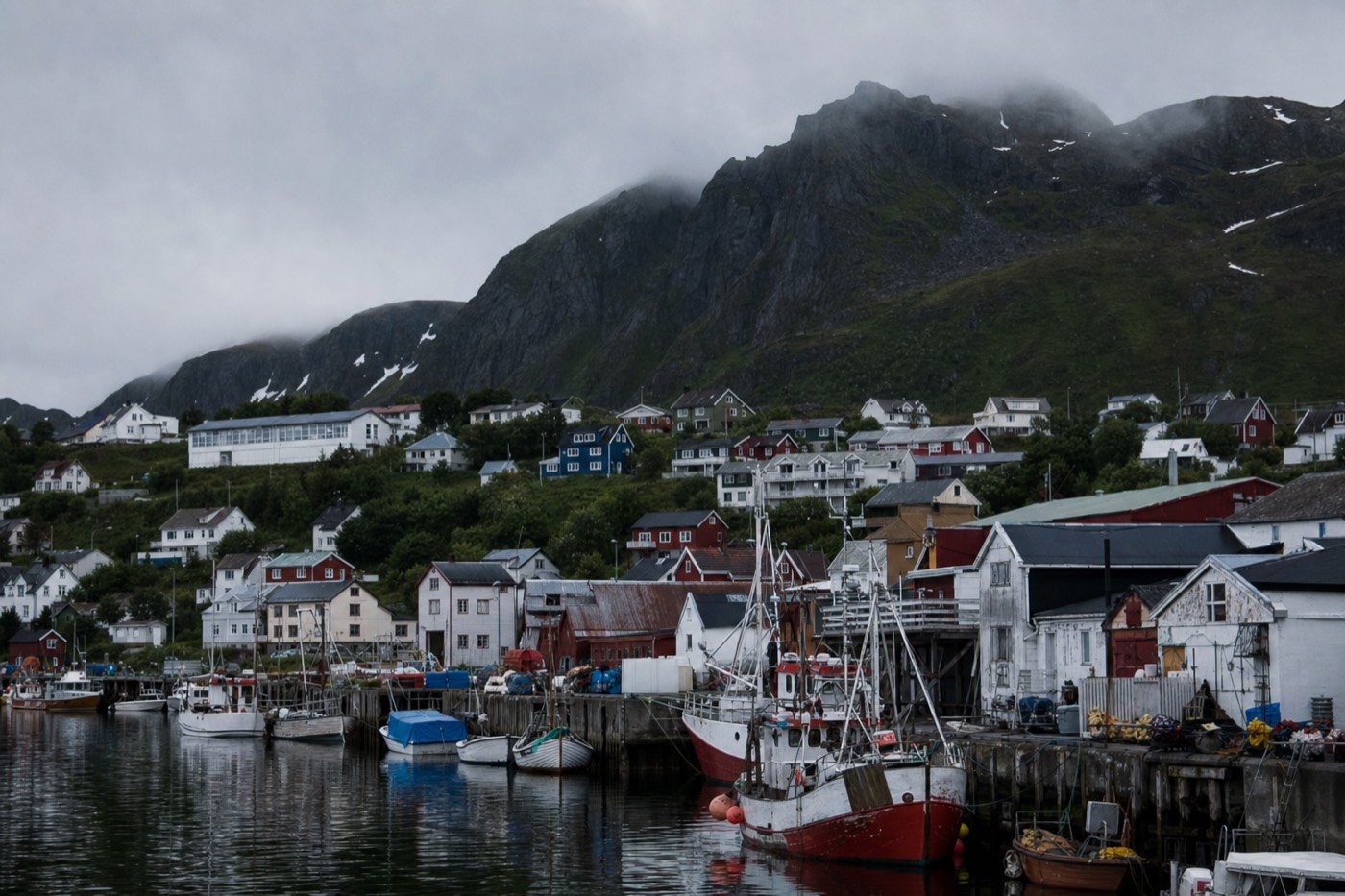
Lofoten is an archipelago off the northwestern coast of Norway, roughly 1,200 kilometres north of Oslo by road, connected to the mainland by a single highway, a car ferry and two small regional airports. There is no single "correct" way in: the right answer depends on whether you value speed, whether you want a car once you arrive, and how much of the journey you consider part of the trip.
Three routes in, compared
Journey times are door-to-door estimates from Oslo; actual connection times vary by carrier and season.
For a guided option: Discover Reine, Hamnøy and Å photo tour
What is the fastest way to reach Lofoten?
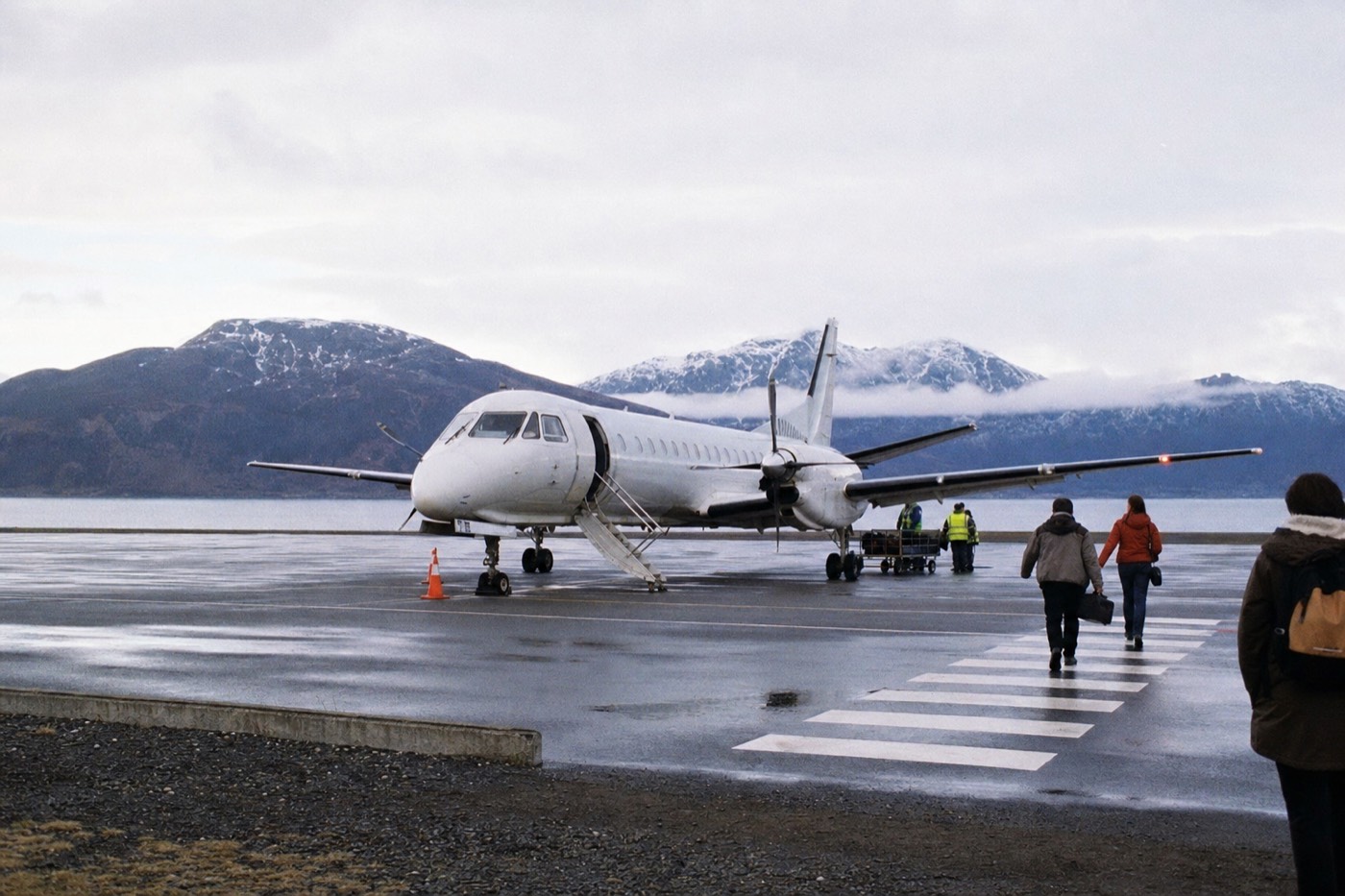
Flying is fastest by a wide margin: connect through Bodø (BOO) on a domestic leg to Leknes (LKN) or Svolvær (SVJ), both operated by Widerøe, and you can be on the islands within three to four hours of leaving Oslo, door to door. Both Leknes and Svolvær are Avinor-operated regional airports, small enough that you clear the terminal in minutes, not hours.
Leknes has the more frequent schedule, with several daily flights to and from Bodø. Svolvær's schedule is slightly thinner but puts you closer to the northern part of the archipelago, including Trollfjord departures. During the summer season Widerøe also runs some direct seasonal routes from Oslo and Bergen, cutting out the Bodø connection entirely, though these are not guaranteed year to year, so check the current schedule when booking.
What about the ferry?
The classic route is the car ferry between Bodø and Moskenes, a roughly three and a half hour crossing across open water that many travellers treat as part of the experience rather than a chore, since it delivers you straight to the southern, most scenic end of the archipelago. The route runs year-round, with a lighter winter schedule of one or two sailings a day and up to nine a day in the summer peak.
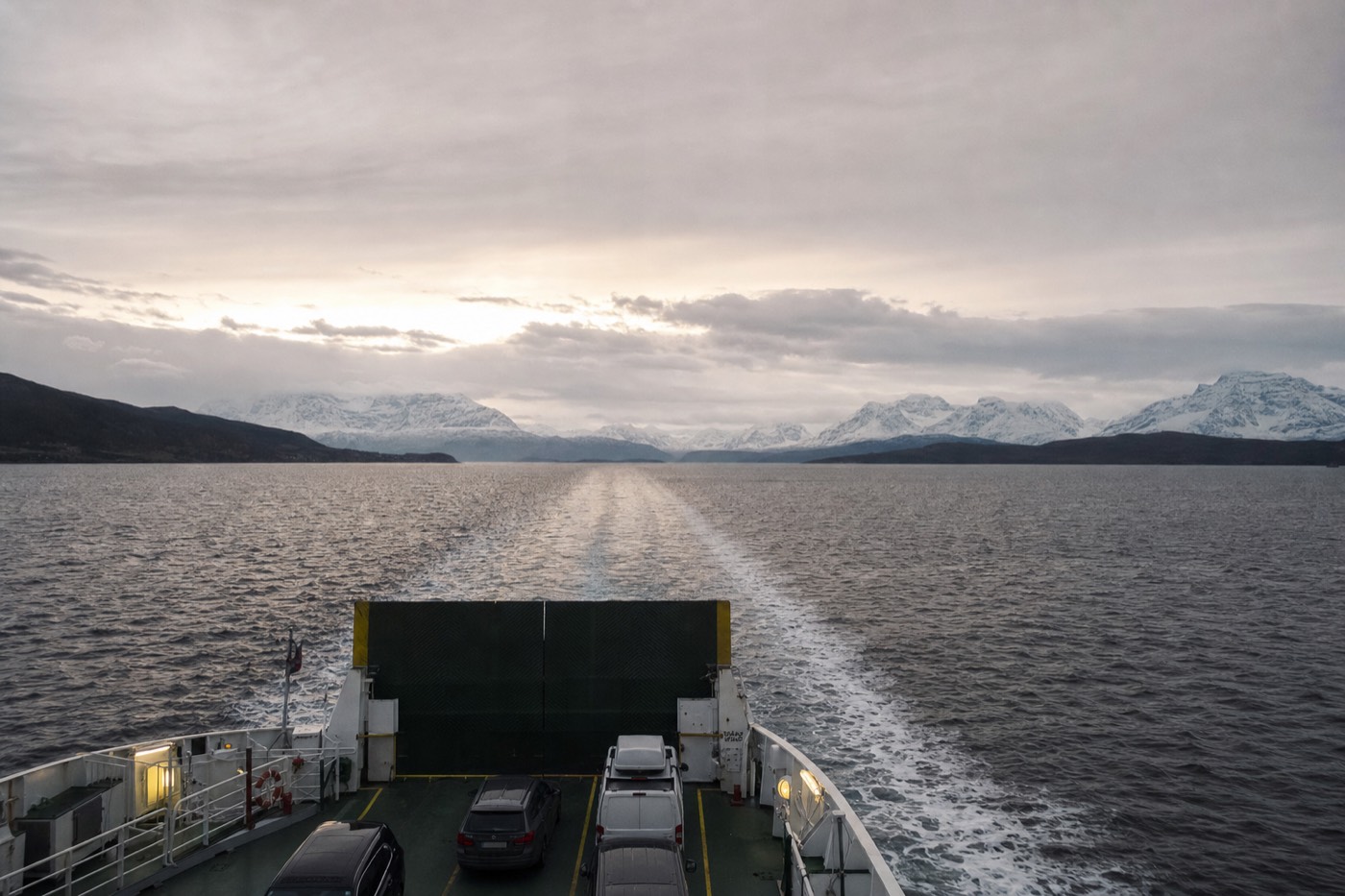
Pre-booking with a seat or vehicle guarantee is worth doing in summer: the crossing sells a portion of its capacity ahead of time, and turning up unbooked in July risks a long wait for the next sailing. Arriving at the dock at least 45 minutes before departure is the standard advice if you already hold a reservation.
| Route | Duration | Notes |
|---|---|---|
| Bodø to Moskenes (direct) | ~3.5 hours | The main year-round crossing, most sailings run this route |
| Bodø to Moskenes via Værøy and Røst | Longer, multiple stops | Scenic option if you also want to see Værøy or Røst |
Can you drive the whole way from Oslo?
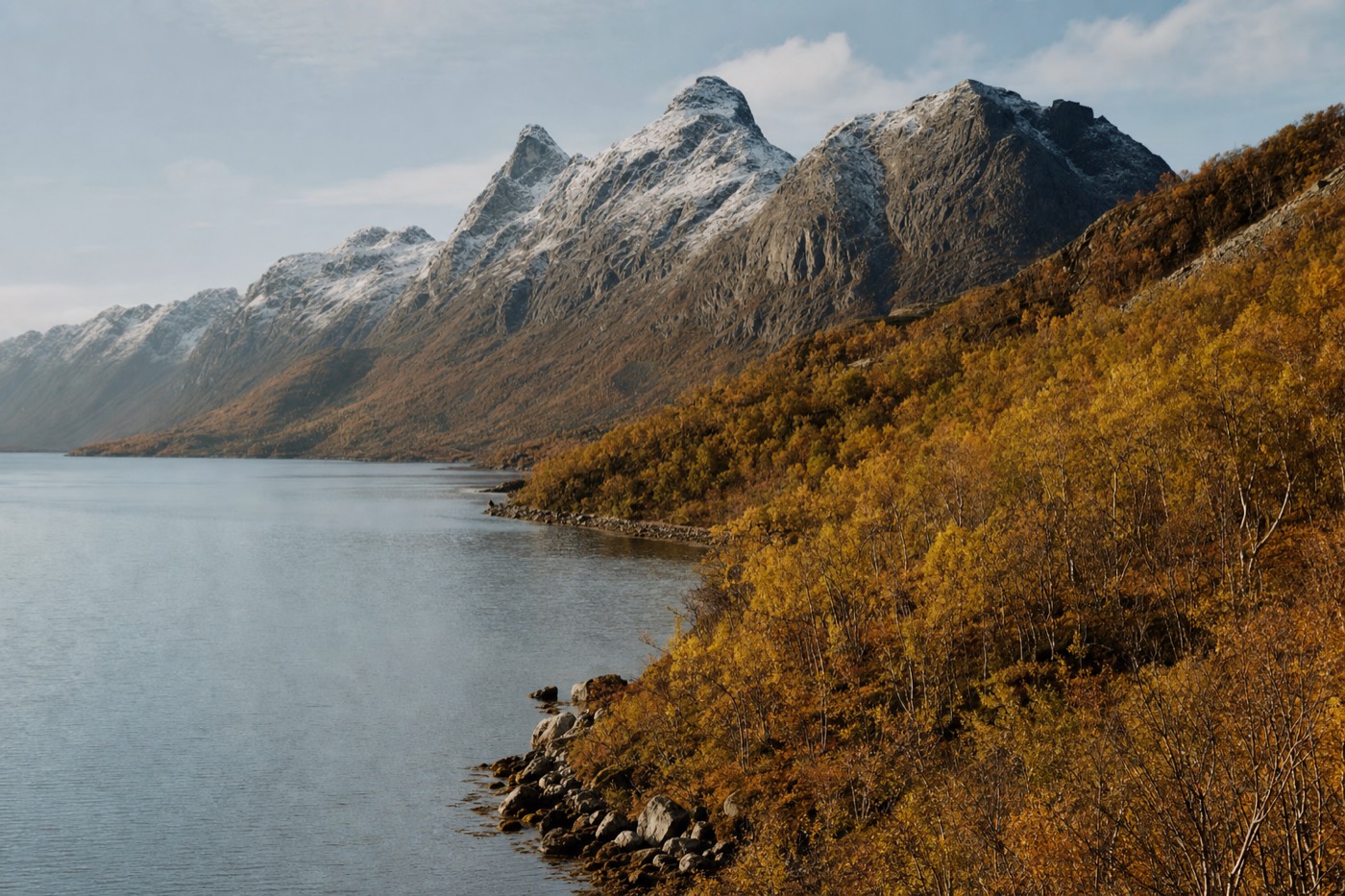
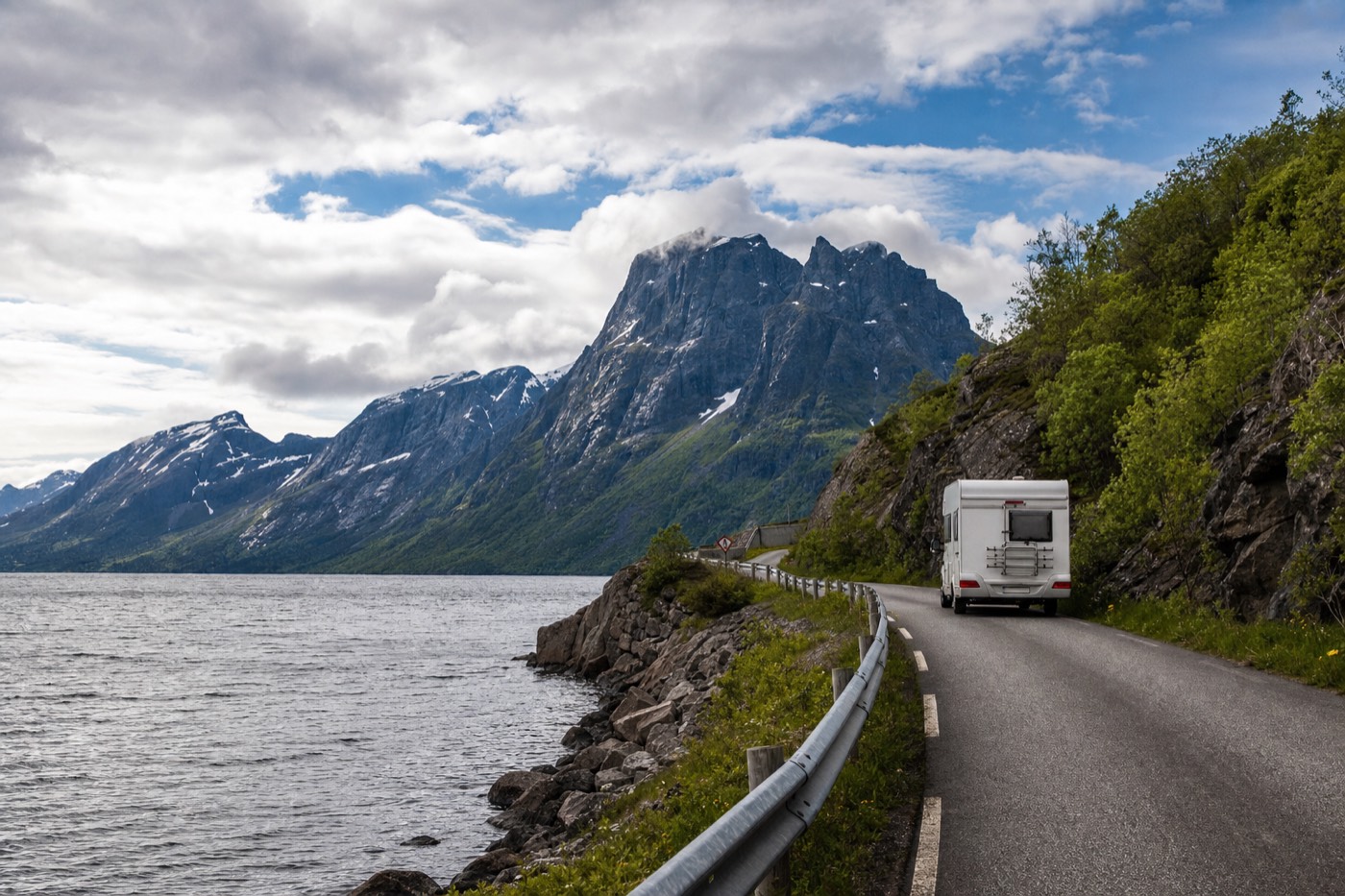
Yes, and it is a genuine road trip rather than a shortcut: the drive from Oslo to Svolvær via the E6 and E10 runs somewhere around 18 to 20 hours of pure driving time, which almost everyone splits over two or more days with an overnight stop, commonly around Trondheim or further north near Bodø. The E10, the road that actually threads the Lofoten archipelago itself, is a narrow, scenic two-lane highway that crosses a series of low bridges between the islands, so even the final stretch inside Lofoten takes longer than the map distance suggests.
Driving up gives you a car for the entire archipelago, which matters if your plan involves the Reinebringen hike, the beaches around Haukland and Uttakleiv, or any stop that is not walkable from a hotel. Most visitors who fly in instead rent a car at Leknes or Svolvær airport rather than skip a car altogether, since public transport on the islands themselves is thin.
Do you need a car once you are there?
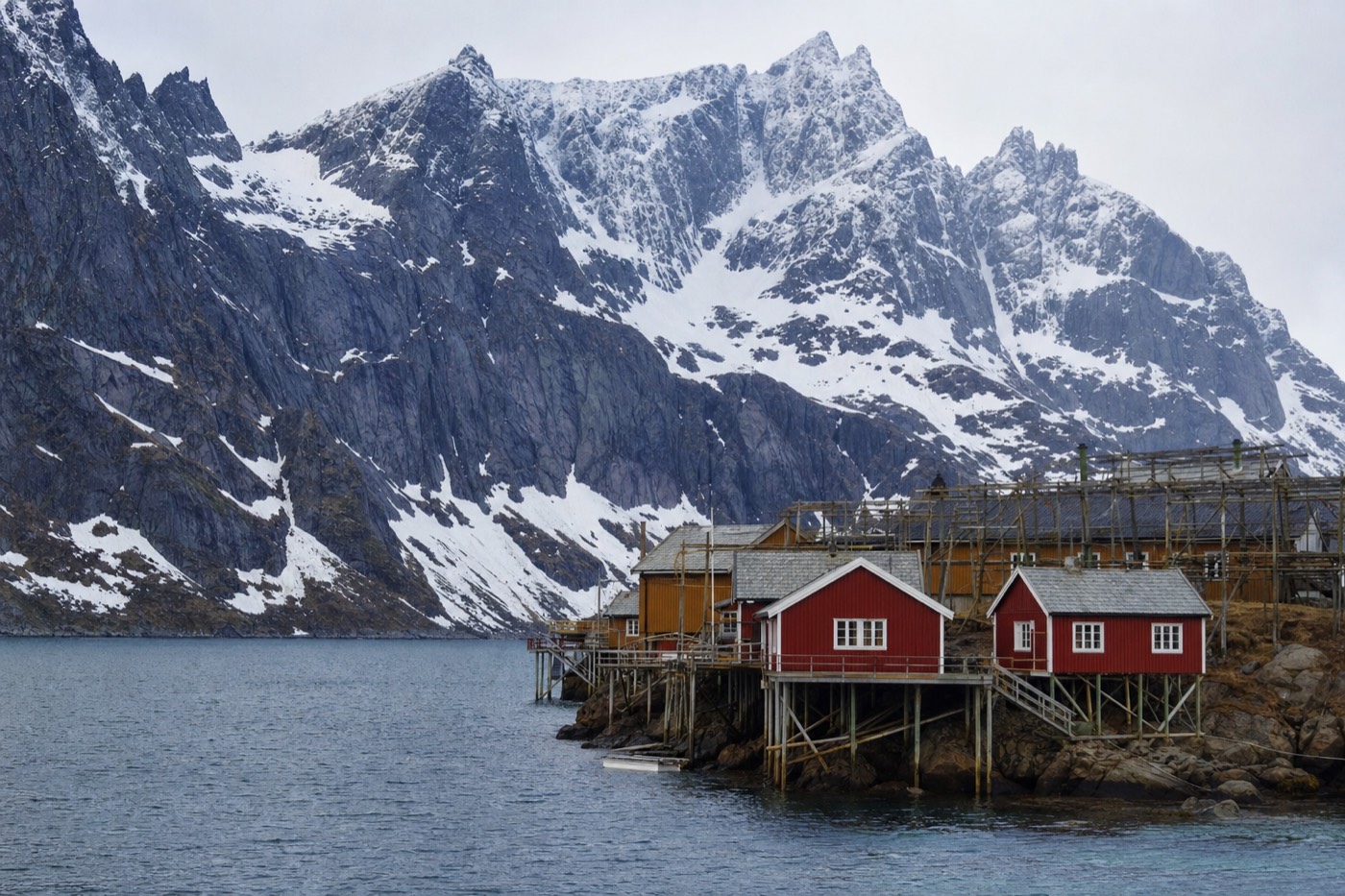
For anything beyond a single base town, yes: the archipelago's real attractions, the Reinebringen hike, the west-coast beaches, the fish-drying racks and villages like Å and Henningsvær, are spread along roughly 160 kilometres of the E10, and there is no train and only a limited local bus network. A guided day tour is the practical alternative if you would rather not drive unfamiliar coastal roads, especially in winter conditions.
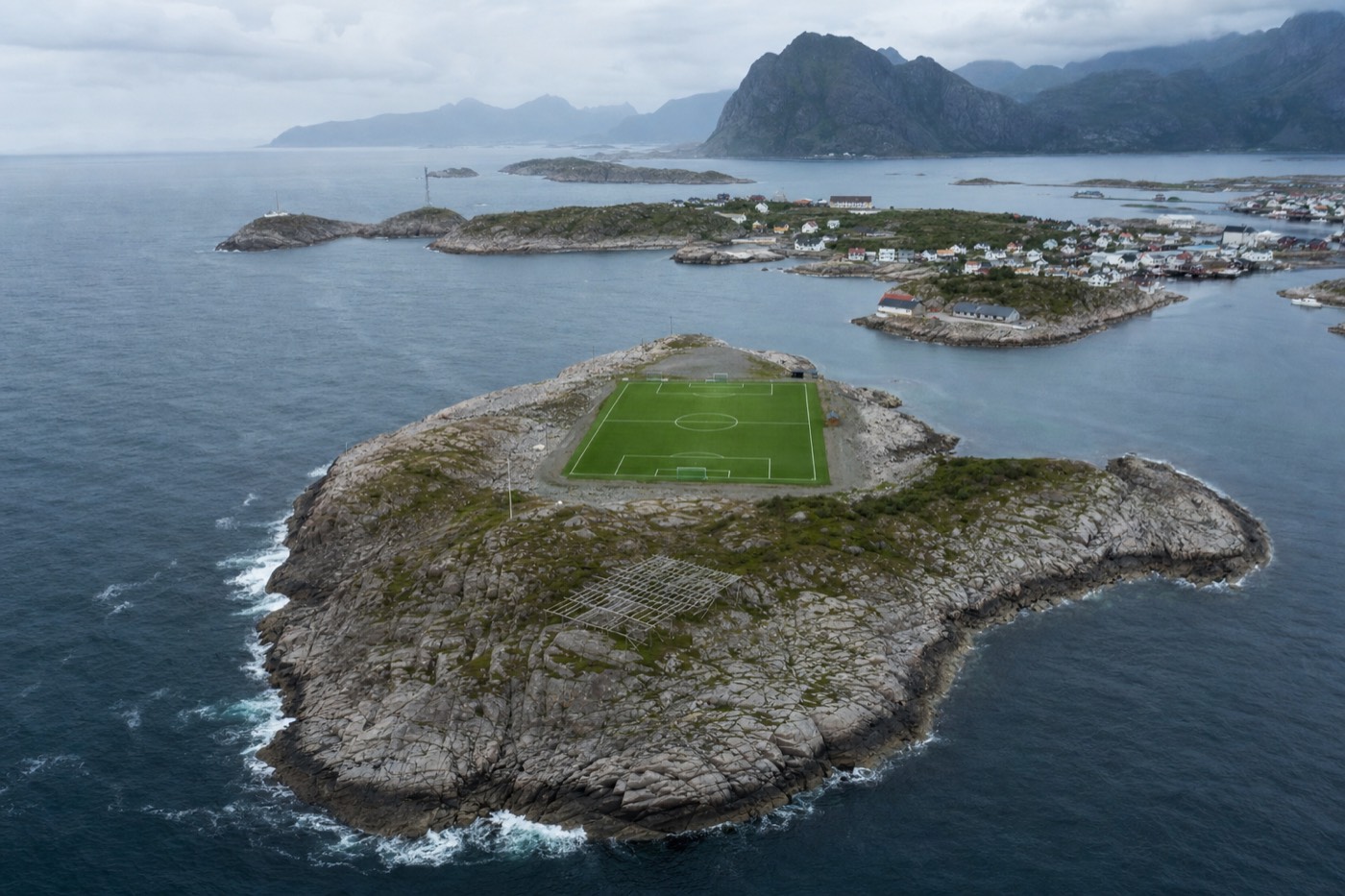
This is exactly the gap the half-day scenic tour from Svolvær is built for: it covers Kabelvåg, Gimsøya and Henningsvær in a single guided loop without you needing to rent anything.
Route comparison: which fits your trip?
| Route | Total time from Oslo | Best for | Trade-off |
|---|---|---|---|
| Fly via Bodø to Leknes or Svolvær | ~3-4 hours | Short trips, limited time | Costs more than the ferry route, and you likely still want a rental car on arrival |
| Fly to Bodø, ferry to Moskenes | ~7-8 hours | Travellers who want the classic sea approach without the full drive | Ferry schedule dependent, book ahead in summer |
| Drive the whole way (E6/E10) | ~18-20 hours, usually split over 2+ days | Road-trippers who see the drive itself as the trip | The single biggest time cost of any route |
| Fly direct seasonal route (where available) | ~2-3 hours, summer only | Summer travellers who can catch the seasonal schedule | Not guaranteed year to year, check before relying on it |
What does each option actually cost?
As a rough order of magnitude: a domestic Widerøe flight through Bodø typically runs more than the ferry crossing, the ferry crossing itself is inexpensive for foot passengers but adds meaningfully with a vehicle, and driving the whole way costs mostly fuel and the value of the extra days spent getting there and back. None of these figures are fixed; check the live fare on Widerøe's or the ferry operator's own booking page before you commit to a route, since both move with season and how far ahead you book.
Which airport should you actually fly into, Leknes or Svolvær?
| Leknes (LKN) | Svolvær (SVJ) | |
|---|---|---|
| Best positioned for | Central and southern Lofoten: Reine, Å, the west-coast beaches | Northern Lofoten and Trollfjord departures |
| Flight frequency | Several daily flights to Bodø | Slightly thinner schedule, still daily |
| Distance to Reine | Shorter, roughly 45 minutes to an hour by road | Longer, over two hours by road |
| Distance to Trollfjord tours | Longer, most Trollfjord departures leave from Svolvær | Shortest, most Trollfjord cruises depart from here |
If your itinerary leans south toward Reine and Reinebringen, Leknes saves real driving time. If it leans toward Svolvær itself, Trollfjord and the sea eagle safaris, flying into Svolvær direct skips a long first drive.
Getting around once you are here
A rental car remains the most flexible way to get around the archipelago; a limited local bus network connects the main towns along the E10 for those without one, and guided day tours from Svolvær cover the highlights without any driving at all. The E10 itself is well maintained but narrow, with sections that slow down in winter weather, so budget more driving time between villages than the map distance implies, especially between November and April.

What if you are travelling from continental Europe rather than the UK?
The routing logic is the same regardless of origin: connect to Oslo, Bergen or another major Norwegian hub, then a domestic Widerøe leg through Bodø to Leknes or Svolvær, with the total journey usually running somewhat shorter from a nearby European hub than from further afield. Direct European connections into Bodø itself exist on some routes, which can shave a full connection off the journey compared to routing everything through Oslo first; check current schedules, since these vary by season and airline.
What should you know before renting a car?
Book ahead rather than planning to walk up: both Leknes and Svolvær are small airports with limited rental fleets, and availability tightens fast in the summer peak and around winter school holidays. A smaller car suits the E10's narrow sections and tight village streets better than anything oversized, and winter tyres are standard equipment on any car rented for the colder months, required by Norwegian law in winter conditions regardless of season on the calendar.
| Consideration | Why it matters |
|---|---|
| Book well ahead | Limited fleet size at both small regional airports |
| Choose a smaller vehicle | Easier on narrow E10 sections and village parking |
| Confirm winter tyres are fitted | Required by law in winter conditions; ask explicitly rather than assuming |
| Check the fuel type and nearest stations | Fuel stations thin out south of Leknes; do not run the tank low |
| Confirm one-way rules if flying into one airport and out of the other | Not all rental companies allow a Leknes pickup with a Svolvær drop-off, or charge extra for it |
Is there public transport if you skip the rental car?
A limited regional bus network runs along the E10 connecting Svolvær, Leknes, Reine and the villages between them, workable for a base-and-explore trip but far less flexible than a car for reaching trailheads, beaches and tour meeting points that sit off the main road. Bus frequency drops sharply outside the summer season, so a winter trip built entirely around public transport needs careful schedule-checking well in advance, and several of the meeting points for tours on this site (Eggum, Gimsøysand, Hov Gård) are not realistically reachable by bus at all.
Common mistakes first-time visitors make getting here
| Mistake | Why it causes problems | Fix |
|---|---|---|
| Booking a tight same-day connection through Bodø | Weather delays on the short domestic hop are not rare at this latitude | Build in a buffer, or an overnight in Bodø on tight itineraries |
| Assuming the ferry runs as frequently in winter as summer | Winter schedules drop to one or two sailings a day | Check the live Visit Lofoten ferry timetable before planning around it |
| Not booking a rental car in advance | Both regional airports have small fleets that sell out in peak season | Reserve as soon as flights are booked, not on arrival |
| Underestimating driving time on the E10 | The road is narrow, scenic and slower than the map distance implies | Add real buffer time between any two stops, especially in winter |
| Flying into the wrong airport for the itinerary | Leknes and Svolvær sit over two hours apart by road | Match the airport to whichever end of the archipelago your trip favours |
What is the actual arrival-day checklist?
Whichever route you choose, the same handful of tasks decide whether the first day runs smoothly: confirm the rental car pickup location and hours in advance, download offline maps before losing signal on the ferry or in a mountain valley, and buy any groceries you need in a larger town, since the smallest villages further south have limited shops.
| Task | Why it matters on arrival day |
|---|---|
| Confirm rental car pickup hours | Small regional airport counters can close outside scheduled flight arrivals |
| Download offline maps | Mobile signal drops in stretches of fjord and on the ferry crossing |
| Stock up on groceries in Svolvær or Leknes | Smaller villages further south have limited or no shops |
| Check fuel before leaving a larger town | Stations thin out on the southern stretch of the E10 |
| Note your accommodation's check-in window | Many rorbuer and guesthouses are unstaffed outside set hours |
Travelling with young children or reduced mobility changes the calculus slightly toward flying over the long drive or the open-water ferry crossing, simply because it is the shortest single leg with the fewest variables; once on the islands, several tour operators, including the scenic half-day sightseeing tour, run in a minibus rather than requiring any walking beyond short stops, which suits travellers who want the highlights without a hike. Building slightly more transfer time into any arrival day is worth it for this group specifically, since the small regional airports and the ferry terminal are not set up for a rushed connection.
None of the three main routes into Lofoten is objectively wrong; each one simply optimises for a different constraint. Flying optimises for time, the ferry optimises for the classic sea arrival with a fixed schedule, and driving optimises for having a car with you for the entire archipelago from the first hour. Matching the route to what actually matters on your specific trip, rather than defaulting to whichever option is fastest on paper, is the real decision to make here.
For a full sense of how much ground is realistically coverable per day and how to sequence a first visit, see the day-by-day itinerary guide, which lays out what fits into three, five and seven days once you have actually arrived.