Lofotr Viking Museum: What to Know Before You Go
The short answer: Lofotr Viking Museum, on the island of Vestvågøy near Bøstad, is built around the actual excavated foundation of a Viking-age chieftain's longhouse, the largest known from that period, reconstructed at full scale on its original site. Here is what a visit actually involves, no ticket link included, because this site does not sell one.
Booking choice: Visit a preserved shop and fisherman’s cabin while learning how cod shaped the islands. Discover Svinøya fishing heritage walk
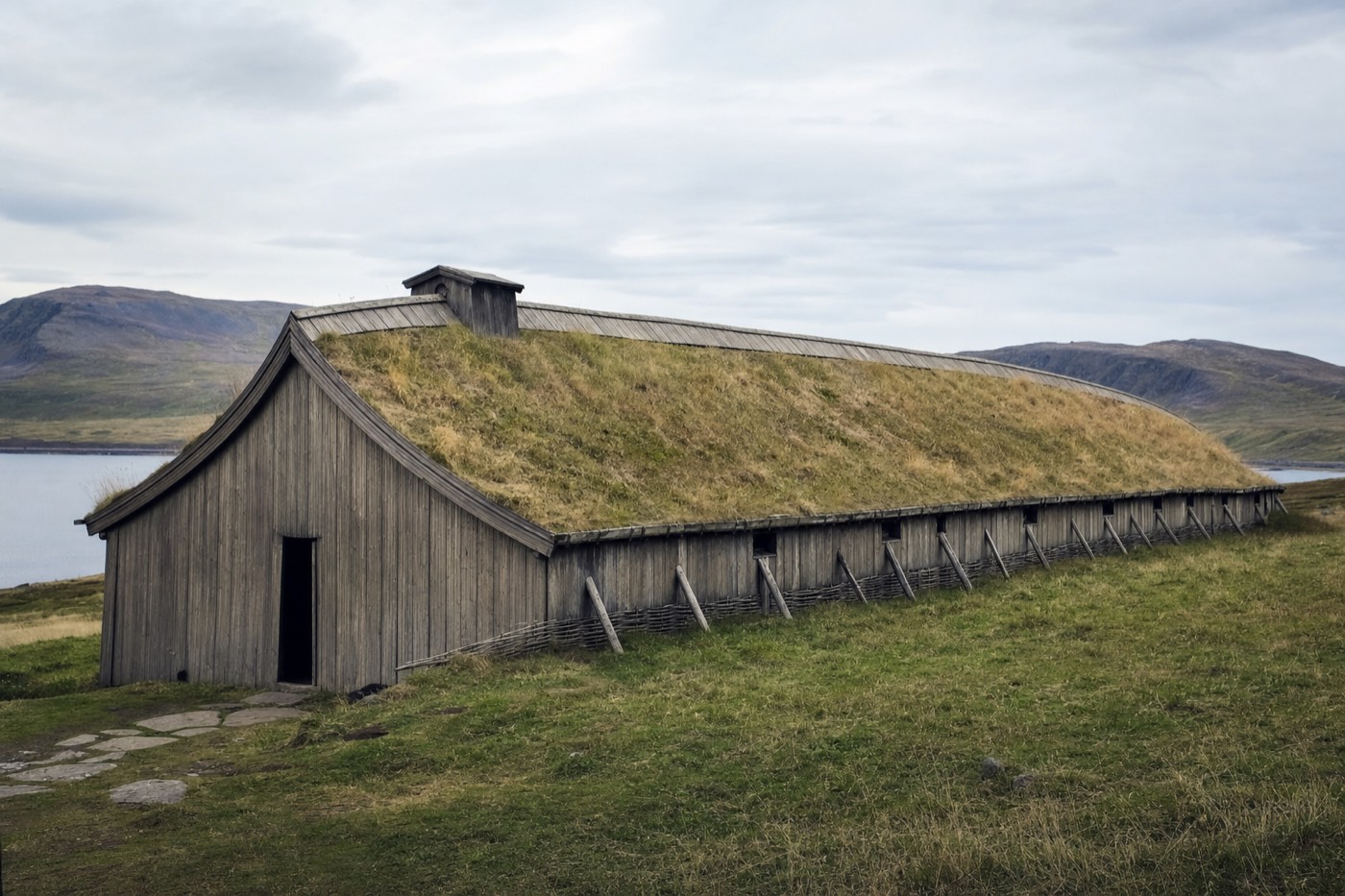
Most Viking museums show you artefacts behind glass. Lofotr shows you the building itself, reconstructed at full scale on the exact ground where archaeologists found it, which is the reason it draws comparisons to nowhere else in Scandinavia rather than to a typical regional history museum.
What is Lofotr Viking Museum, and why is it significant?
Lofotr Viking Museum is built around the excavated foundation of an 83-metre-long, 9.5-metre-wide chieftain's longhouse at Borg on Vestvågøy, dated to roughly 500 to 950 AD, the largest building of its kind known from the Viking era, and the museum reconstructed it at full scale directly on the original site, making it the world's longest reconstructed Viking longhouse. The discovery itself, made during agricultural work in the 1980s, is considered one of the most significant Viking-era archaeological finds in Scandinavia, not a minor regional dig.
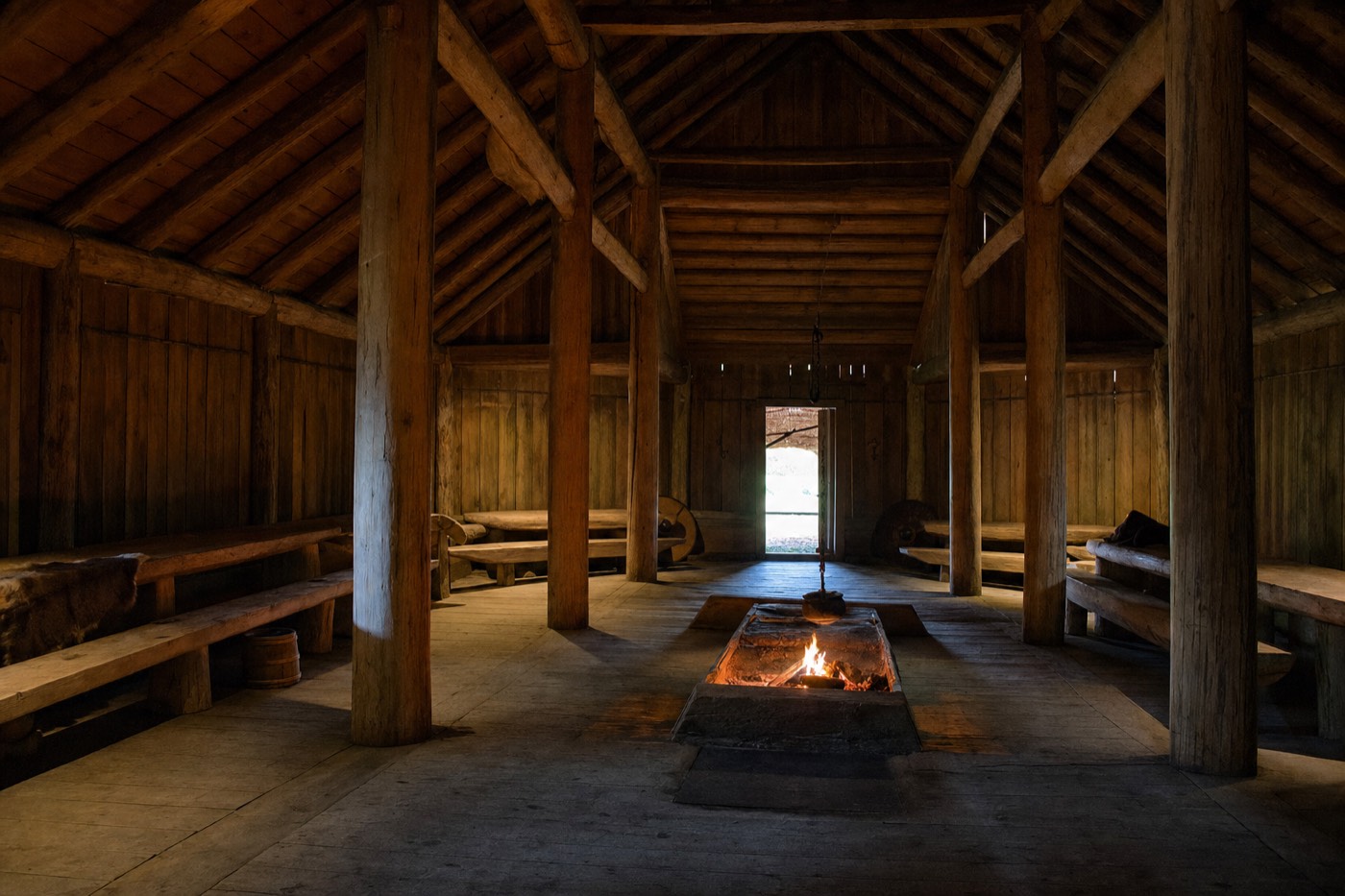
The museum opened in 1995 and is run today under Museum Nord, the regional museum authority. Unlike a recreated "Viking village" built for atmosphere, Lofotr's building sits precisely where a real Iron Age and Viking-era chieftain's estate stood, and the reconstruction follows the actual excavated footprint rather than a generic Viking-hall template.
How was the site actually discovered?
By accident, in autumn 1981: a local farmer, Frik-Harald Bjerkli, was plowing his field at Borg when he noticed his machine was turning up soil from an unusually deep level, darker than the surrounding earth, and an amateur archaeologist who examined the furrows found glass beads and French pottery fragments in the disturbed ground. That accidental find triggered a formal excavation starting in 1983 that ran for roughly six years, ending in 1989, and uncovered the full 83-metre longhouse foundation, dated to a settlement in use from around 500 to 950 AD.
The scale of what came out of a single ploughed field is part of why archaeologists treat Borg as an exceptional site rather than a routine regional dig: glass beads and imported French pottery both point to a chieftain with real trading reach well beyond Lofoten, not a subsistence farmstead. The museum's exhibition building displays material from that excavation alongside the reconstructed hall itself.
Can you actually sail a Viking ship there?
Yes, and it is one of the more distinctive things Lofotr offers beyond the longhouse itself: the museum operates two reconstructed Viking ships, Vargfotr, a Polish-built copy of the Gokstad ship at roughly 65 percent scale, and the larger Lofotr, and runs sailing or rowing trips around the adjacent lake, Storvatnet, included in the price of a standard museum ticket with no separate booking required. If the wind cooperates, the crew raises the sail for a genuine sailing experience; if not, passengers take the oars themselves, a hands-on detail that turns a scenic boat ride into something closer to actually crewing the vessel.
| Detail | What to expect |
|---|---|
| Ships | Vargfotr (a Gokstad-ship copy, built 2000) and the larger Lofotr |
| Trip length | Roughly 20-30 minutes around Lake Storvatnet |
| Cost | Included in the standard museum admission, no extra booking |
| Season | Runs in the main summer season; check the museum's current schedule for exact dates and departure times |
| Location | The boathouse sits in the harbour area, roughly a 15-20 minute walk from the Chieftain's House |
This detail is worth planning around specifically: visitors who only budget time for the longhouse itself often miss the boat trip entirely, and it is genuinely one of the more memorable, hands-on parts of a Lofotr visit rather than a minor add-on.
Is it a good visit for young children?
Generally yes, with the honest caveat that the appeal skews toward the walk-through, hands-on elements rather than reading exhibition text: the farm animals, the boat trip and the scale of the longhouse itself tend to hold younger children's attention better than the more text-heavy parts of the exhibition building. Families travelling with children should weight the visit toward the outdoor and hands-on elements, the animals, the ship, the longhouse walk-through, rather than expecting a young child to engage with the full historical exhibition in depth.
Where is it, exactly?
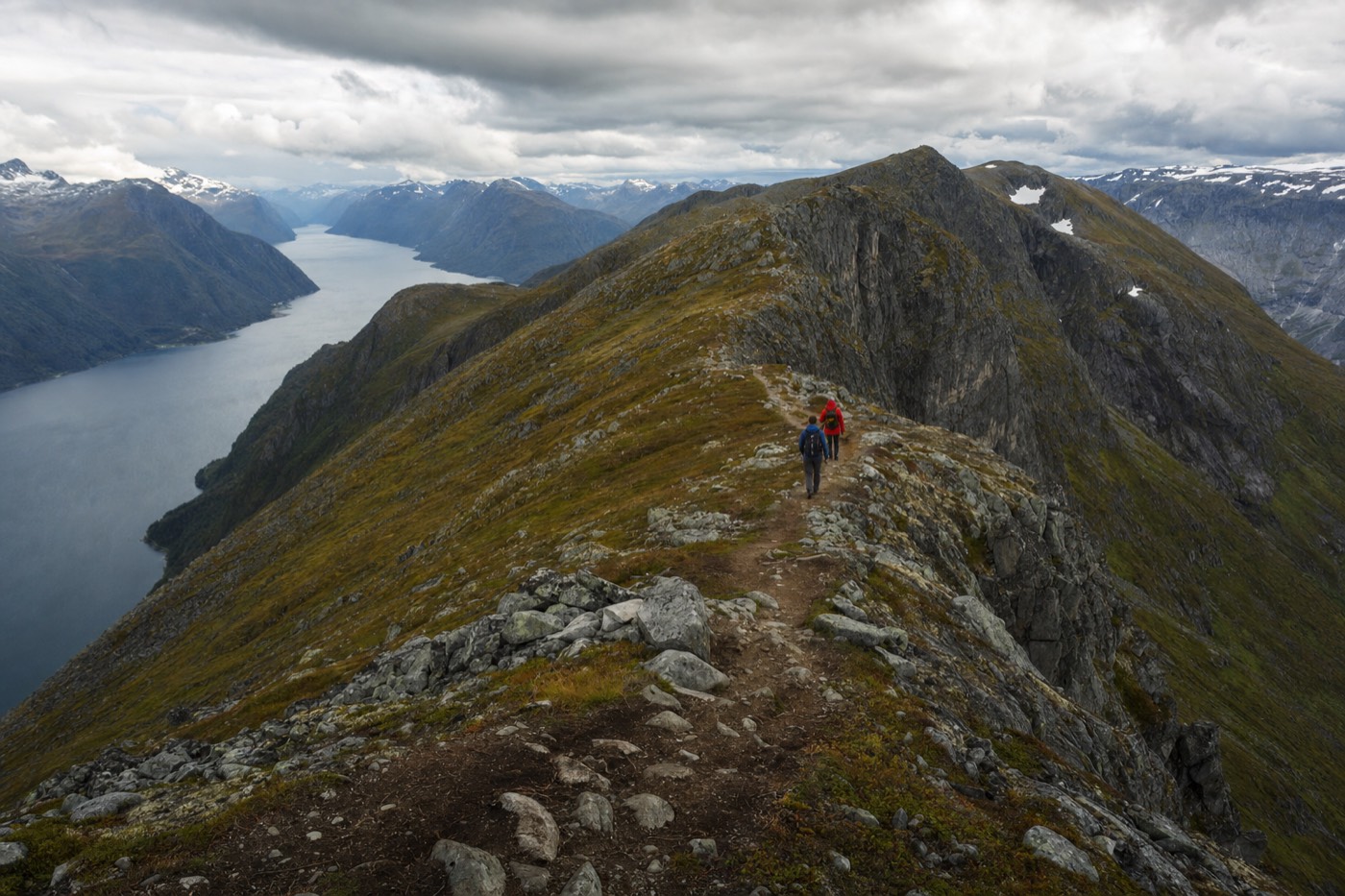
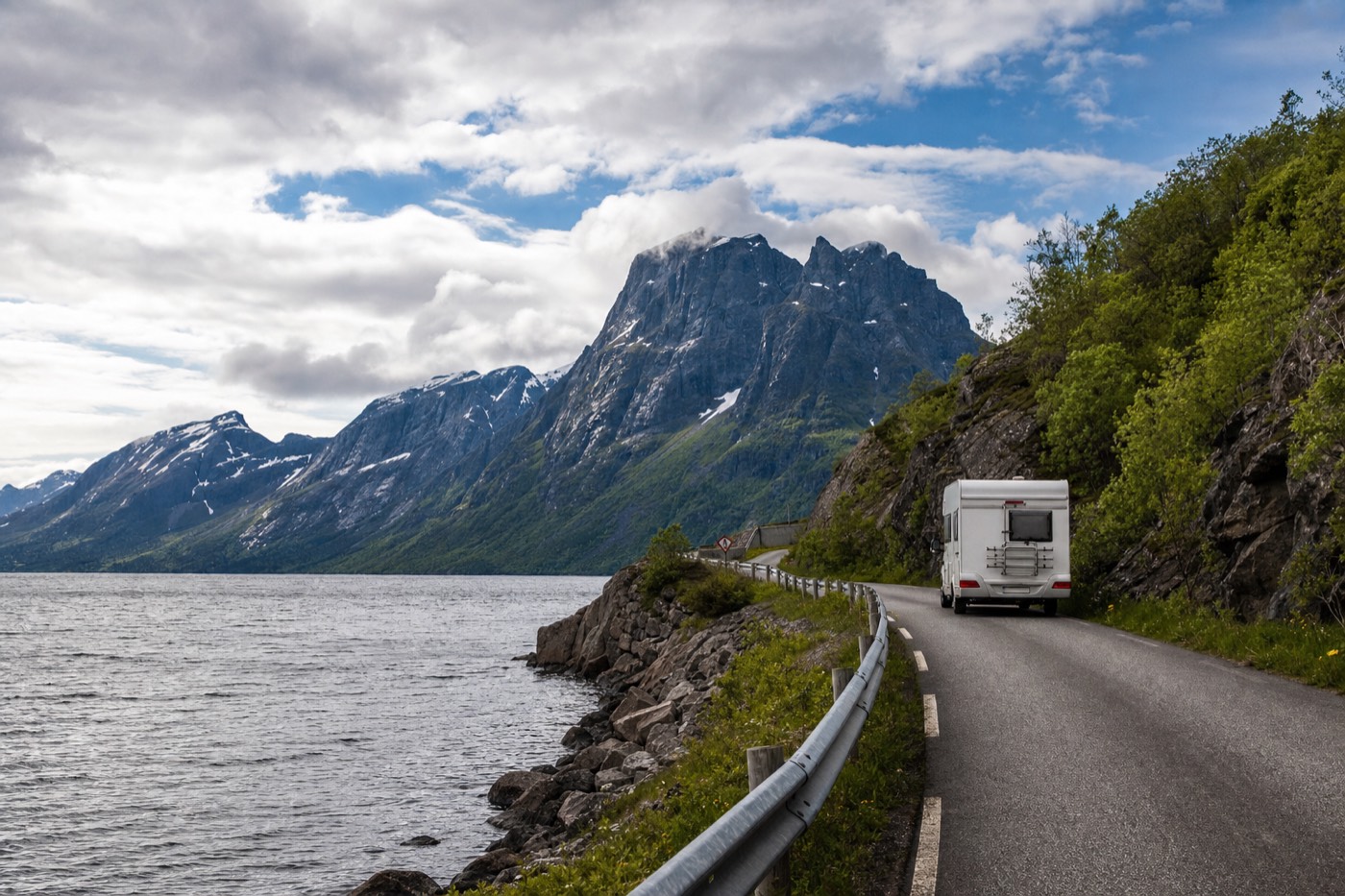
The museum sits at Prestegårdsveien 59, 8360 Bøstad, on Vestvågøy, roughly midway along the Lofoten archipelago, an easy stop on the E10 between Leknes and Svolvær rather than a detour to a remote corner. Leknes Airport is the closest, a short drive away; Svolvær is further, on the order of an hour and a half by road depending on conditions.
| From | Distance | Notes |
|---|---|---|
| Leknes Airport | ~20 km | The closest airport; a short drive on the E10 |
| Svolvær | ~90 km | Around 1.5 hours by road |
| Reine | ~55 km | Around 50 minutes to an hour by road |
When is it actually open?
The museum runs daily through the main season, roughly May to September, with peak-season hours extending to a full day (10am to 7pm in high summer per the museum's own schedule); outside that window it operates on a more limited, group-booking basis rather than staying open to casual daily walk-ins. Hours and exact season dates shift year to year, so checking the museum's own current schedule before building a visit around it is worth doing rather than relying on last year's hours.
| Period | Typical access |
|---|---|
| May to September (main season) | Open daily, extended hours in peak summer |
| October to April | Open for pre-booked groups rather than daily casual visits |
What do you actually see once you're there?
The centrepiece is the reconstructed longhouse itself, a genuinely enormous timber-and-turf building you walk through rather than view from outside, with a central hall, hearth areas and reconstructed Viking-era furnishings; the wider site includes farm animals, seasonal craft demonstrations and, depending on the season, costumed interpreters. The scale is the thing photographs undersell: at 83 metres long, walking the full length of the hall takes real time, not a quick glance.
| What's on site | What it involves |
|---|---|
| The reconstructed longhouse | Full-scale walk-through, built on the original excavated foundation |
| Farm animals | Breeds selected to resemble Viking-era livestock, kept on the grounds |
| Seasonal craft and combat demonstrations | Runs mainly in the peak summer season, varies year to year |
| The visitor centre and exhibition building | Artefacts and context from the original excavation |
Is it actually worth the detour if you're not a history enthusiast?
For most visitors, yes: the scale of the building alone is a genuine visual experience independent of any prior interest in Viking history, and the site's position directly on the E10 between Leknes and Svolvær means it rarely requires a real detour, just a planned stop on a drive you were likely making anyway. Visitors who specifically dislike museums but enjoy a striking, walkable structure tend to still find it worthwhile; the honest exception is anyone on an extremely tight single-day itinerary already packed with hiking or boat departures, where an hour or two here may simply not fit.
How does Lofotr compare to other Viking sites in Norway?
Where sites like the Viking Ship Museum in Oslo (currently closed for a major rebuild through the mid-2020s) or smaller regional exhibits show artefacts in a conventional museum building, Lofotr's defining difference is that the "exhibit" is a full-scale reconstructed building standing on its actual original foundation, which is a genuinely different kind of visit, closer to walking through a real structure than viewing objects in cases.
| Site type | What you experience | Where Lofotr differs |
|---|---|---|
| Conventional artefact museum | Objects in cases, exhibition panels | Lofotr has an exhibition building too, but the longhouse itself is the main draw |
| Recreated "Viking village" (generic, not site-specific) | Themed buildings built for atmosphere, not tied to a specific excavation | Lofotr's building follows the real excavated footprint on the real original site |
| Lofotr | A full-scale reconstruction of the largest known Viking-era longhouse, on its original foundation | — |
What does the exhibition building show, beyond the longhouse itself?
A separate exhibition space houses material directly connected to the 1980s excavation, artefacts, interpretive material on the chieftain's estate and its trading connections, and context on how archaeologists reconstructed the building's exact form from what remained of its post-holes and foundation. This is the part of the visit that rewards visitors who want the evidence behind the reconstruction, not just the reconstruction itself: seeing what a 500-to-950 AD site actually leaves behind, and how a team turns that into an 83-metre building, is a genuinely different kind of interest than simply walking through the finished hall.
How does a Lofotr visit fit into a wider day on Vestvågøy?
Comfortably: because the museum sits roughly midway along the E10 near Leknes, it slots naturally into a day that also includes the west-coast beaches or a stop in Leknes itself, rather than requiring its own dedicated day trip. Visitors travelling the length of Lofoten in one direction, from Svolvær toward Reine or the reverse, can treat Lofotr as a scheduled midpoint stop, breaking up a longer drive with a genuinely different kind of experience than the coastal scenery on either side of it.
What should you actually plan for a visit?
| Consideration | Why it matters |
|---|---|
| Budget at least 1.5 to 2 hours | The longhouse alone takes real time to walk and take in; the wider grounds add more |
| Check the current season's hours before travelling | Off-season access is more limited than the summer daily schedule |
| Dress for an outdoor site | Much of the grounds and the walk between buildings is outdoors regardless of weather |
| Combine it with the wider Vestvågøy area | The museum sits roughly midway along the E10, a natural stop on a longer archipelago drive |
| Budget extra time in the main season for the ship trip | The 20-30 minute Viking ship sailing is easy to miss if the visit is planned too tightly |
What is the connection between the Viking-era estate and Lofoten's fishing history?
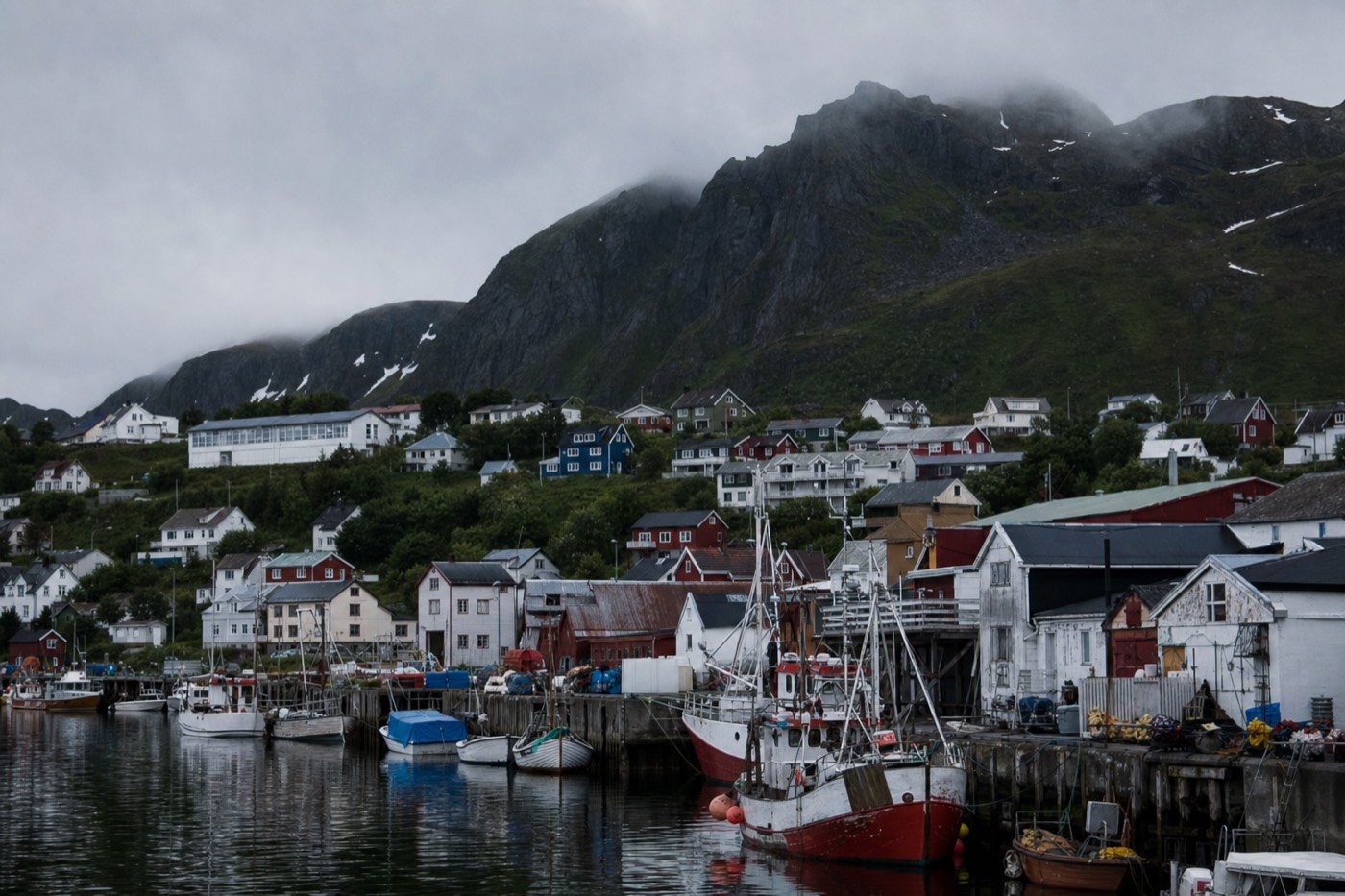
The same coastal geography that made Lofoten a valuable Viking-era chieftain's seat, sheltered waters, rich fishing grounds and a position astride Norway's coastal sailing routes, is the reason the archipelago later became the centre of Norway's centuries-long stockfish trade; the chieftain excavated at Borg would almost certainly have controlled and profited from the same seasonal cod runs that still bring boats out today. Visitors who want the living, working version of that same coastal fishing tradition, rather than its Viking-era archaeological ancestor, find it on the water rather than in a museum.
What do most first-time visitors get wrong about a Lofotr visit?
| Mistake | Fix |
|---|---|
| Assuming it's a quick 20-minute stop | Budget closer to two hours for the full site, longer in peak summer with demonstrations running |
| Turning up in winter expecting normal daily hours | Confirm current off-season access; it runs on a more limited, often group-booking basis |
| Treating it as only for children or only for history buffs | The scale of the reconstruction reads as a genuine architectural and visual experience on its own |
| Skipping it because it seems out of the way | It sits directly on the E10 corridor most Lofoten itineraries already drive |
How does a visit here change with the seasons?
Summer is when the site runs at full capacity: daily opening, the Viking ship sailing on the lake, and the fuller programme of craft and, at times, combat demonstrations that give the grounds a genuinely lived-in feel beyond the static longhouse itself. Visiting in the shoulder or off-season, where access is possible at all, trades that fuller programme for a quieter, more contemplative walk through the longhouse without the summer's visitor volume, a real and valid trade-off rather than simply a lesser version of the same visit.
| Season | What's running | Character |
|---|---|---|
| Peak summer | Daily access, extended hours, Viking ship sailing, fuller demonstration programme | Busiest, most complete experience |
| Shoulder season (May, Sept) | Daily access per the main-season schedule, programme may be lighter | Fewer visitors, still full access to the longhouse |
| Winter (Oct-Apr) | Group-booking basis, not daily casual access | Requires advance planning; not a walk-up option |
This site does not sell tickets to Lofotr, and nothing here should be read as a booking link for the museum; check current admission, hours and any seasonal event schedule directly on the museum's own page before travelling.
How does Lofotr compare to visiting a working fishing village instead?
They tell two different chapters of the same coast: Lofotr shows the Viking-era chieftain's world that predates the organised commercial fishery by centuries, while a village like Henningsvær or Reine shows the living, present-day continuation of the fishing economy that grew up afterward, and visiting both gives a genuinely fuller picture of the region's history than either alone. Neither replaces the other; a Lofotr visit answers "who controlled this coast a thousand years ago," while a working harbour answers "what does the same coast's economy look like today." A traveller with time for only one should let personal interest decide: archaeology and reconstruction versus a real, still-operating fishing village. Both, in their own way, answer the same underlying question a Lofoten trip keeps circling back to: why did people choose to build a life on this particular, difficult, beautiful stretch of Arctic coastline, and what has kept them here for so long. A single day trip that pairs a morning at Lofotr with an afternoon in a working harbour village covers roughly nine centuries of continuous local history in one loop, which is a genuinely efficient way to understand the region beyond its scenery. Few stops on a Lofoten itinerary offer that much historical depth for so little added driving time, and fewer still let you walk through a reconstructed hall, row a Viking ship and watch working boats unload cod all in the space of a single day.
If you are also drawn to Lofoten's coastal heritage more broadly, the living version of that same fishing tradition, hand-line cod fishing aboard a working boat out of Svolvær, is a real, currently bookable experience through this site's traditional fishing tours, a genuinely different but related way to connect with the same coastline the Viking-era chieftain at Borg once controlled.